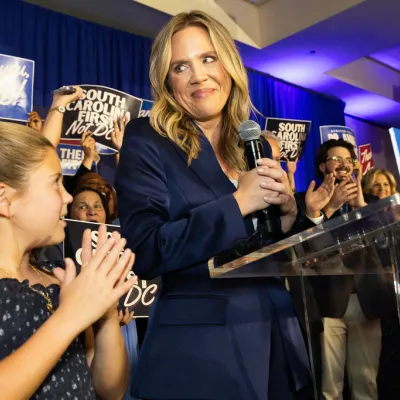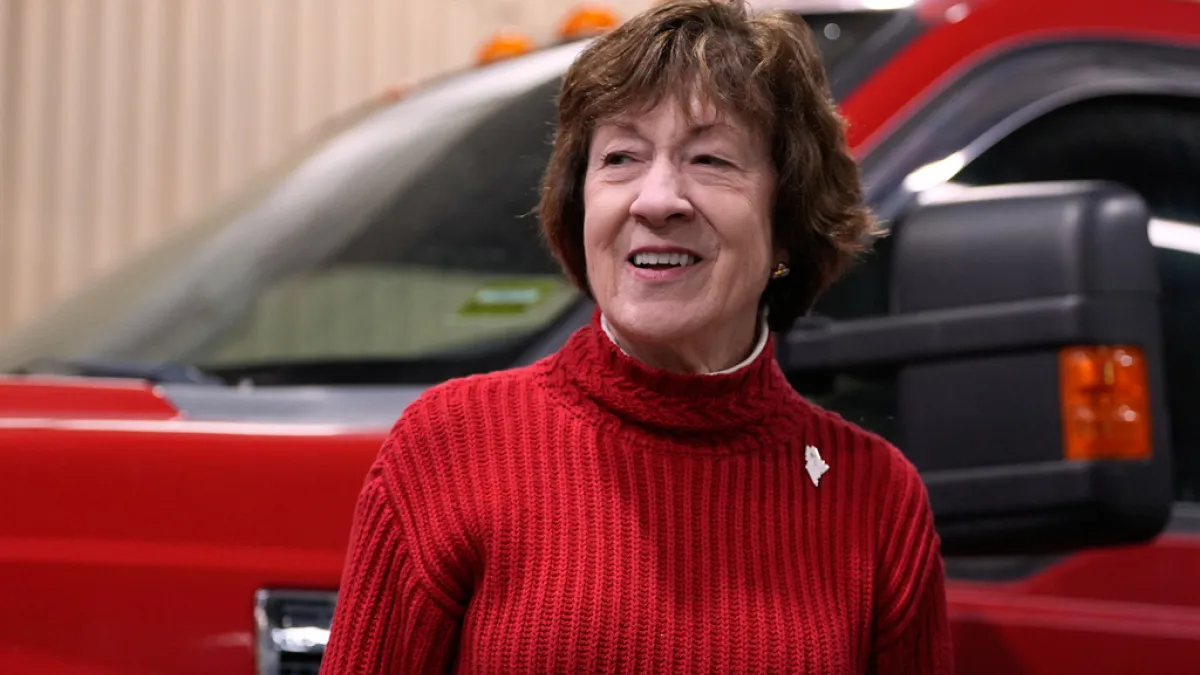
Republican Sen. Susan Collins of Maine, one of the last moderates in her party, conceded defeat to Democrat Troy Jackson on November 4, 2026, ending a Senate career of nearly 30 years and adding to the Democrats' new majority in the chamber.
Collins, 73, called Jackson early on November 4, the morning after the 2026 U.S. midterm elections, before The Associated Press had called the race. "It has been the honor of my life to serve the people of Maine in the United States Senate," she said in a statement. Jackson was ahead by more than five percentage points with about two-thirds of precincts reporting, according to Maine Public.
Maine's Lone Republican Senator Loses A Blue-Leaning State
Collins was first elected in 1996 and took office the following year. For three decades she held a seat in a state that has backed the Democratic candidate in every presidential election since 1992, and she was Maine's only Republican in the U.S. Senate. Hers was also the only Republican-held Senate seat on the 2026 ballot in a state that Kamala Harris carried in 2024.
The loss adds to a broader Democratic sweep. Democrats had already flipped Senate seats in states including Texas and South Carolina to take control of the chamber, and they also won the House of Representatives. That means Democrats will hold both chambers of Congress for the final two years of President Donald Trump's term.

Maine uses ranked-choice voting, so if neither candidate ends up with a majority of first-choice votes, the final tally could take days. Collins chose not to wait.
A Replacement Candidate Who Ran As A Working-Class Fighter
Jackson was not the Democrats' first choice. Graham Platner won the party's June primary but withdrew in July after a string of controversies, including an allegation of sexual assault that he denied. Maine Democrats then held a special convention and nominated Jackson, putting him in the race with only a few months to go.
Jackson, 58, is a former president of the Maine Senate and a fifth-generation logger from rural far northern Maine. He led Sen. Bernie Sanders' presidential campaign in the state and had earlier run for governor this year. He campaigned as a working-class candidate, highlighting his years in the woods and backing progressive positions, including abolishing U.S. Immigration and Customs Enforcement (ICE).
The two clashed repeatedly in televised debates. At one point Jackson told Collins to "shut up," a moment that drew national attention and criticism from her campaign. He argued that she had failed to stand up to Trump, at one point calling her "like an arsonist who helps set the fire."

Speaking to supporters at an election night party in Portland, Jackson pledged to fight in Washington "for every family doing everything they can and wondering when somebody is going to do something for them."
Collins' Swing Votes Became Her Opponent's Ammunition
As a Republican representing a Democratic-leaning state, Collins spent years balancing support for her party's agenda against opposition to parts of Trump's. She was one of the Senate's most closely watched swing votes, and on contested bills her position could decide the outcome.
After the January 6, 2021, attack on the U.S. Capitol, she voted to convict Trump at his second impeachment trial. She voted against final passage of the One Big Beautiful Bill, Trump's signature tax and spending package, which still became law, and she earlier helped block repeal of the Affordable Care Act, the health law widely known as Obamacare. During the campaign she described herself as "not exactly his favorite senator."
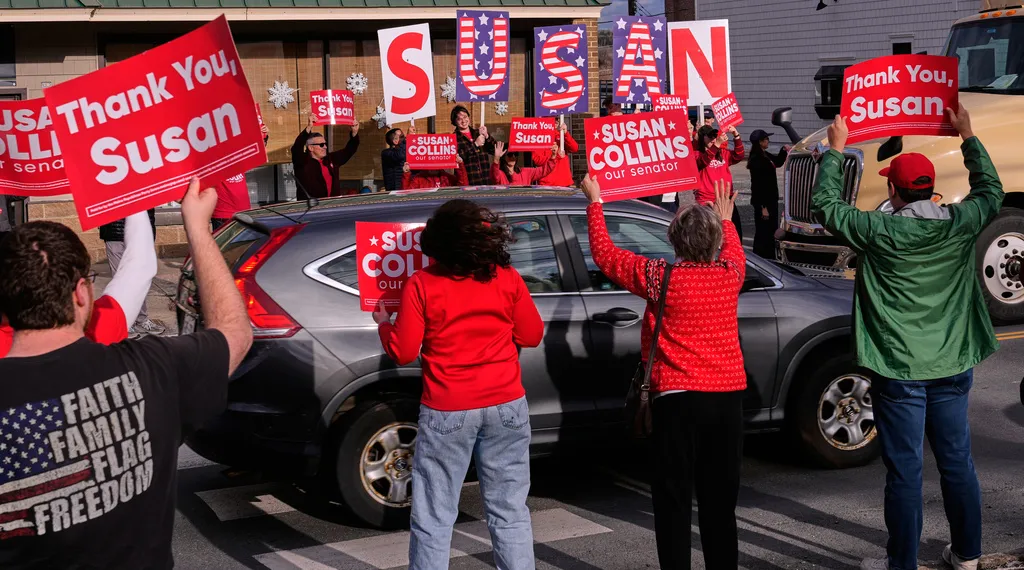
But she also backed Trump on several major nominations, voting to confirm Brett Kavanaugh to the Supreme Court and Robert F. Kennedy Jr., whose views on vaccines have drawn wide criticism, as health secretary. Jackson seized on those votes, arguing that she had not used her leverage as a swing vote to restrain Trump and tying her to his administration's record. "Would you trust her to pick the next Supreme Court justice?" he asked.
Collins countered that as chair of the Senate Appropriations Committee, which writes the bills that allocate federal money, she was in a position to deliver real benefits for Maine and its residents. "I realized I had a once-in-a-century opportunity to help the state of Maine," she said of the post.
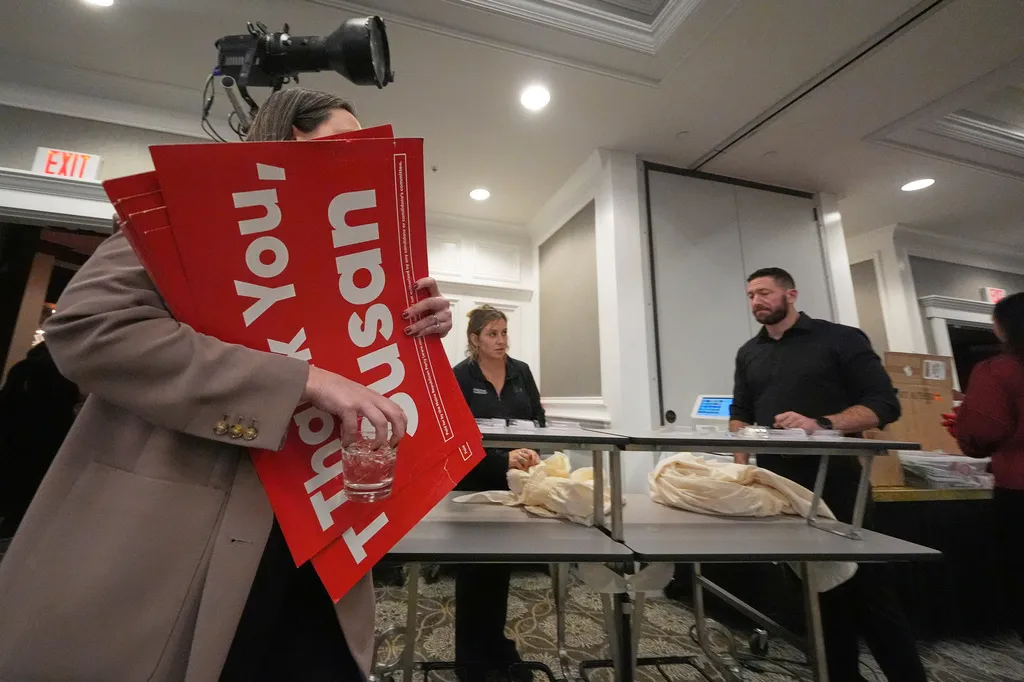
With Collins gone, Senate Republicans lose one of the few members still willing to break with Trump on high-profile votes, and Democrats gain another seat as they prepare to challenge the president from both chambers of Congress. (Related: Blue Tsunami Sweeps Congress as Voters Turn on Trump Over Inflation | Latest )