Taiwan has accused China of breaking diplomatic protocol after Beijing, which is hosting this year's Asia-Pacific Economic Cooperation (APEC) leaders' summit, sent Taipei its invitation by email rather than having a special envoy deliver it in person.
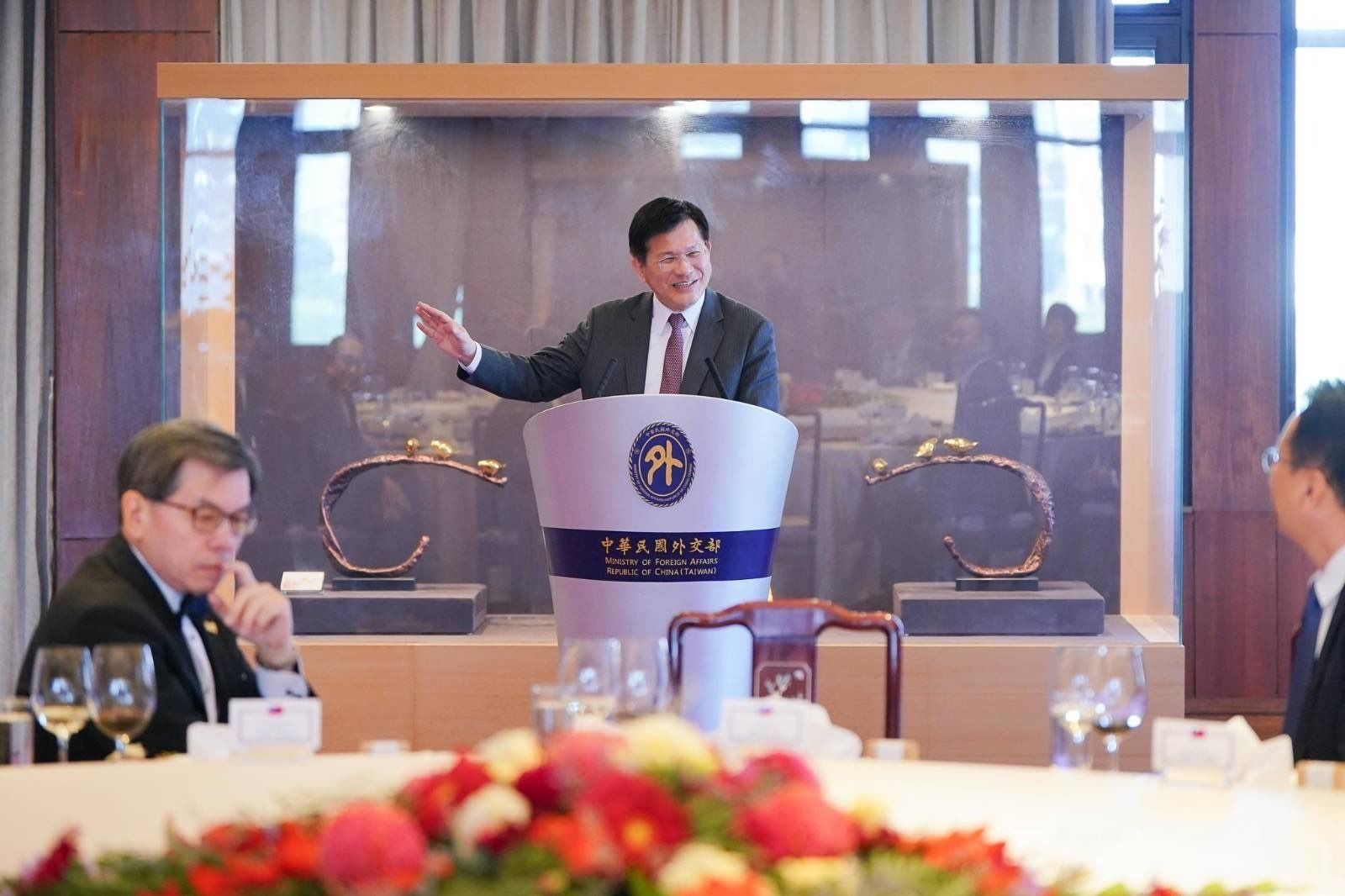
Foreign Minister Lin Chia-lung said on November 2 that Taiwan would not give up its right to attend the summit, which takes place in the southern Chinese city of Shenzhen on November 18 and 19, despite what it sees as discriminatory treatment, Taiwan News reported. Taiwan is a full member of APEC and should be treated as an equal of the other participating economies, he said.
"Whenever they breach the established rules or diplomatic conventions, we will certainly lodge a protest at the earliest opportunity," Lin told reporters, according to Reuters, as reported by The Edge Malaysia.
How The Invitation Broke With Tradition
Taiwan's Ministry of Foreign Affairs received an informal invitation by email rather than an official letter handed over by a special envoy, as was customary at previous summits. The email referred to Taiwan by its official APEC name, "Chinese Taipei," Taiwan News reported.
According to an unnamed Taiwanese official cited by Reuters, the invitation was addressed only to "the representative of Chinese Taipei's economic leader" and did not carry the signature of Chinese leader Xi Jinping. The last time China hosted APEC, in Beijing in 2014, Xi signed the invitation sent to then President Ma Ying-jeou. Chinese officials were not immediately available for comment.
"It is China's problem if it does not follow the rules. We will keep defending our right to participate," Lin said, according to Taiwan's Public Television Service.
Why Taipei Says Beijing Must Follow APEC Rules
Lin said that when China bid to host the 2026 summit, it pledged to follow APEC rules and established practice, including guaranteeing the safety and equal treatment of representatives from all member economies.
He said Taiwan had already faced different treatment at several APEC related meetings this year. The foreign ministry protested each time and has kept in contact with other member economies to secure support for Taiwan's participation, according to Taiwan's Central News Agency.
APEC makes decisions by consensus, with all 21 member economies having an equal voice. If China continues to treat Taiwan differently, Lin said, Taipei will make its position known when it considers Chinese proposals and initiatives.
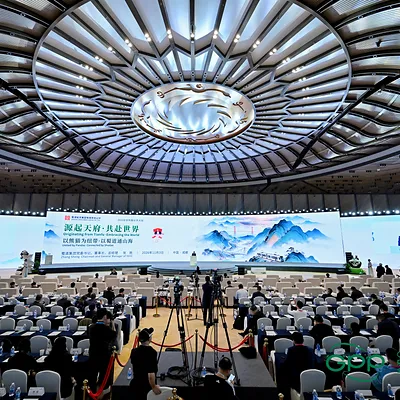
The Shenzhen summit will be held under the theme "Building an Asia-Pacific Community to Prosper Together." It is the third time China has hosted APEC, after Shanghai in 2001 and Beijing in 2014.
Who Will Represent Taiwan?
Because of Beijing's objections, Taiwan's president does not attend APEC leaders' meetings and instead sends an envoy. Under former President Tsai Ing-wen, those envoys included People First Party Chairman James Soong and TSMC founder Morris Chang. Under President Lai Ching-te, the role has gone to Presidential Office senior adviser Lin Hsin-i.
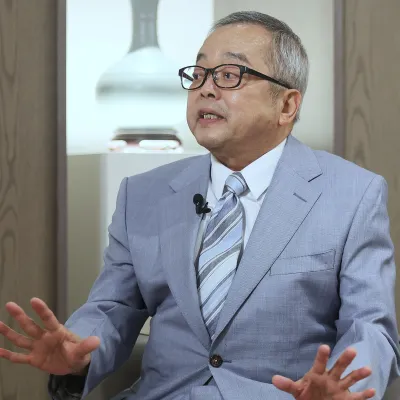
The government has not yet named this year's envoy. Lin said an announcement would come once the Presidential Office completes its process, adding that the envoy should represent Taiwan's strengths in semiconductors and artificial intelligence, according to PTS. Local media have speculated about candidates including Acer founder Stan Shih and TSMC Chairman C.C. Wei.
There is precedent for a breakdown. When China last hosted in Shanghai in 2001, it sent its notice to Taiwan by fax and rejected Taipei's chosen envoy, Lee Yuan-tsu, prompting Taiwan to skip the leaders' meeting, PTS reported.
How Taiwan's Parties Reacted
The issue has also stirred debate at home. Opposition Kuomintang legislator Lai Shyh-bao said the foreign ministry should protest and push back, but asked: "What do we tell the people if it fails?" Ruling Democratic Progressive Party caucus whip Chuang Jui-hsiung said China, as host, should simply run the event well and treat all members equally.
The row adds to strains around the Shenzhen summit, which some US business leaders have already said they will skip.