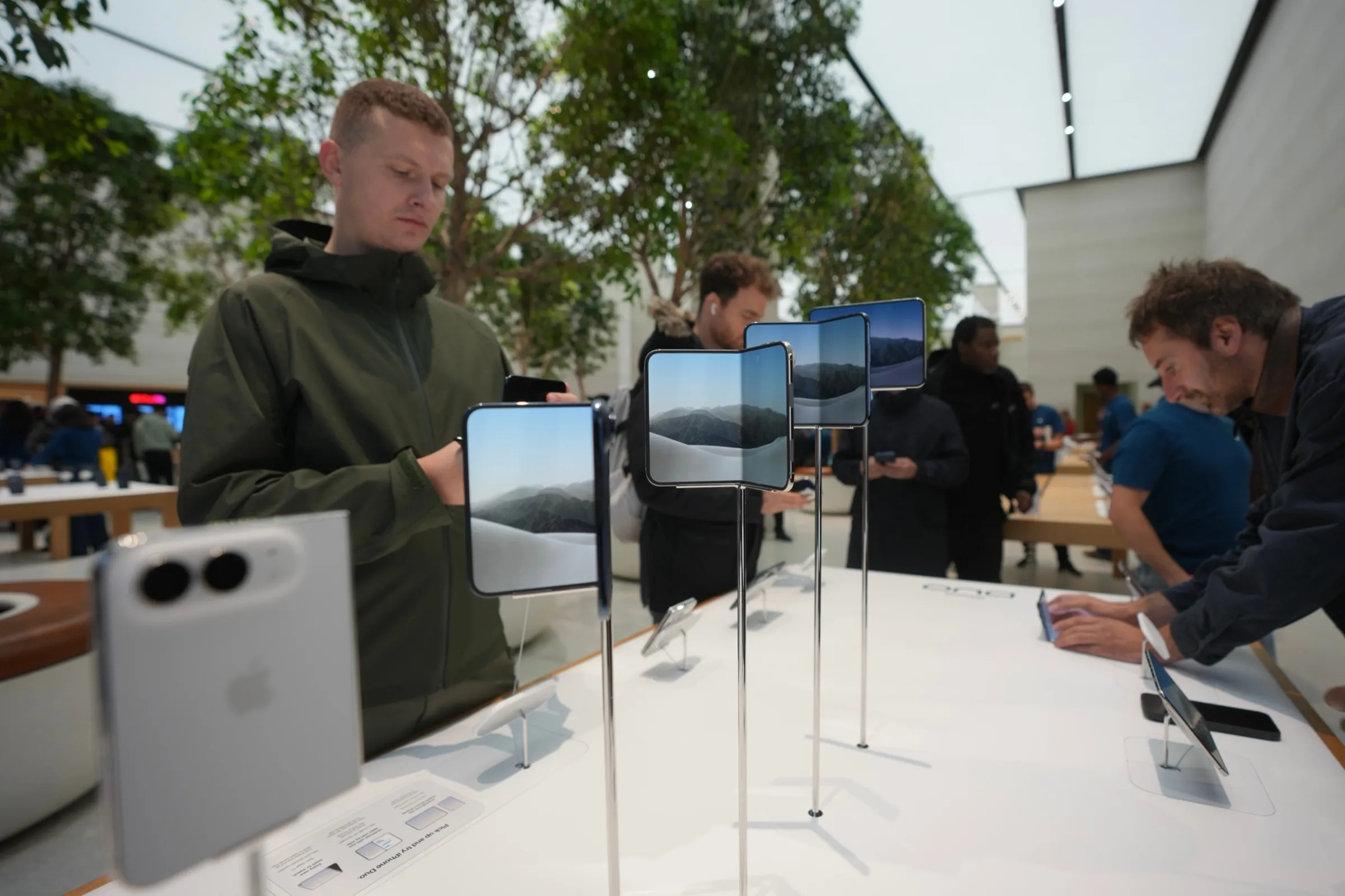
Taiwan received only a little more than 10,000 units in its first shipment of Apple's iPhone Duo, retail sources say, far short of demand for the company's first foldable iPhone. Orders are running several times ahead of supply, and buyers who reserve one online now face delivery dates in January 2027.
The phone went on sale on October 23. According to people in Taiwan's retail channel, the initial allocation across the island's three biggest carriers, Chunghwa Telecom, Taiwan Mobile, and Far EasTone, plus every authorized reseller, came to just over 10,000 handsets. Sources point to a mix of causes behind the shortage: difficult hinge assembly, tight memory supply, and a cautious approach to inventory.
Taiwan Mobile Says Orders Far Outstrip Deliveries
"It's selling quite well, better than we expected," Taiwan Mobile President Jamie Lin told reporters recently. He said the carrier was "very, very short" of stock, with orders several times larger than the number of phones it had received. Apart from scattered units in a few less popular configurations, "basically, they're sold out," he said.
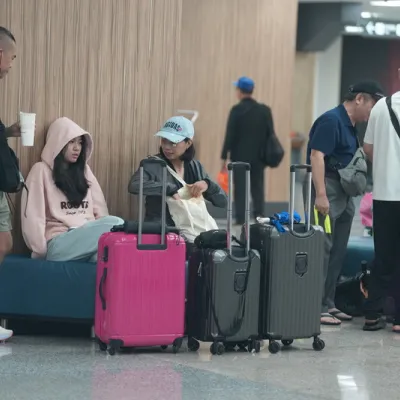
The squeeze is being felt at the store counter. One telecom industry source, speaking privately, said staff had come to dread phone inquiries, because almost every caller wants to get hold of a Duo and the first shipment is too small to meet those requests.

Some retailers received fewer than 200 phones, according to channel sources, and many have switched to reservation-only pickup with no walk-in sales. Some have told customers not to queue at stores, as they would only be waiting in vain. Those arrangements reflect how individual retailers are allocating and delivering stock, however, and do not mean that every store is out of every model, capacity, and color.
Far EasTone said a typhoon forced some of its stores to close on launch day, so a number of buyers did not pick up their phones until the stores reopened. At its outlets, the 256GB version has been the most popular, Starlight White is the top color, and nearly 90% of customers signed up for monthly plans priced at NT$1,399 or NT$1,599.
The carriers' figures point to a clear gap between early demand and supply. But with such a small initial allocation, orders running several times above deliveries cannot be converted into nationwide sales figures, nor does the shortage on its own reveal how large the overall market for the phone will be.
Hinge Yields And Memory Shortages Limit Output
People familiar with the supply chain say the main constraint is the hinge. Its structure is complex and difficult to assemble, and yields have not improved quickly, limiting how many finished phones pass inspection. Even if Apple wants more units, adding workers or assembly lines will not immediately produce a matching increase in shipments.
A Goldman Sachs research report dated October 19 noted that the Duo's hinge contains more than 100 tiny precision parts, a sign of how complicated the folding mechanism is. The report did not, however, link hinge yields to the current shortage. That explanation comes from supply chain sources.
For a first-generation foldable, whether key components can be reliably assembled into finished, working phones directly determines how many can be shipped. While yields at a particular step still need work, putting more resources into production will not necessarily shorten the wait.
Sources also said memory chips are in short supply, which is weighing on Duo output. That means the bottleneck is not limited to mechanical assembly: even as hinge production improves, shipments of finished phones could still be held back if other components do not arrive in step.
Retailers Suspect Apple Is Also Keeping Supply Tight
Some Taiwanese retailers offer another reading. With supply already constrained, they suspect Apple may be content to keep the phone scarce, generating a "hunger marketing" effect, a term used in Asia for deliberately limiting supply to build buzz, while also keeping inventory of finished phones low. That is the retailers' own speculation, not a strategy Apple has described.
In that view, rising memory prices and uncertainty over both production and demand for a first-generation foldable have made stocking decisions more cautious. If most phones that arrive are already spoken for by orders, retailers face less risk of being stuck with unsold stock, and the attention generated by scarcity can coexist with lean inventories.
But memory chips held in inventory, phones still in assembly, and finished handsets sit at different stages of the supply chain. Higher memory prices do not necessarily lead companies to buy less; some may stock up early, while others adjust purchases based on cash flow and demand. How rising costs are shaping inventory decisions at Apple and its manufacturers cannot be inferred simply from the shortage of phones in stores.
What is clear is that retailers cannot keep up with demand and that, according to sources, hinge assembly and memory supply are limiting production. How much of the shortage is deliberate cannot be determined from the information available. "Hunger marketing" may be a fair description of how the trade sees it, but it is no substitute for analyzing the actual production bottlenecks.
Price And Screen Concerns Give Some Buyers Pause
The shortage does not mean every shopper who asks about the Duo has decided to buy one. One retailer said inquiries remain heavy, but the price, along with recent reports of cracked screens, has made some customers hesitate. The retailer has not yet seen any cancellations, and demand still exceeds supply.
That points to the other side of Apple's first foldable: the new form factor is drawing interest, but price, durability concerns, and long waits are all shaping buying decisions. Whether the screen reports reflect individual cases or a broader product problem still needs to be verified, and they do not by themselves establish a widespread defect.
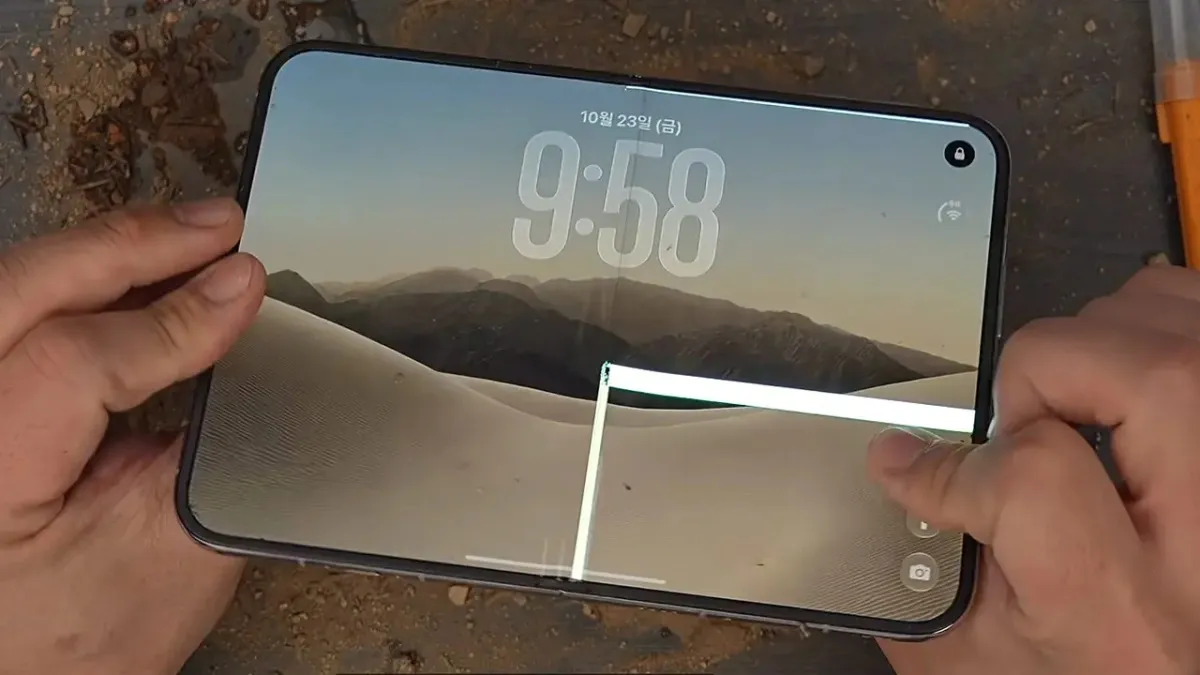
Some users outside Taiwan have reported cracks and unusual bright lines along the center crease of the inner display, sparking heated discussion online. On October 26, Apple said it was aware of "an issue with the inner display on a small number of iPhone Duo devices." Affected users should contact AppleCare to have their devices replaced, the company said, and do not need to buy AppleCare+ to qualify. In Taiwan, no confirmed cases of the same fault have yet been identified, and it remains unclear whether any units sold in Taiwan are affected.
Teardown tests found that hinge parts had broken in some individual devices, which may have pressed against the inner screen. Those tests included exposure to sand and dust and force applied in the reverse direction, however, so they do not show that every reported case has the same cause. Apple has not disclosed how many devices are affected or confirmed what caused the fault, which means isolated reports should not yet be treated as evidence of a widespread defect.
Goldman Sachs Still Sees 33 Million Foldables In 2027
In its October 19 report, Goldman Sachs kept its forecasts for foldable iPhone shipments at about 13 million units in 2026 and 33 million in 2027, arguing that the new design and its distinct use cases will help attract buyers. Those are a research firm's projections, and whether they are met will depend on how production and sales unfold.

From launch day lines to waits that now stretch into the new year, the next test for the iPhone Duo is whether hinge yields and memory supply improve enough to turn orders into deliveries. Whether waiting customers remain willing to pay for the price and the new foldable experience will decide how long the current enthusiasm lasts.