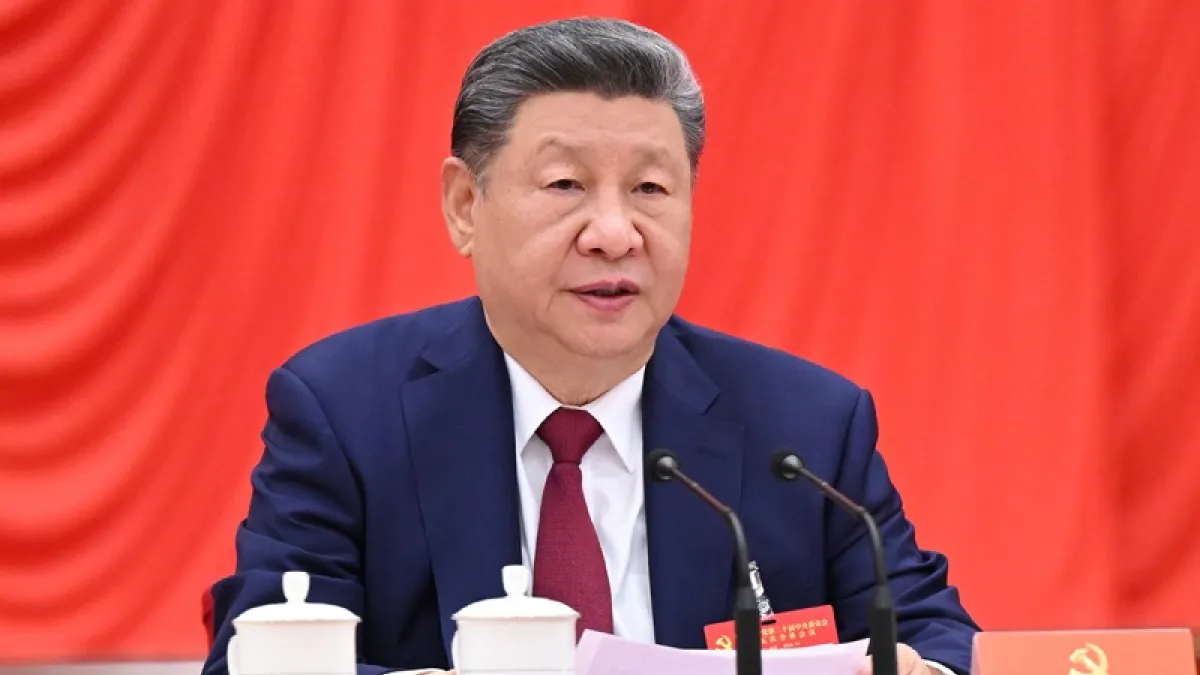
Chinese leader Xi Jinping, widely expected to seek a fourth term as Communist Party chief in 2027, is likely lining up at least two sets of potential successors, as Mao Zedong and Deng Xiaoping once did, a Taiwanese China scholar said on October 30, 2026.
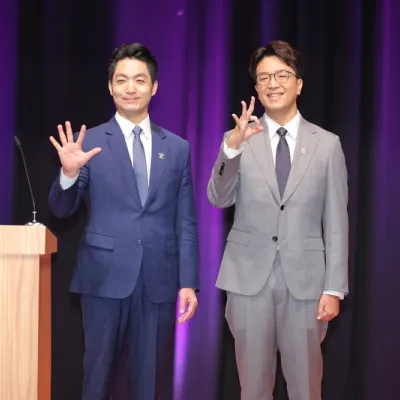
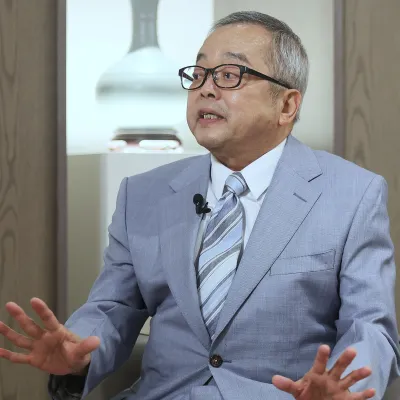
Ming Chu-cheng, professor emeritus of political science at National Taiwan University, made the assessment at a Taipei forum hosted by the Institute for National Policy Research, a Taiwanese think tank, to discuss the Chinese Communist Party's just-concluded Fifth Plenum.
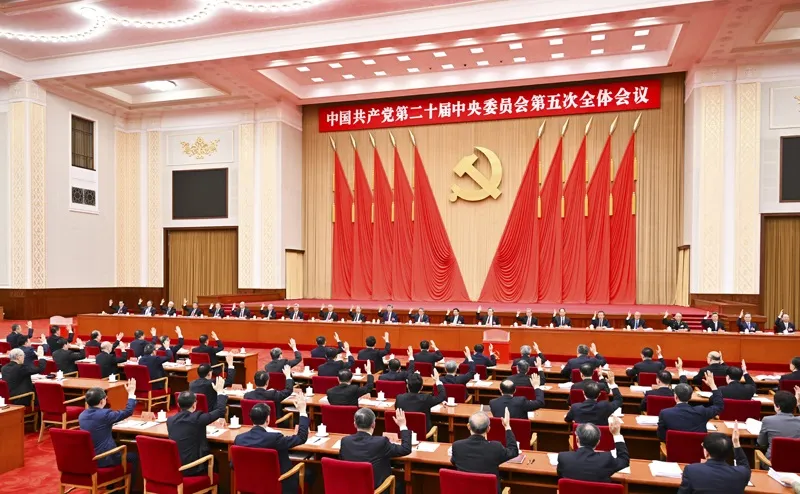
The Fifth Plenary Session of the party's 20th Central Committee ran for four days in Beijing and closed on October 29. It is the last major internal meeting before the 21st Party Congress, expected in the second half of 2027, and observers have combed it for clues about personnel changes across the party, government, and military, and about Xi's path to another term.
A Hidden Succession Plan Behind A Fourth Term Bid
Xi, 73, is serving his third term as the party's general secretary and is very likely to seek a fourth, Ming said. No clear heir has emerged, but Ming argued that this does not mean Xi lacks a plan.
Xi may have avoided naming a successor to keep that person from becoming a target inside the party, Ming said, but he "certainly has a succession plan, and it is hidden somewhere that is not obvious."
To work out what that plan may look like, Ming turned to the two leaders who shaped the party's history before Xi.
Mao Pitted Hua Guofeng Against The Gang Of Four
In his final years, Mao groomed two separate camps, Ming said. The first was Hua Guofeng, an obscure local official in Hunan province whom Mao promoted to party chief of Xiangtan, Mao's home region, and then to first party secretary of Hunan. Hua later moved to the central government, where he became vice premier and then premier, a rise Ming likened to riding a rocket.
The second camp was the Gang of Four: Mao's wife Jiang Qing, Zhang Chunqiao, Yao Wenyuan, and Wang Hongwen. Mao was content to let the two groups compete, Ming said, voicing the late chairman's reasoning.
"Why two groups? I didn't know who could carry the load, so I lined up both. Would the two groups fight? That's fine, let them fight. Whoever comes out holding my, Mao Zedong's, banner, there's no problem. It's just that Deng Xiaoping broke both arrangements."
After Mao died in 1976, Hua had the Gang of Four arrested, only to be sidelined by Deng within a few years.
Deng Bet On Both Jiang Zemin And Hu Jintao
Deng followed a similar approach once he took power, Ming said, picking Jiang Zemin as his first option and Hu Jintao as his second. Speaking from Deng's point of view, Ming said: "I wasn't sure either who would make it, but I put the candidates out there, and only if one really didn't work out would I replace him."

Ding Xuexiang Holds The Age Advantage At The Top
Applying those precedents, Ming expects Xi to prepare at least two groups of possible heirs. At the national level, he named Ding Xuexiang, a member of the seven-member Politburo Standing Committee, China's top decision-making body, and the country's executive vice premier. At 64, Ding is relatively young among the party's top leaders.
"I'm not saying Li Qiang (premier, 67) has no chance, and I'm not saying Cai Qi (secretary of the Central Secretariat, 70) has no chance, but it looks like, if age counts as an advantage for Xi Jinping, Ding Xuexiang may be the better choice," Ming said.

Four Big City Party Chiefs Wait In The Wings
The second group, Ming suggested, comes from the party secretaries of China's four municipalities that report directly to the central government: Yin Li of Beijing, Chen Min'er of Tianjin, Chen Jining of Shanghai, and Yuan Jiajun of Chongqing. All four sit on the party's Politburo.
Which camp prevails, Ming said, ultimately rests on Xi's own decision.
Scholar Draws A Succession Lesson From The Godfather
Ming said his reading of Xi's succession thinking also draws on a lesson he took from the Hollywood film The Godfather, which he watched as a young man.
"Why did I take a succession lesson from The Godfather? Mob bosses are very devoted to their families. Before they go out to fight other crime families, they first take care of home: they hide their wives, look after their children, and arrange their bodyguards, and only then do they go out to battle," he said.
"The other side does the same. The rival family also secures its wives and children before the fight. A dictator's logic is the same as a mob boss's logic." (Related: Beijing Watch | China's Plenum Lifts Military Discipline Chief Zhang Shengmin Into Politburo As Purges Reshape The Party | Latest )