At least 68 people were killed and more than 100 injured on October 28 when a high-speed train slammed into the back of another that had stopped on the line between Madrid and Andalusia, in Spain's deadliest rail disaster since the Santiago de Compostela derailment in 2013.
The collision happened near the town of Urda in the Toledo province of Castilla-La Mancha, central Spain, on the high-speed line linking the capital with the south of the country. It is the second deadly crash on the same route in less than a year.
Castilla-La Mancha regional president Emiliano García-Page announced the toll of 68 at a press conference on the evening of the crash, according to Moncloa.com. Earlier figures had climbed through the day from 10 to 30, then 64. About 15 people were seriously injured, and more than 50 others were being treated in hospitals across the region and in Madrid, ABC News reported.
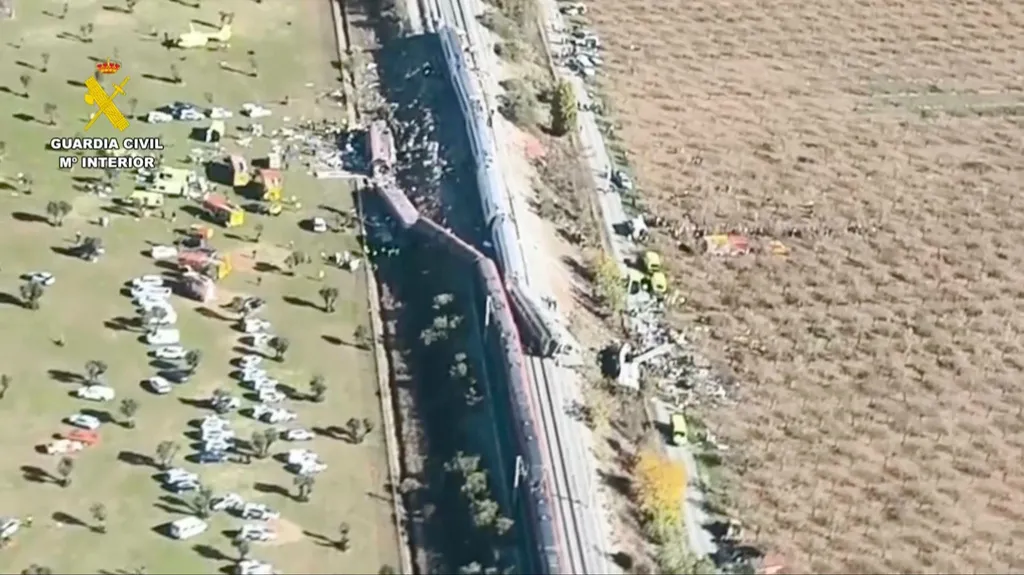
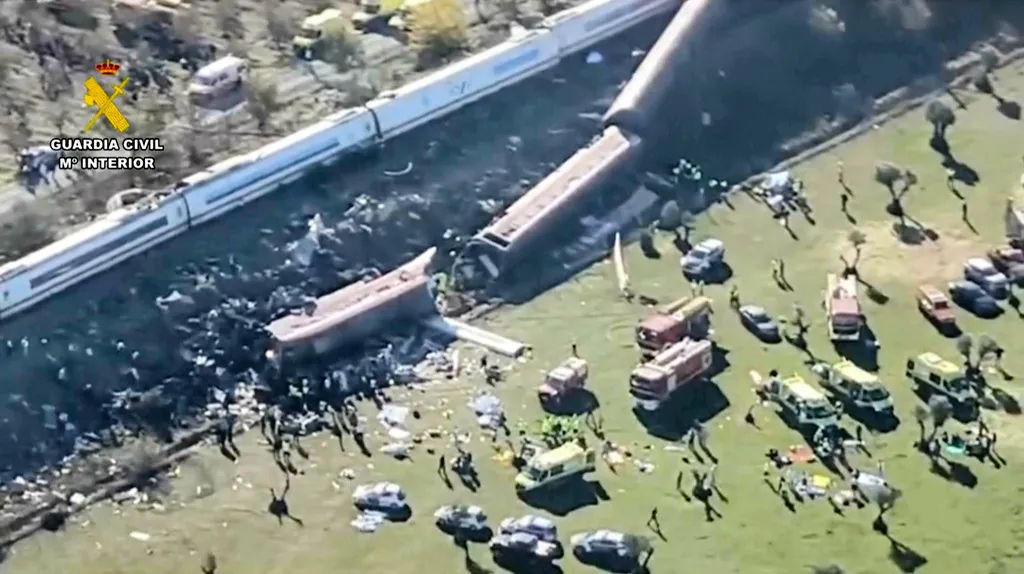
Footage from the scene showed derailed carriages hanging off an elevated section of track, with twisted metal frames, torn steel panels and debris scattered down the embankment below as rescue teams searched for survivors.
How The Collision Happened
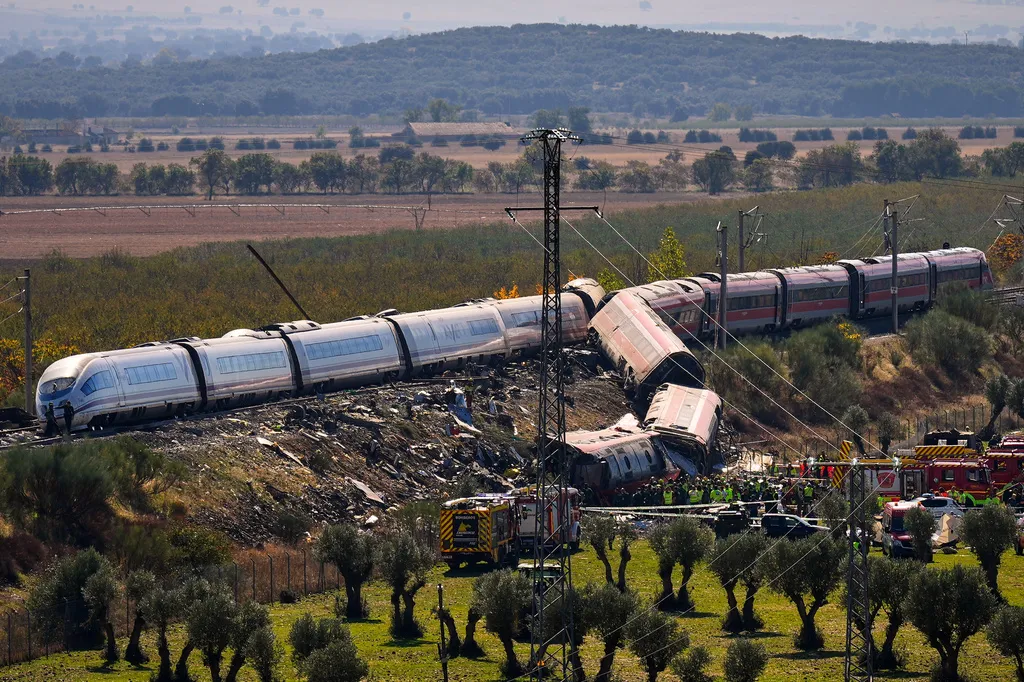
According to local media, a private Iryo express train had stopped on the track near Toledo after being told by ADIF, Spain's state rail infrastructure manager, of a signal failure ahead. It was then hit from behind at high speed by a train operated by the state rail company Renfe. The force of the impact derailed several carriages on both trains.
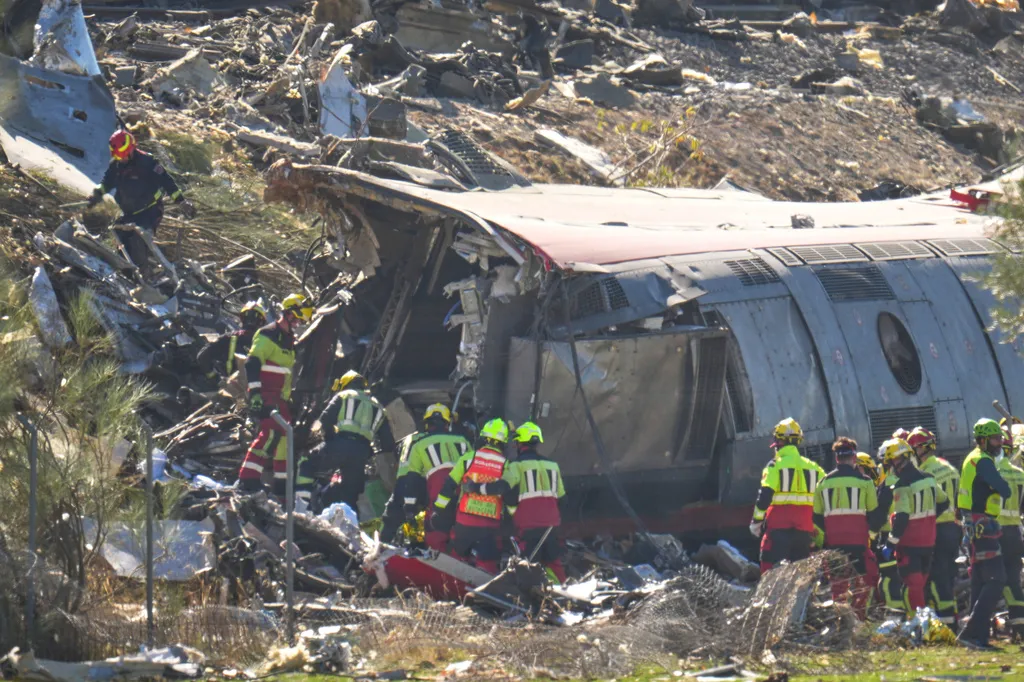
Esther Padilla, spokesperson for the Castilla-La Mancha government, said the Iryo train was carrying 147 passengers and the Renfe train 397. The crash happened shortly before 9 a.m. local time, and two carriages of the Iryo train derailed and caught fire.
A survivor named Miguel told foreign media that passengers heard "a huge bang, a terrifying roar that lasted about 10 seconds," and felt as if the train was about to overturn. "Through the window on the right, we saw a completely wrecked train," he said.
Another passenger, Eduarda, said the impact threw her through the air. As she climbed down the embankment to escape, she saw carriages on fire and bodies.
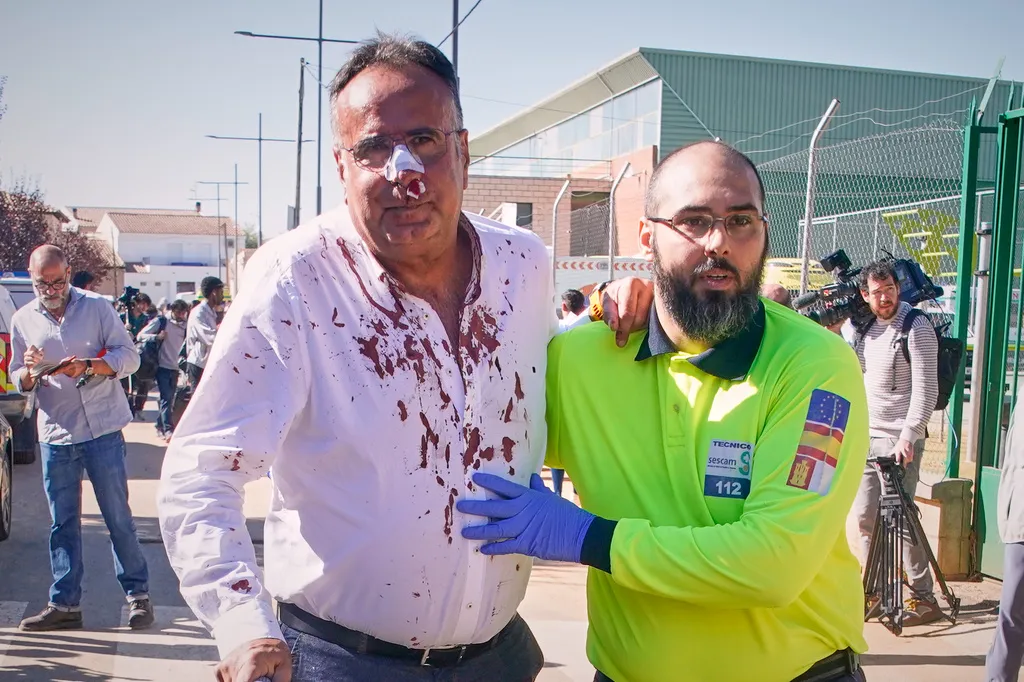
Investigators Focus On An "Inexplicable" Order
Attention quickly turned to why the Renfe train was allowed to keep moving. Transport Minister Óscar Puente said it was "inexplicable" that the control center had authorized the Renfe train to proceed while the Iryo train was stopped ahead, regional broadcaster CMM reported.
According to CMM, the control system at Urda station failed at around 8:30 a.m., knocking out the automatic train protection system along a 69 km stretch with about six trains on it. Under the rules, trains in that situation may only run on sight at up to 40 km per hour. Transport Ministry sources have raised the possibility of human error by an ADIF operator responding to the signaling failure, but no official cause has been established.
"A rear end collision on the Spanish network is truly implausible," Puente said. "We are absolutely devastated." He ruled out resigning.
An independent railway accident investigation commission will examine the crash, and a court in nearby Orgaz has opened a judicial inquiry. The Guardia Civil has asked close relatives of the missing to provide DNA samples to speed up identification of the victims.
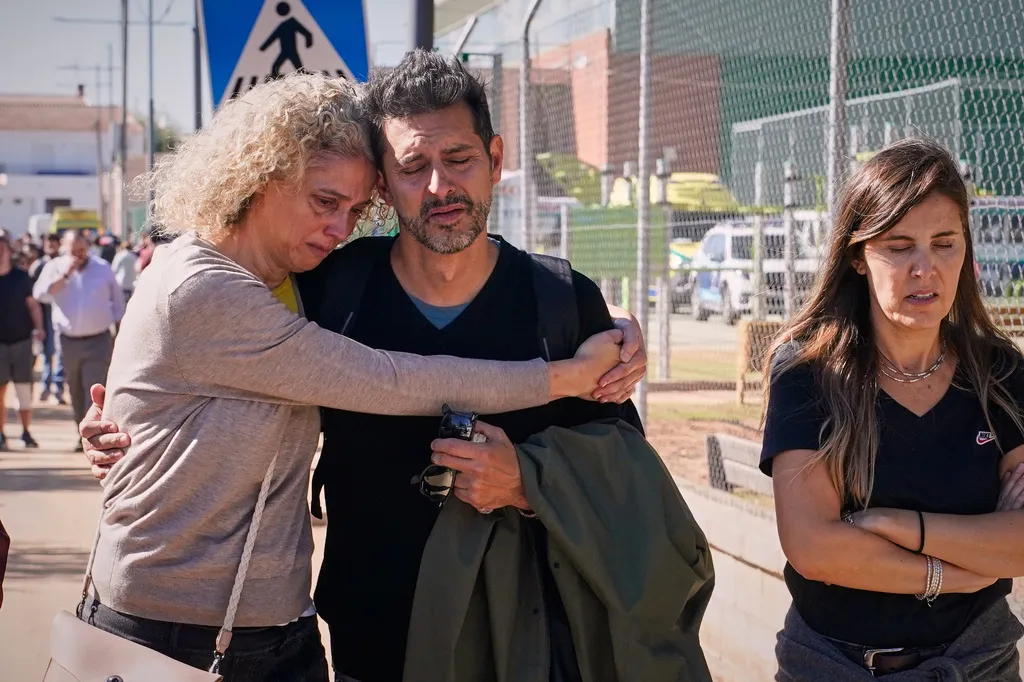
Spain Declares Three Days Of Mourning
Prime Minister Pedro Sánchez visited the emergency command post near the site and declared three days of official mourning from October 29 to 31. "Spain is in mourning," he said, promising a forceful response if any failures are found.
King Felipe VI called it a "terrible accident," and Andalusia's regional government and Seville's city council also declared mourning. Leaders including European Parliament President Roberta Metsola and Italian Prime Minister Giorgia Meloni sent condolences.
ADIF suspended all high-speed services between Madrid and southern Spain until further notice, and Iryo cancelled its services on the route. Renfe activated its victim assistance plan and offered free changes or refunds to ticket holders.
The Same Line's Second Disaster In Nine Months
The crash came just nine months after another deadly accident on the same high-speed line. In January 2026, a train derailed near Adamuz in Córdoba province and struck an oncoming train, killing 46 people and sparking fierce public criticism over a lack of investment in rail maintenance.
"We have suffered two terrible high-speed rail tragedies in a single year," García-Page said. Sánchez, however, said everything suggested the causes of the two accidents were very probably unrelated.
Rising Accident Numbers And A Maintenance Gap
Data from Spain's rail safety agency show that rail accidents, including derailments and collisions, rose from 45 in 2016 to 57 in 2024 and 69 in 2025.
Between 2018 and 2022, Spain spent at least €1.5 billion (about US$1.7 billion) a year on its high-speed network. But most of that money went to building new lines, with only 16% spent on maintaining, renewing and upgrading existing track. (Related: Planning a Trip to Korea? Don’t Get Stranded at the Wrong Station After KTX Merger | Latest )