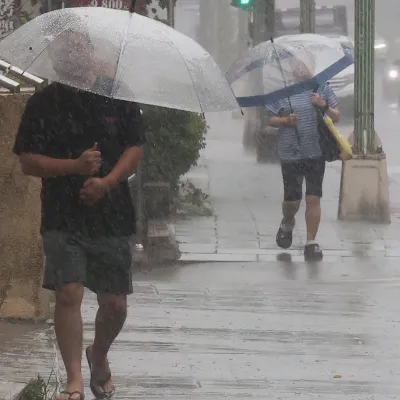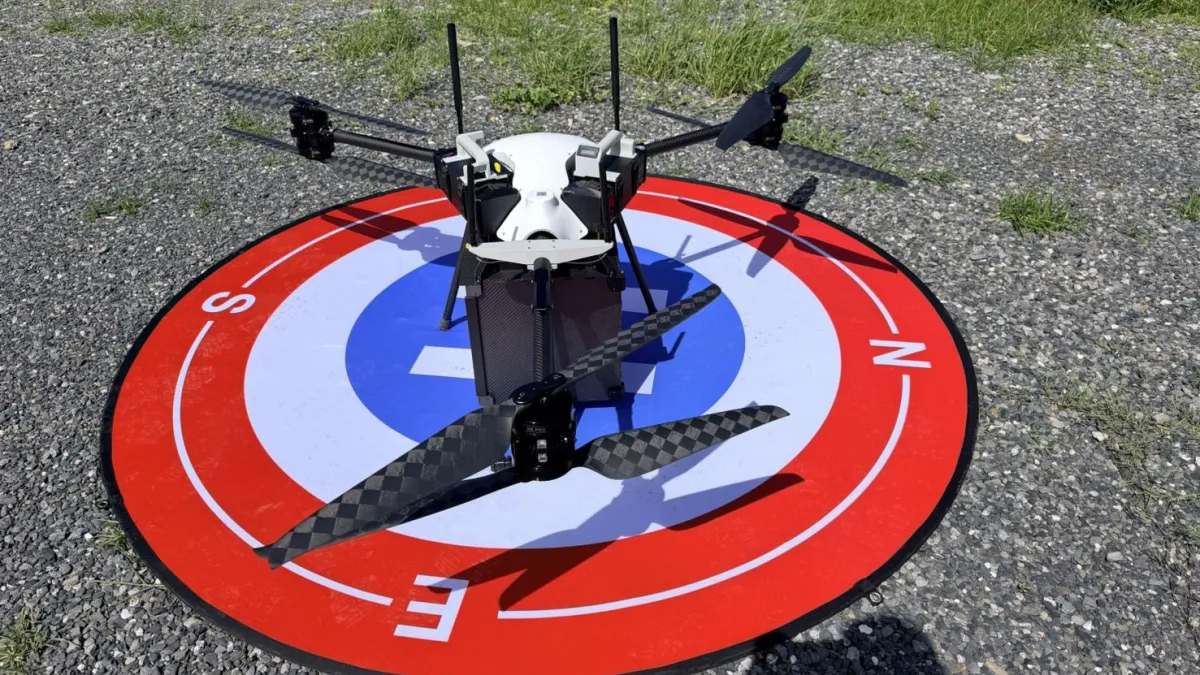
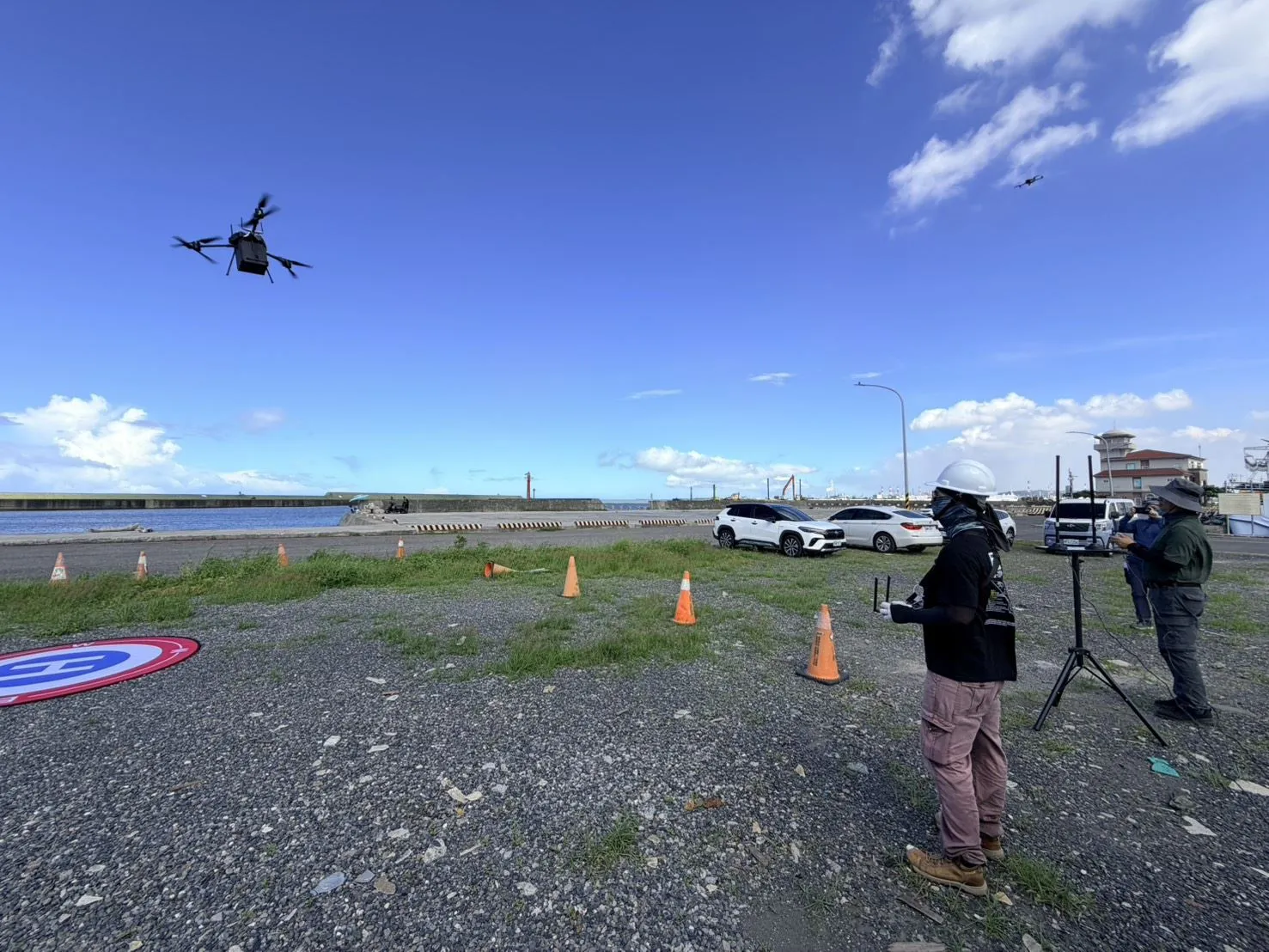
After a recent typhoon moved away from Taiwan, the seas off the island's southwest coast were still too rough for ferries to sail. So a drone carried emergency medicine over the water instead, flying more than 10 km from Pingtung County on Taiwan's main island to Xiaoliuqiu, a small island popular with tourists.
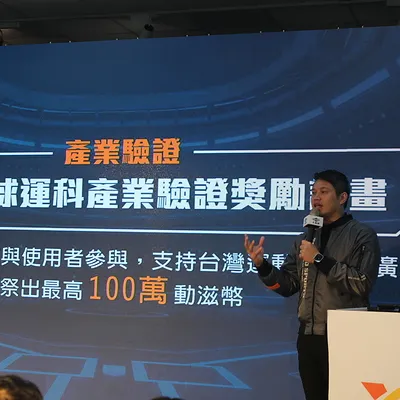
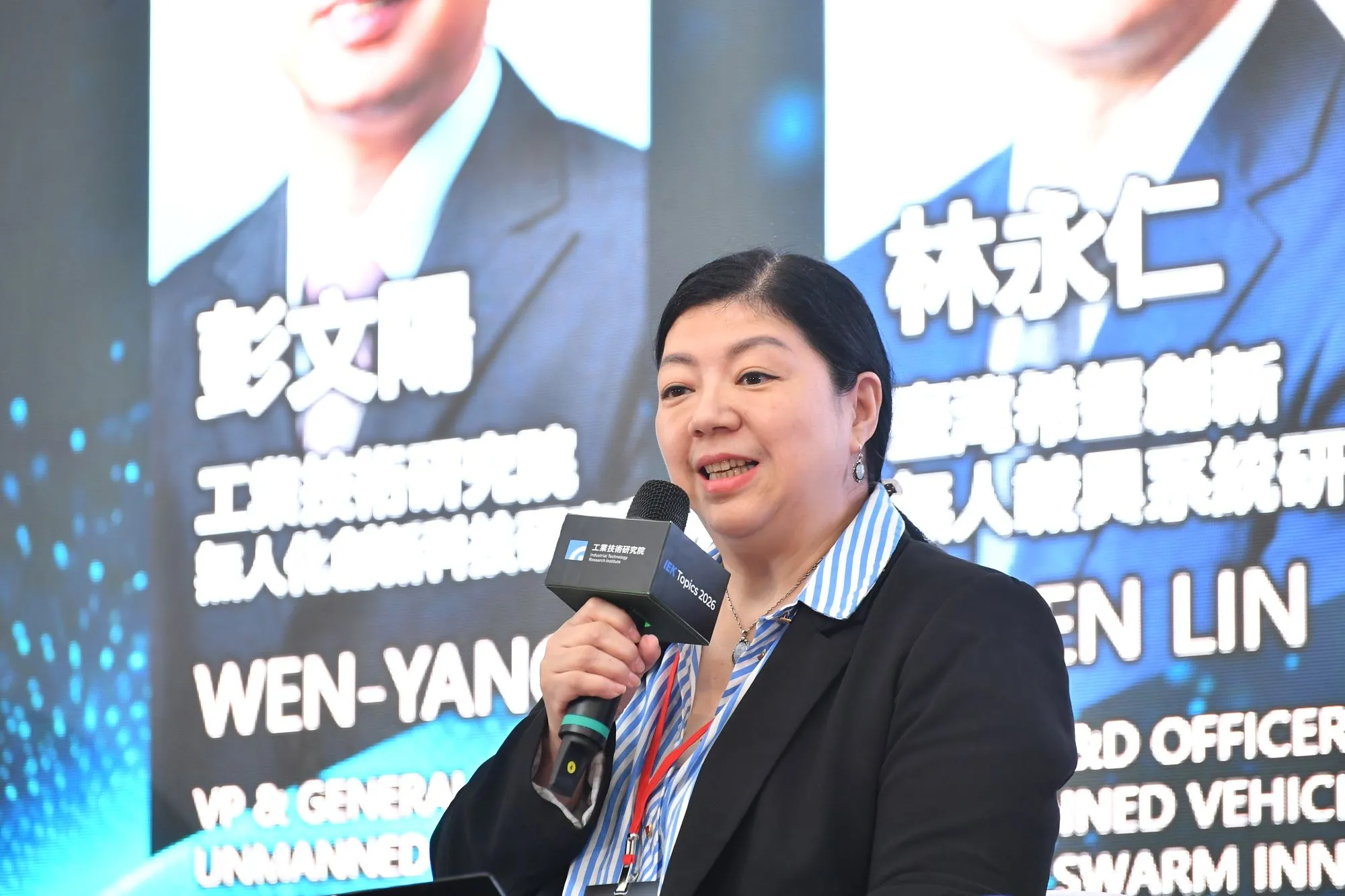
Ko Shu-fen, president of Taiwanese electronics group Qisda, described the delivery at an industry forum in Taipei on October 28. Qisda is part of a government drone program, and Ko said the flight showed that drones can now play a real role in disaster response in Taiwan.
"Right after the typhoon, we used a drone to deliver medicine from Pingtung to Xiaoliuqiu," Ko said. "Because the typhoon left sea conditions poor and the ferries could not run, delivering the medicine needed by emergency patients became extremely important."
She cautioned, however, that Taiwan still has work to do before its drone operating environment is truly robust, from managing low altitude airspace and securing GPS positioning signals to protecting the cybersecurity of drone systems.
How The Island Drone Route Came About
Ko was speaking at the 2027 industry trends seminar hosted by the Industrial Technology Research Institute's Industry, Science and Technology International Strategy Center (ISTI), where the institute also released a special report on how uncrewed technology is reshaping industries. Ko said Qisda runs its drone business through a team that reports directly to the president's office.
The flight builds on a broader government program. According to a July press release from the Pingtung County Government, the Institute of Transportation under the Ministry of Transportation and Communications has run a drone logistics program for remote areas since 2020. In 2026 it entered a stage of testing commercial operations, with Pingtung as one of the lead demonstration counties.
The institute is working with several partners, including the Commerce Development Research Institute, the National Center for High-performance Computing, National Pingtung University of Science and Technology and National Cheng Kung University, to build a smart air logistics test zone centered on Pingtung.
The program focuses on two air corridors in the county. The second links Yanpu Fishing Port with Xiaoliuqiu. Working with Chunghwa Post, it combines drones with existing shipping and postal services to speed up the delivery of mail and daily supplies to the island and narrow the logistics gap with Taiwan's main island.
Four Ways Uncrewed Technology Will Change Infrastructure
Ko told the forum that uncrewed technology is bringing four major changes to infrastructure:
- Communications and sensors
- Energy and power grids
- Three dimensional airspace management and air logistics
- Protection and cybersecurity of critical infrastructure, which she said remains especially important
ITRI Sees Drones Shifting From Machines To Ecosystems
Li Kuan-hua, research director at ISTI and editor in chief of its new report, said Taiwan's uncrewed vehicle industry will go through several major shifts as the technology moves into real world use.
From Vehicles To Infrastructure
The focus will widen from individual vehicles to entire operating zones. Li said "field sandboxes" will bring together drones, fixed automatic charging stations, inspection and repair points and local communications networks to speed up testing and deployment. A smart city's "city brain," for example, could use drones and robots to carry digital decisions into the physical world, with standardized interfaces helping different uncrewed systems work together.
From Product Testing To Whole Zone Certification
As uncrewed technology becomes commercial, Li said Taiwan will need credible, independent third party testing and certification. That means testing not just the vehicles but also the infrastructure, operating rules and safety limits of the zones they work in, clarifying who is responsible when things go wrong, and adding checks for secure hardware supply chains and national cybersecurity.
From Machine Performance To Real World Resilience
Once uncrewed systems become part of how society runs, adaptability, long term stability and resilience in emergencies will matter as much as the performance of any single machine. Li said the industry will push ahead with multi modal sensor fusion for all weather awareness, edge computing for more autonomous decision making, coordination among multiple drones and vehicle types, and better energy management to keep systems running longer. (Related: Taiwan Drone Maker Completes Albatross II Deliveries, Eyes New Plant | Latest )