Debate over whether the US dollar's global dominance is fading has become a fixture of international finance. But the dollar, which took over after World War II, and the British pound, which was used almost everywhere before World War I, were not the first currencies to circle the globe. That title, according to economic historian Barry Eichengreen, belongs to the Spanish dollar.
The coin also links two places rarely mentioned in the same breath. From 1626 to 1642, the Spanish held colonial outposts in Tamsui and Keelung in northern Taiwan, bringing their silver with them. At the same time, Spanish coins were widely used in Britain's North American colonies, and they remained legal tender in the United States until the mid 19th century. For a time in the 17th century, Taiwan, then a remote frontier of Ming dynasty China, and the colonies that would become the United States were in effect united by the same money.
Why Eichengreen Calls The Spanish Dollar The First Global Currency
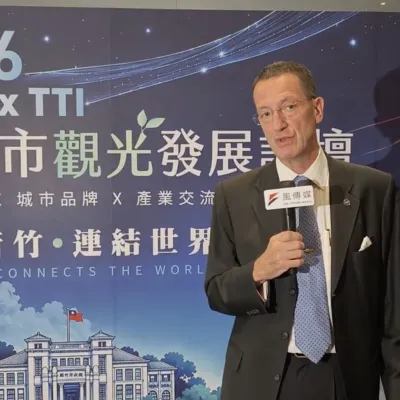
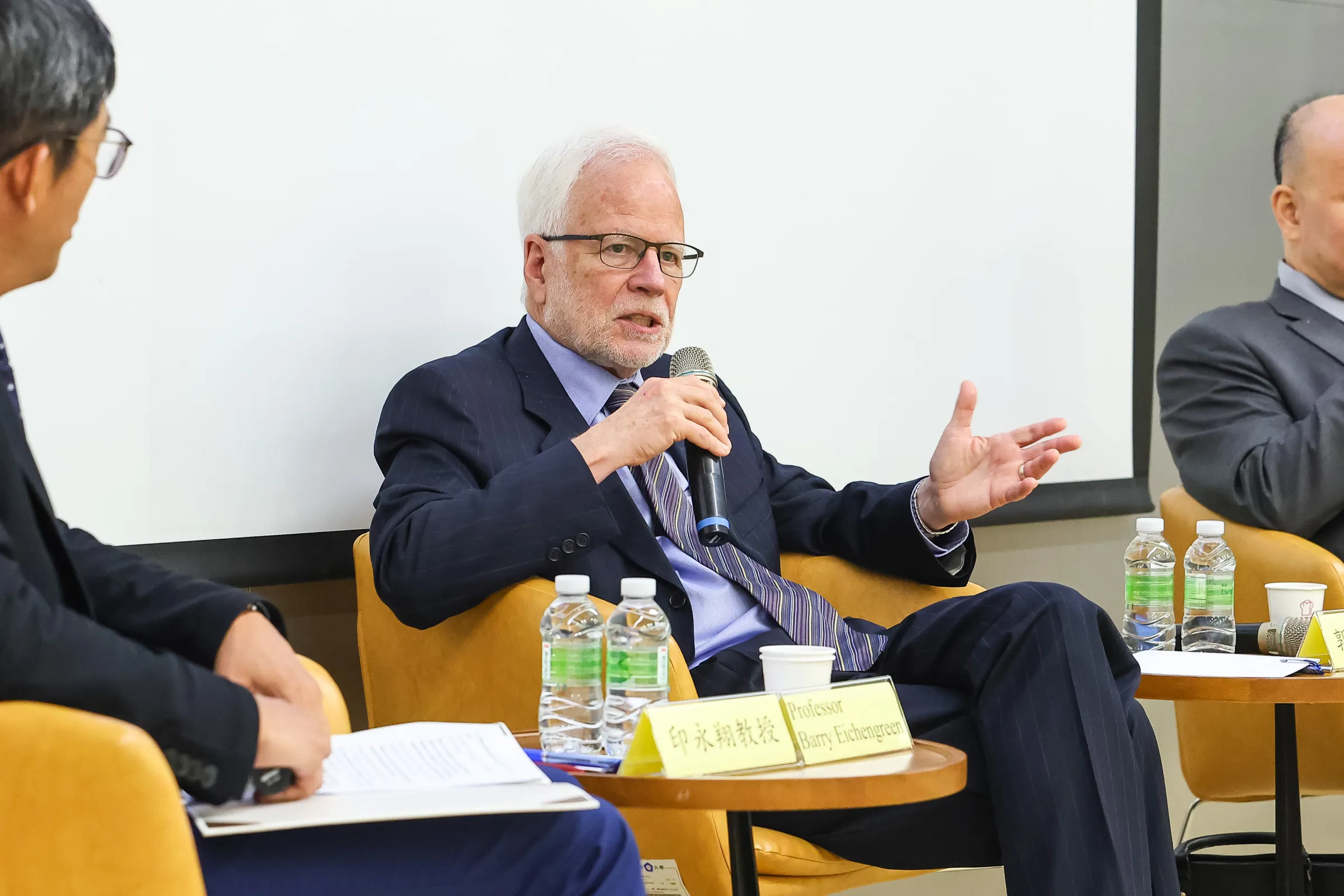
Eichengreen, about 74, a distinguished professor at the University of California, Berkeley, has spent decades studying international economic and monetary history, including the rise and evolution of dollar dominance. In mid October he delivered a keynote titled "Dollar Hegemony and the Asia Pacific Game" at a forum organized by the Asia Pacific Political and Economic Research Association, with the Yu Kuo-hwa Foundation and Storm Media as co-organizers, where he warned that the dollar's real threat is Washington, not Beijing.
Before turning to today's challenges, he traced the long history of currencies that crossed borders: the owl coins of ancient Greece and the silver of Alexander the Great, Roman coins stamped with Caesar's image, the Byzantine gold solidus and the gold florin of medieval Florence.
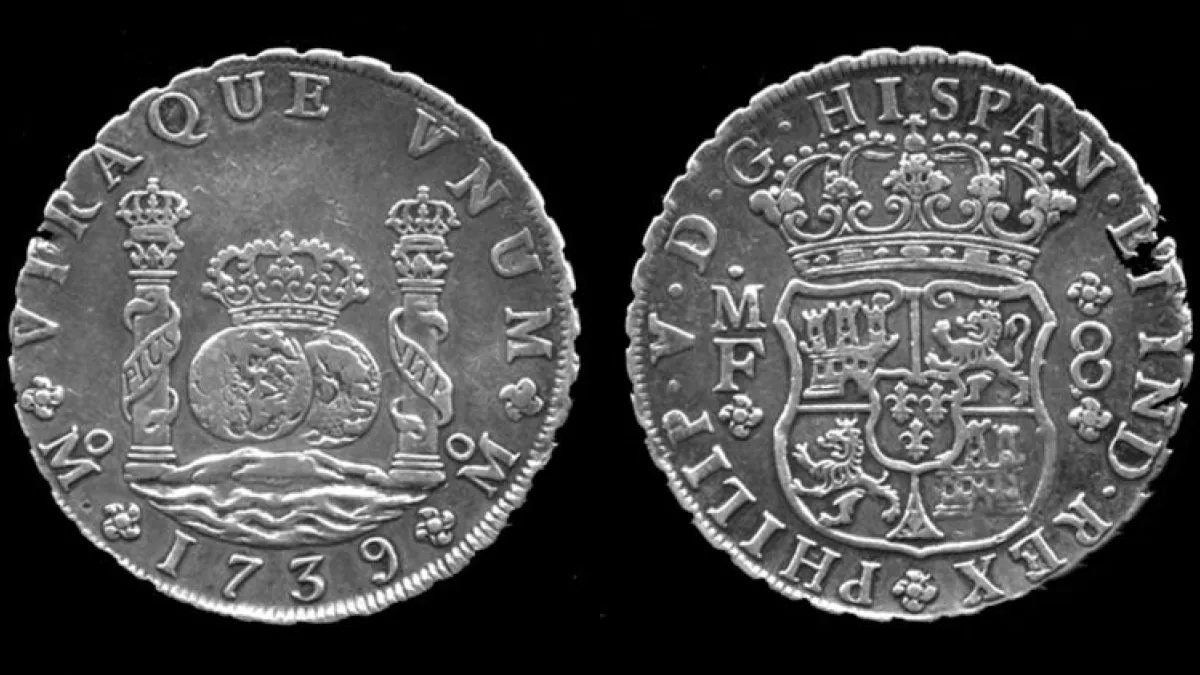
But in his view, the first truly international currency was the Spanish dollar, and in particular the eight real coin known as the "piece of eight," which could be cut into eight pieces to make change.
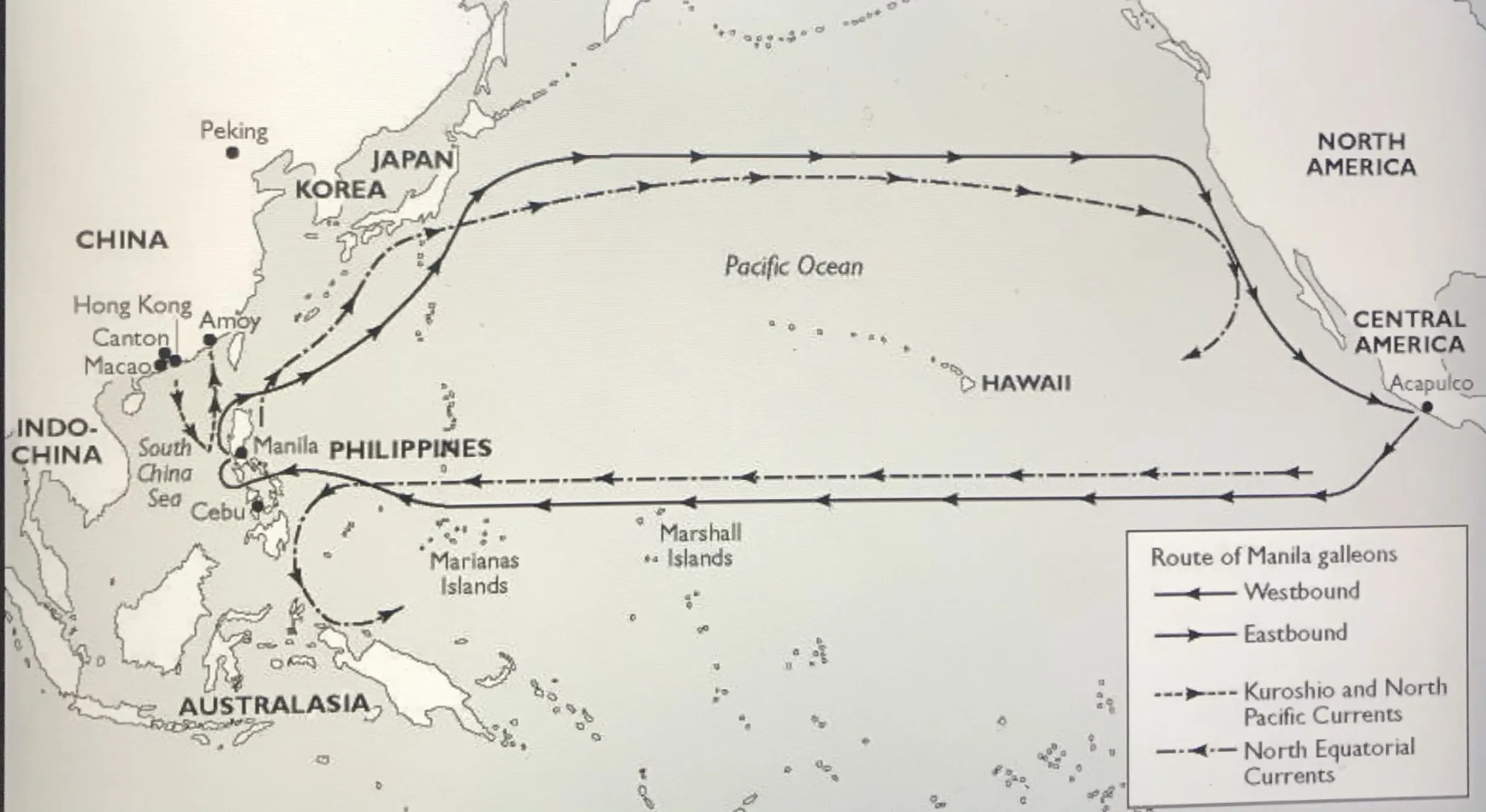
"They were mined and minted in the New World, in what is today Peru and Mexico, but they were shipped to Asia on the Manila galleons from Acapulco to Manila, and from there they flowed through trade into China," Eichengreen said. "They went from the Americas to Asia and Europe. They were smuggled from the New World to England and Amsterdam, and they also took another route from Western Europe to Asia. This was the first global currency, not only circulating and used in trade in the Western Hemisphere, but widely circulated in Europe and Asia as well."
How Spanish Coins Stayed Legal Tender In America For Decades
Eichengreen also pointed to a curious detail of American history. Although the United States declared independence in 1776, it was not until 1857 that Congress passed a law ending the status of foreign coins as legal tender.
"In other words, about 80 years after independence, the Spanish dollar was still legal tender in the United States," he said, explaining that it took a long time for gold mined in California and silver mined in Nevada to accumulate in sufficient quantities. Only by the 1890s, he said, did the mint have large enough reserves to coin America's own money.
How Spanish Silver Connected Taiwan To Global Trade
Spanish silver had circulated widely in Britain's North American colonies since the first English settlers arrived in the early 17th century. Half a world away, Spain had made Manila its base for trade in East Asia from the late 16th century. Against that backdrop, a Spanish fleet entered Keelung in 1626 and Tamsui two years later, beginning more than a decade of colonial rule in northern Taiwan and bringing Spanish silver to the island.
According to the National Museum of Taiwan History's description of an eight real coin in its collection, once Spain established Manila as its base for expanding power and trade in Asia, the Spanish dollar became the currency Europeans used in East Asia, accepted even by the Dutch. It circulated across Spain's Asian colonies and the trading ports of the Spanish and Portuguese in South Asia, including Taiwan, and remained in use into the Qing dynasty.
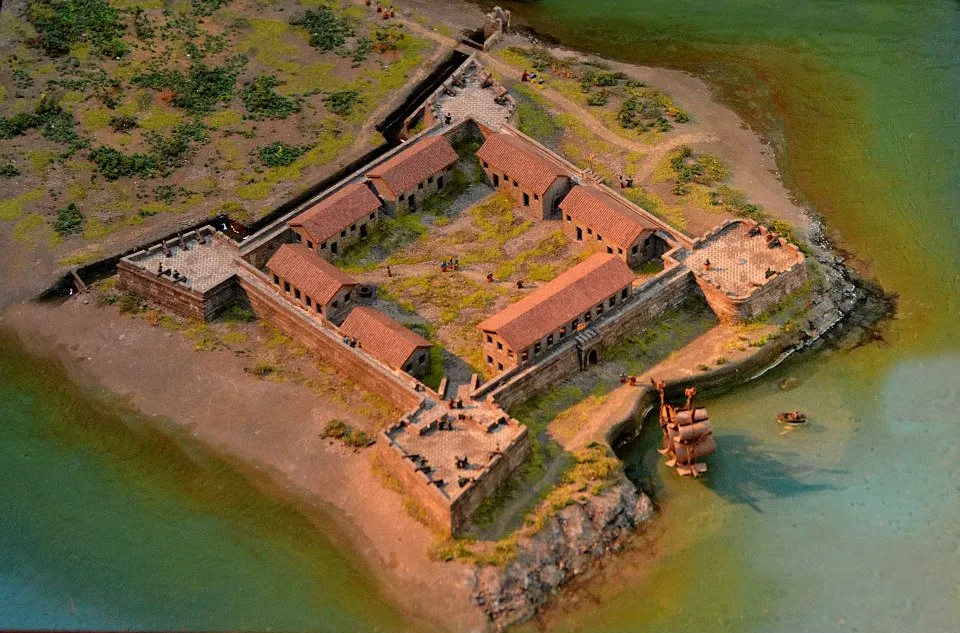
The coins even changed local customs. According to museum records, after the Spanish set up their outposts in northern Taiwan in 1626, they paid compensation and conducted trade with Indigenous communities in Spanish silver, introducing them to the value of Western money. It even altered the tradition among Indigenous people in Tamsui of offering agate beads or cloth as betrothal gifts.
Seen this way, from the first half of the 17th century through the Qing era, Taiwan, sitting on one of East Asia's key sea lanes, was plugged directly into international trade. Like Britain's North American colonies and the United States that followed, it was part of the globalized trading system of the 17th to 19th centuries, thanks to the same Spanish silver.