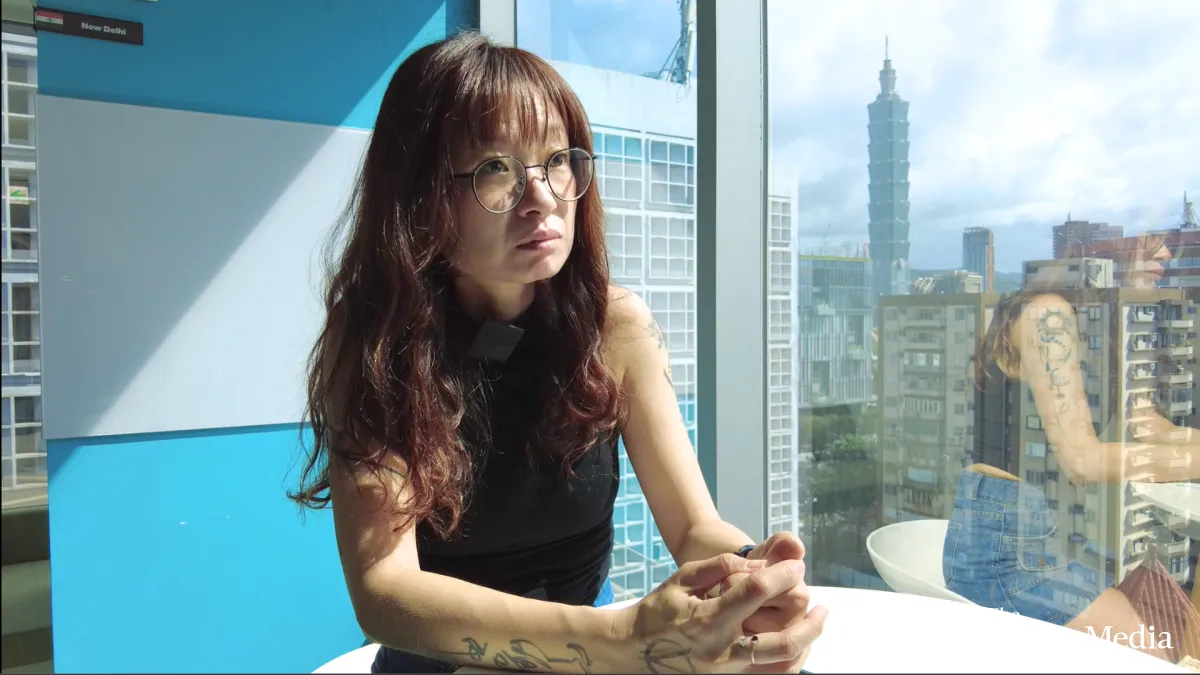
Some readers of Pulse HK (追光者), a Hong Kong news outlet run from overseas, have stopped subscribing online. Instead, they board a plane to Taiwan and hand its journalists cash in person, afraid that a credit card record could one day be used against them by Hong Kong's national security police.
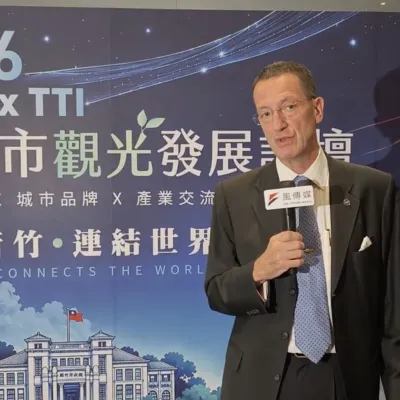
"Someone flew straight to Taiwan to give us cash. The fear has reached that level," Pulse HK co-founder Shirley Leung Ka Lai (梁嘉麗) told Storm Media. "In all my years as a journalist, I have never seen anything like it."
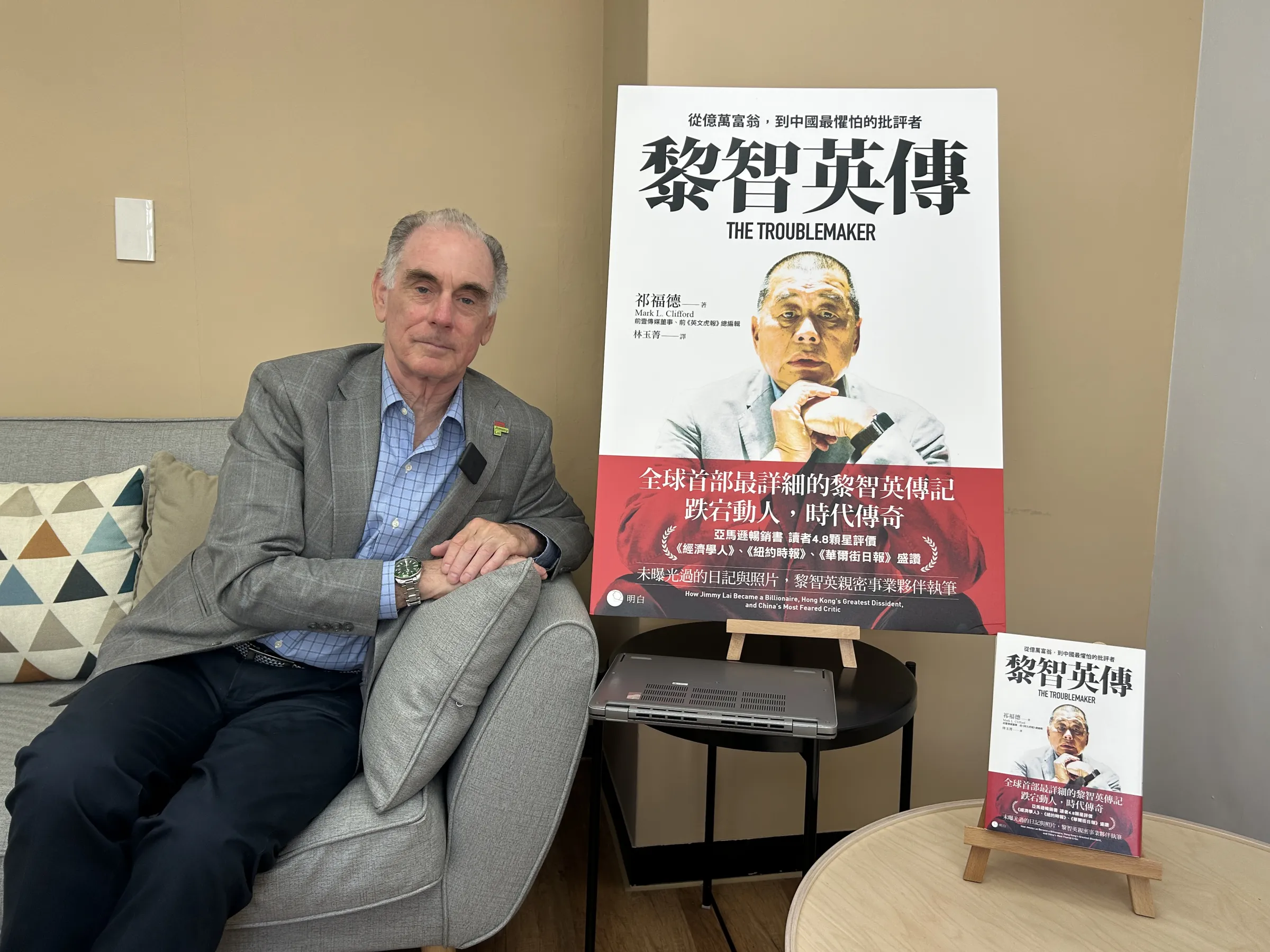
Her outlet has just been named the most trusted overseas Hong Kong news source in a new survey, a sign of how far the city's media landscape has shifted since Beijing imposed the National Security Law in 2020. Mark Clifford, a longtime friend of jailed media tycoon Jimmy Lai (黎智英) and author of a biography of him, put it bluntly in an interview with Storm Media. "Under the national security law, freedom of speech and freedom of the press are effectively dead," he said. "It is truly remarkable that independent media can keep operating."
What The Survey Found About Hong Kong's Exiled Media
The report, released at the end of September by Hong Kong Media Overseas (HKMO) together with the Public Opinion Research Project for Domestic and Overseas Hongkongers, was based on 507 valid questionnaires collected between November 2025 and May 2026. It concluded that overseas Hong Kong outlets and the city's remaining independent media are no longer niche players but have become trusted primary sources of news for Hongkongers, especially those who have emigrated.
Among respondents, 86% said they regularly read Pulse HK, 84% followed Green Bean Media and 58% followed The Points Media. Only 1% said they rarely or never used overseas Hong Kong news media. Reach and credibility went hand in hand. Asked to name the three most credible overseas Hong Kong outlets, 90% chose Pulse HK, 89% chose Green Bean and 63% chose The Points. Pulse HK and Green Bean led across age groups, education levels and places of residence.
Clifford, a former director of Lai's Next Digital media group who has known him for more than 30 years, praised the people behind these outlets. "These people are very brave. They are obviously not doing it for money, but because they believe in the truth and believe in Hong Kong," he said. On sheer scale, he acknowledged, they may never match the reach of Lai's Apple Daily, which was forced to close in 2021. But they still matter. "They get the news out, overseas, and people in Hong Kong can see these sources too. That keeps the hope of freedom alive, flickering like a candle," he said. "So these outlets are very, very important, and I hope they continue to grow."
How Pulse HK Earns Readers' Trust
Pulse HK was formed last October through the merger of two overseas outlets, Photon Media (光傳媒), which Leung founded in 2023, and The Chaser News (追新聞). The survey results arrived just as it marked its first anniversary.
Leung said the newsroom works the way she and her colleagues did as reporters in Hong Kong, through interviews and verification. "Fact checking is the key element that makes readers see us as credible," she said.
Even with a chronically small staff, the team produces breaking news, in depth features and video programs, and it refuses to cut corners with artificial intelligence. Reporters still go to the scene, film real footage and record their own voiceovers. "If we used AI for the narration, it really would just take the push of a button, and we could save a lot of manpower," Leung said. "But after discussing it, we decided AI images and voices just don't work. It feels too much like a content farm." Real photos and real voices, the team agreed, are more convincing.
A former reporter at a mainstream Hong Kong outlet, who spoke on condition of anonymity and is identified here as W, said the rising trust in independent media reflects both their own efforts and long standing problems in the mainstream press. "This cannot all be blamed on the national security law, but the law has certainly made problems that already existed more complicated," he said. He argued that mainstream outlets had long sacrificed quality for traffic and turned serious news into entertainment, a trend he said Apple Daily itself had helped popularize.
Why Fear Is The Biggest Challenge For Exiled Outlets
For Leung, one of the hardest parts of running an overseas Hong Kong outlet is finding sources. Some people who once spoke freely now hesitate because of the national security law and Article 23, the city's homegrown security legislation passed in 2024.
Money is the other problem. Pulse HK has no corporate owner or wealthy backer and relies on reader subscriptions. Yet even supportive readers are afraid that online card payments or transaction records could be traced by national security officers, so some will not subscribe at all, and others fly to Taiwan to donate in cash. "The fear has reached this level," Leung said. "I think this will keep happening, and it may get worse."
The fear also reaches into social media. About 66% of Pulse HK's readers are in Hong Kong, but many are too afraid to like or share its posts, which hurts the outlet's reach on platforms driven by algorithms. "It's like a dead end," Leung said. "We want to report Hong Kong news to fill the gap in Hong Kong, and we are glad our readers are Hongkongers. But precisely because they are Hongkongers, they are even more afraid to like and share."
Why Local Independent Media Remain Irreplaceable
Reporting from abroad has also taught Leung to be more sensitive to readers who stayed behind. Two years ago at Photon Media, an interviewee declared that "Hong Kong is dead." Many readers in the city pushed back, writing that Hong Kong was not dead and that they were still trying. "Many people asked why you would say that when they are still working hard," she recalled. Since then, she said, the newsroom has been more careful with wording, mindful of the fears and feelings of people still living there.
She stressed that Hong Kong's remaining local independent outlets play a role overseas media cannot. They go to the scene and sit in courtrooms to record trials, so the relationship between exiled and local outlets is complementary, not competitive. But local independent journalists face low pay, long hours, a drain of young talent and constant pressure from shifting, unclear red lines, she said.
What The Wang Fuk Court Fire Revealed
The deadly fire at the Wang Fuk Court housing estate in Tai Po last November, which killed 168 people, laid bare how little room remains to hold the government to account, Leung said. Not only press freedom but the freedom of civil society as a whole has been taken away, she said. People who demanded accountability were harassed, those who called for an independent inquiry were arrested under the national security law, and those who pointed out that the problem lay with the protective netting on the scaffolding rather than the bamboo were silenced. Reporters, she added, can no longer ask tough questions.
Clifford said that under current law, anything the city's chief executive dislikes can be treated as a national security matter. "Last year's Wang Fuk Court fire is a very powerful example of how Hong Kong's civil society organizes itself to help people in need, while the government is determined to crack down, threatening jail for people who tried to draw attention to the problems, and even going after those organizing civilian rebuilding and relief work," he said.
He believes the disaster might have been prevented if Apple Daily still existed, because residents' complaints before the fire would have been picked up by the paper, investigated and exposed. "I'm very sorry to say it, and I really hope we don't see another example like this," he said. "When people talk about the benefits of authoritarianism and talk about stability, what you see is 168 people dead because of this national security system."
Leung noted that in the early days after the fire, many Taiwanese media outlets echoed Hong Kong's mainstream press and government in blaming the bamboo scaffolding. "But any professional journalist who understands Hong Kong knew it could not possibly have been about the bamboo," she said, calling the gap striking.
Why Pulse HK Says It Exists
Leung sees her outlet's mission as recording another voice and writing the truths the regime does not permit, so that people looking back on Hong Kong's history years from now will have an alternative account. "We exist because of this era," she said. "If it weren't for this era, I would probably just be commuting to work every day in Hong Kong as a very ordinary journalist." With the 2019 protest movement crushed and the national security law raising a wall around the city, she and her colleagues have had to move elsewhere to keep documenting Hong Kong. She urged Taiwanese readers who want to understand the city to read Pulse HK and other independent outlets and compare them with Hong Kong's mainstream media.
A Generation Gap In Hong Kong Journalism
Leung warned that a generation of professional journalists is being lost. With low pay and little room to practice real journalism, reporters in Hong Kong now either give up or leave the profession, she said. "New reporters don't ask questions and don't think critically." She described one reporter who asked a question at a press conference that an editor had not assigned, only to be scolded back at the office: "You didn't listen. You asked a question I didn't tell you to ask!" Under that kind of "training," she said, professional journalism could be wiped out within five years.
W offered a more nuanced view. Friends still working in Hong Kong's newsrooms mostly complain about very practical problems such as pay, staff shortages and workload, he said. Political limits are understood without needing to be said, but the pressure is real. "I know there are still reporters willing to push the line and keep covering sensitive issues, and there have even been cases where stories were taken down by the company after publication," he said.
He rejected the idea that everyone still working in mainstream Hong Kong media is serving the system. "The colleagues I know still have passion for journalism and still want to do everything well," he said. "It's not that all reporters have lost their journalistic ideals. Even if they still have the ability and the passion, they may not have the environment, time and resources to really do journalism well." (Related: Blank Front Pages, Shuttered Newsrooms: Apple Daily Exhibition Opens in Taipei to Preserve Hong Kong's Banned Press History | Latest )