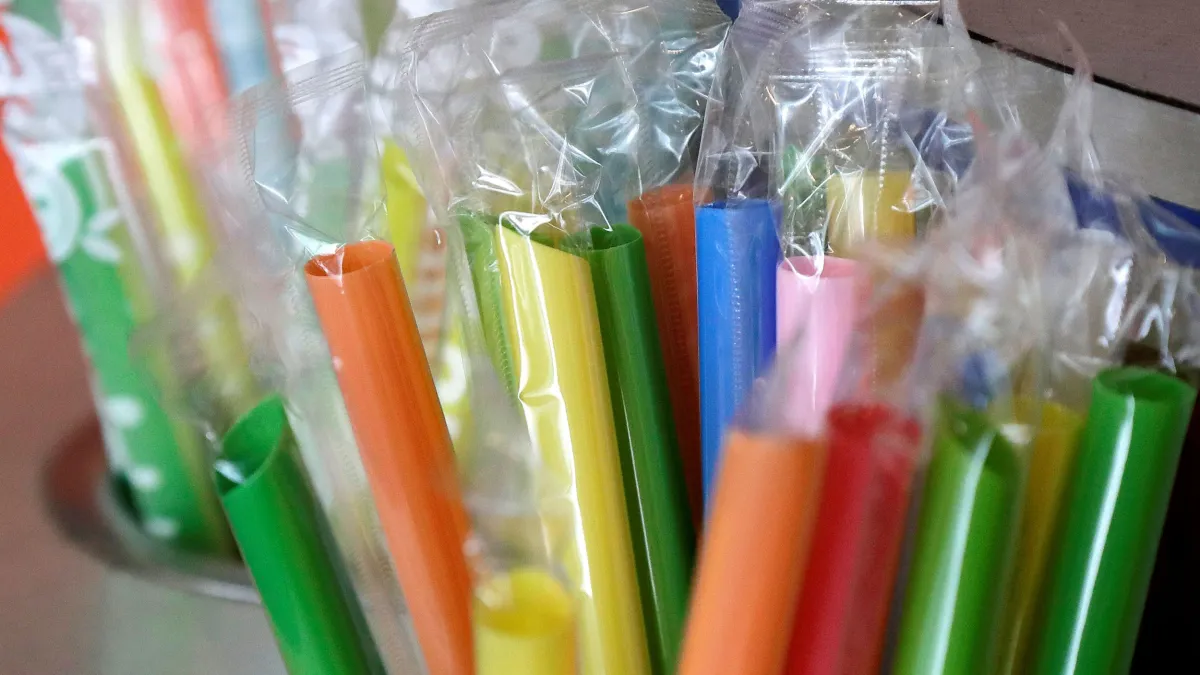
Plastic straws had a smaller environmental footprint than paper, bio-based and biodegradable alternatives in most categories measured, according to a South Korean government-commissioned study that found paper straws scored 6.33 times higher than plastic on a modeled measure of human carcinogenic impact.
The life-cycle assessment, commissioned by South Korea's Ministry of Climate, Energy and Environment, was disclosed on October 21 by Rep. Kim Wi-sang of the conservative People Power Party, a member of the National Assembly's Environment and Labor Committee, The Korea Herald reported. It compared four types of straws, conventional plastic, paper, biodegradable plastic and bio-based polyethylene (bio-PE), across 16 environmental impact categories, from raw material production to disposal.
The Cancer Figure Measures Pollution, Not Sipping
The headline number needs context. The researchers stressed that the carcinogenic impact score is calculated through a life-cycle model to estimate the toxic burden that production and disposal place on the environment. It does not measure the direct cancer risk to people who drink through a paper straw.
The model assumed, based on South Korea's national waste statistics, that 73.6% of discarded straws are incinerated and the remaining 26.4% go to landfill. The study ran from May 2025 to April 2026, according to broadcaster SBS.
Plastic Ranked Least Harmful In 10 Of 16 Categories
Conventional plastic straws had the smallest negative impact in 10 of the 16 categories, including climate change, acidification, particulate matter and human toxicity. They ranked worst in only one, fossil resource depletion, SBS reported.
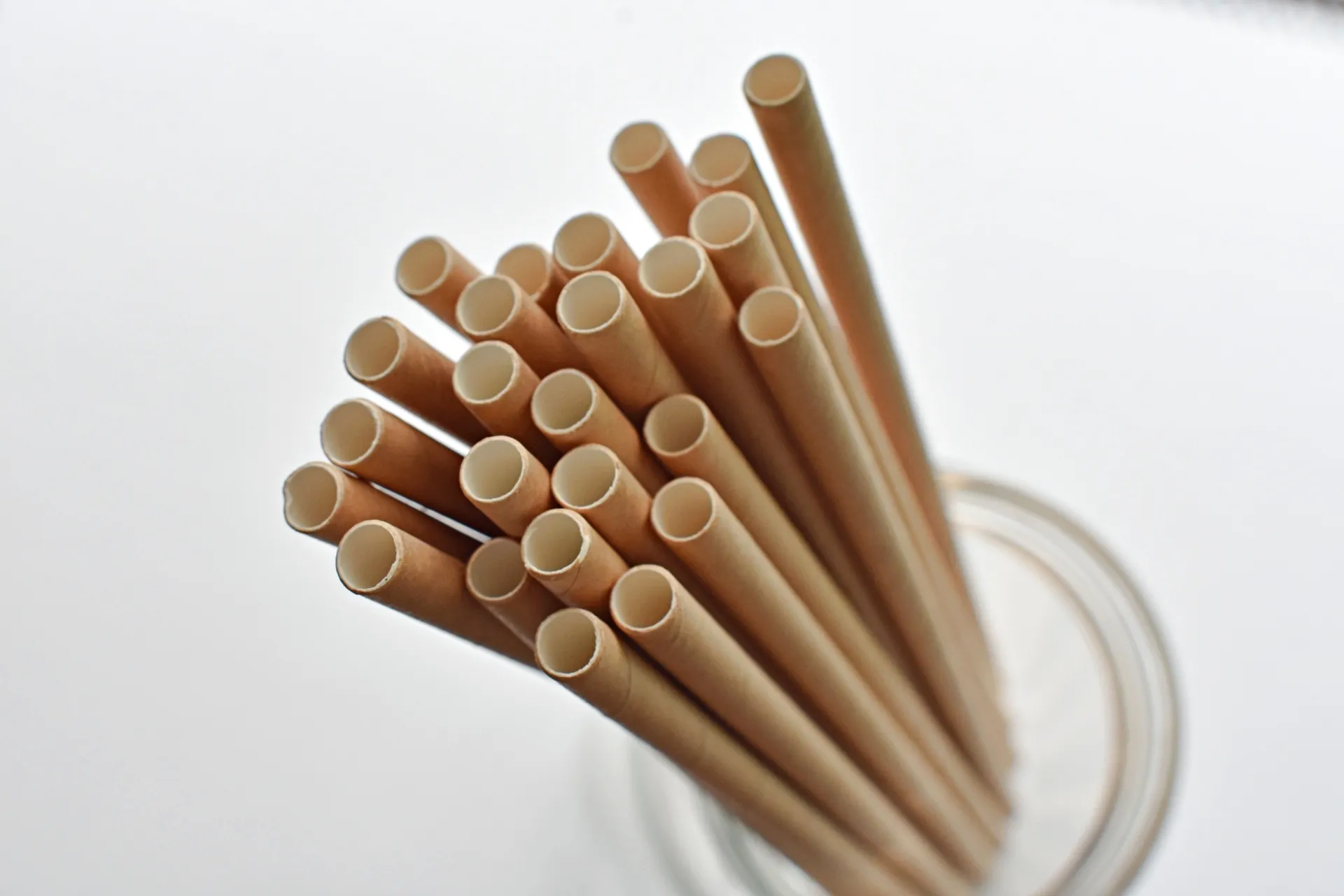
Paper straws fared worse on several counts. Beyond the carcinogenic score, their acidification impact, which contributes to acid rain and soil acidification, was 2.04 times that of plastic. Their particulate matter impact was 1.62 times higher, and they ranked worst of the four materials in three categories, including mineral resource depletion.
Bio-PE straws, marketed as made from plants such as sugarcane, performed worst overall. Their carcinogenic impact was 16.18 times that of conventional plastic and their acidification impact 5.9 times higher, and they ranked as the most damaging material in 10 categories, including ozone depletion, acidification and smog. Although bio-PE is made from plant sources, it is chemically identical to conventional polyethylene and does not biodegrade, unlike biodegradable plastic.
Biodegradable plastic straws landed in between, with a carcinogenic impact 3.34 times and an acidification impact 1.98 times that of conventional plastic. They ranked worst in two categories.
No Straw Material Is Easy To Recycle
The study also challenged the idea that paper straws are a recyclable choice. Although they are often promoted that way, straws of every material are very hard to recycle in practice, the researchers found. They are too small for sorting equipment at recycling facilities to separate, and the waterproof coatings and adhesives on paper straws get in the way of pulp recycling.
The researchers recommended that the government and businesses stop handing out disposable straws of any material by default and provide them only when customers ask.
The study also surveyed 1,001 South Koreans. Of them, 87.5% said they prefer plastic straws, while 54.4% supported a policy of providing straws only on request and 18.4% opposed it.
Seoul's Straw Ban Has Already Stalled
South Korea restricted single-use plastic straws at cafes and restaurants in November 2022, but after public complaints and doubts about the alternatives, the government in November 2023 indefinitely extended the grace period for enforcing the rule, effectively shelving it.
Kim said the findings show the policy has failed. "The government must acknowledge the failure of its greenwashing policy," he said, adding that "policy should focus on reducing the overall use of disposable products."
The debate is not unique to South Korea. U.S. President Donald Trump signed an executive order in February 2025 reversing federal policies that favored paper straws, declaring, "We are going back to plastic straws," The Korea Times reported at the time. (Related: From Cheap Gas to Costly Plastic: The Inconsistencies of Taiwan’s Consumer Policy | Latest )
Taiwan, home of bubble tea, has its own restrictions. Starting July 1, 2019, government agencies, schools, department stores and fast-food chains were barred from giving single-use plastic straws to dine-in customers, a rule covering about 8,000 outlets when it took effect, Taiwan News reported. Taiwan was using about 3 billion plastic straws a year at the time.