A senior official at China's state-backed Tibetan studies institute has told the country's Tibetology journals to "move beyond existing Western theoretical frameworks" and to use scholarship to push back against international criticism of Beijing's rule in Tibet, giving academic research on the region a more openly political assignment.
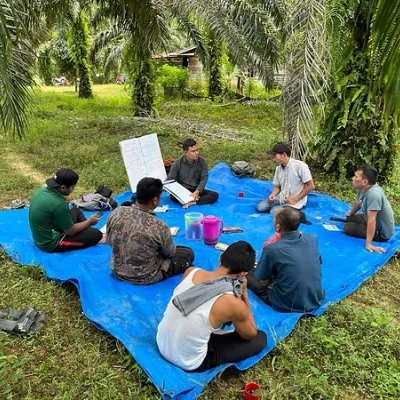
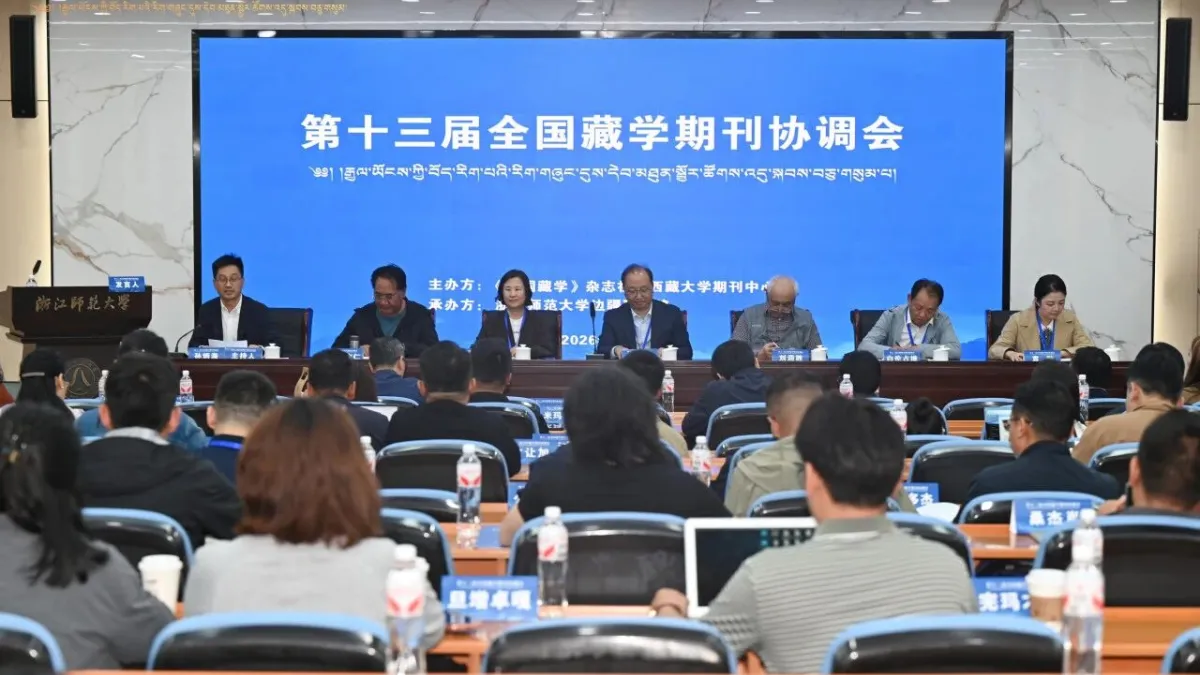
Zha Luo, deputy director-general of the China Tibetology Research Center, delivered the message in his opening address to the 13th National Tibetology Journals Coordination Meeting, held on October 16 at Zhejiang Normal University's Xihu campus. More than 50 scholars and editors representing over 30 journals and institutions attended, coming from Beijing, Tibet, Inner Mongolia, Sichuan, Qinghai, and other regions. The meeting's theme was building "an independent Chinese system of knowledge in Tibetology."
Zha Luo Tells Editors To Answer The Opinion Battle
Zha told editors that research must "adhere to the main thread of forging a strong sense of community for the Chinese nation," a signature phrase of President Xi Jinping's ethnic policy, and should draw its key concepts from the history of contact among the peoples of the Qinghai-Tibet Plateau and from modernization in Tibetan areas, rather than from theories developed abroad. He urged journals to promote what he called a major proposition: that "the homeland of Tibetology is in China."
He also set out a to-do list for the journals. They should set research agendas themselves rather than follow outside debates, coordinate more closely between Chinese-language and Tibetan-language publications, and cultivate younger scholars. Most pointedly, he asked them to "actively serve external academic narratives, and use academic means to respond to the contest of public opinion in Tibet-related fields."
The language marks a shift in tone. At the 11th edition of the same meeting in July 2024, Zha's recommendations centered on political awareness, studying Xi Jinping Thought on Culture, editorial standards, and new technology, with no reference to Western frameworks or public opinion battles, according to a comparison published by the overseas Chinese news site Molihua.
Two Anniversaries Frame Beijing's Push
The meeting came 10 years after Xi convened a 2016 symposium on philosophy and social sciences, where he called for China to build its own system of academic knowledge rather than rely on Western paradigms. Since then, "independent knowledge systems" have become a recurring goal across Chinese universities and think tanks.
This year also marks the 40th anniversary of the China Tibetology Research Center, which was founded in Beijing on May 20, 1986. Xi Zhongxun, Xi Jinping's father and then a senior Communist Party leader, spoke at its founding. The center was given two stated purposes from the start: to serve national unification and ethnic solidarity, and to serve development and stability in Tibet and in the Tibetan areas of Sichuan, Qinghai, Gansu, and Yunnan provinces.
In a long article in the party newspaper Guangming Daily on June 3, the center's director-general, Zheng Dui, said the institution had worked to change the pattern of "the West strong, China weak" in Tibetology, and he listed expanding "the international influence and international communication effectiveness of Chinese Tibetology" as a priority. Read together with Zha's remarks, the goal is plain: Beijing wants its scholars to win the argument over Tibet abroad, not only at home.
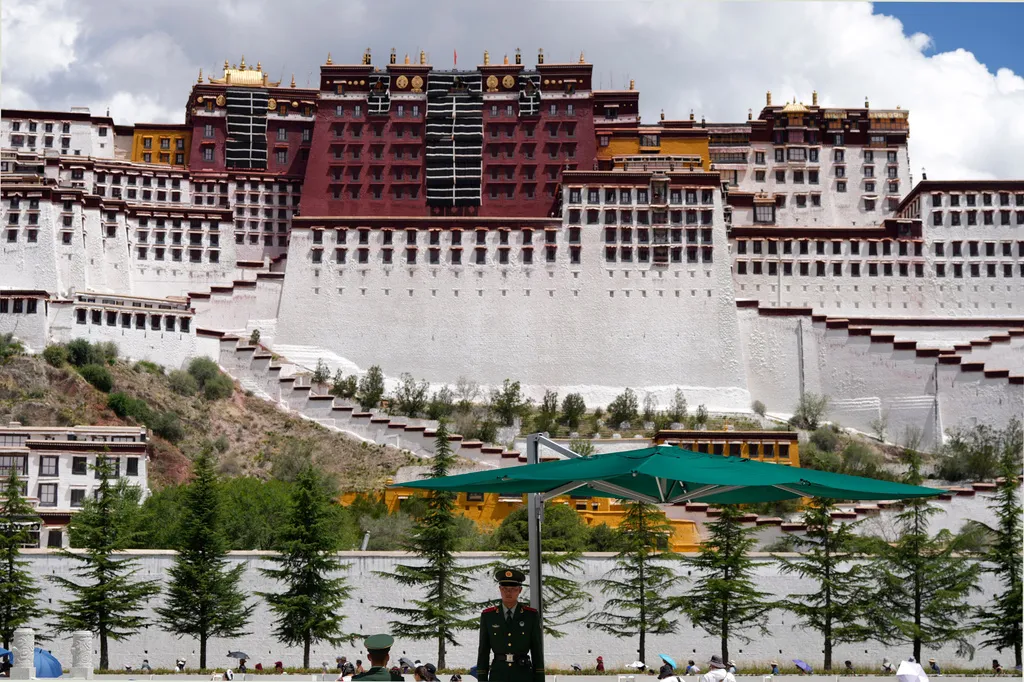
Why Tibet Remains A Contested Narrative
Few subjects carry as much political weight for Beijing. Tibet sits at the center of disputes over historical sovereignty, ethnic identity, religion, language, and human rights, and these debates play out among the Chinese government, Western governments, international rights groups, and the Tibetan exile community based in Dharamsala, India. Beijing has also increasingly used the name "Xizang" in its official English-language materials in place of "Tibet."
The stakes have risen as the question of the Dalai Lama's succession approaches. In July 2025, the Tibetan spiritual leader said the institution would continue after his death and that his office alone would have authority to recognize his reincarnation. Beijing insists any successor must be approved by the central government, setting up a contest over legitimacy in which historical scholarship is likely to be used as evidence by both sides.
Scholarship And Propaganda Answer To Different Tests
Questioning Western-centered scholarship is not illegitimate in itself. No theoretical tradition is universal, and Tibetan studies depends on Tibetan-language sources, local records, archaeology, religious traditions, and the lived experience of Tibetan communities, not on any single school of thought.
But replacing one framework with a state-defined narrative is a different exercise. The credibility of research rests on reliable sources, transparent methods, peer review, and a willingness to engage with evidence that cuts against one's position. When journals are directed to respond to specific public opinion disputes, the line between policy needs and academic independence becomes harder to hold, and international readers are likely to weigh the findings accordingly.
Academic journals offer Beijing something direct propaganda cannot: arguments built on archives, archaeological finds, fieldwork, and statistics that, once translated and published abroad, can enter the reading lists of foreign universities, research institutes, and policy circles. Turning domestic output into international influence, however, will depend on open archives, academic translation, and sustained exchange with scholars who disagree, rather than on policy declarations.
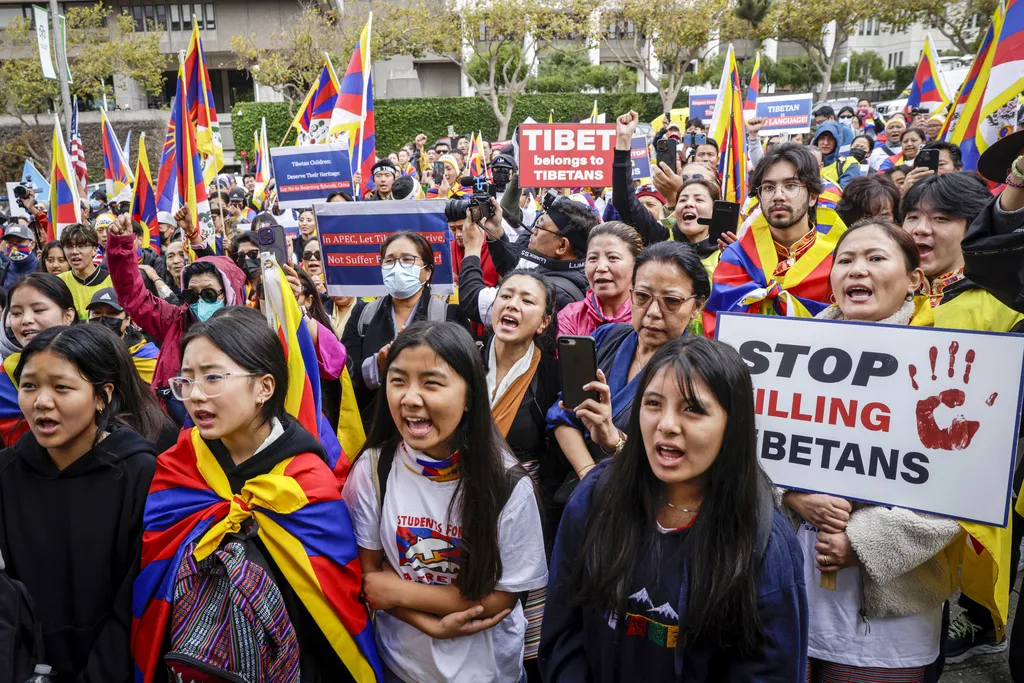
The Narrative Push Reaches Beyond China's Borders
The instruction to Tibetology journals fits a wider effort to codify Beijing's account of national identity. China's Law on Promoting Ethnic Unity and Progress, which took effect on July 1, 2026, is built around the same "sense of community for the Chinese nation," refers directly to Taiwan, and contains an extraterritorial clause that Taiwan's Mainland Affairs Council and Tibetan exile groups have warned could be used against critics overseas.
For Taiwan, where Tibetan and Uyghur exile groups regularly hold demonstrations in Taipei, the message is that Beijing increasingly treats history and scholarship as fronts in the same struggle over sovereignty and identity that shapes its approach to the Taiwan Strait.
(Related: Beijing Watch | China's New Ethnic Unity Law Raises Alarm Over Cross-Strait Reach | Latest )