Abroad, Hsinchu means chips. Its mayor wants the world to see what sits beside the fabs: a 300-year-old walled town, a coastline, and a food scene that even many Taiwanese once wrote off as a desert.
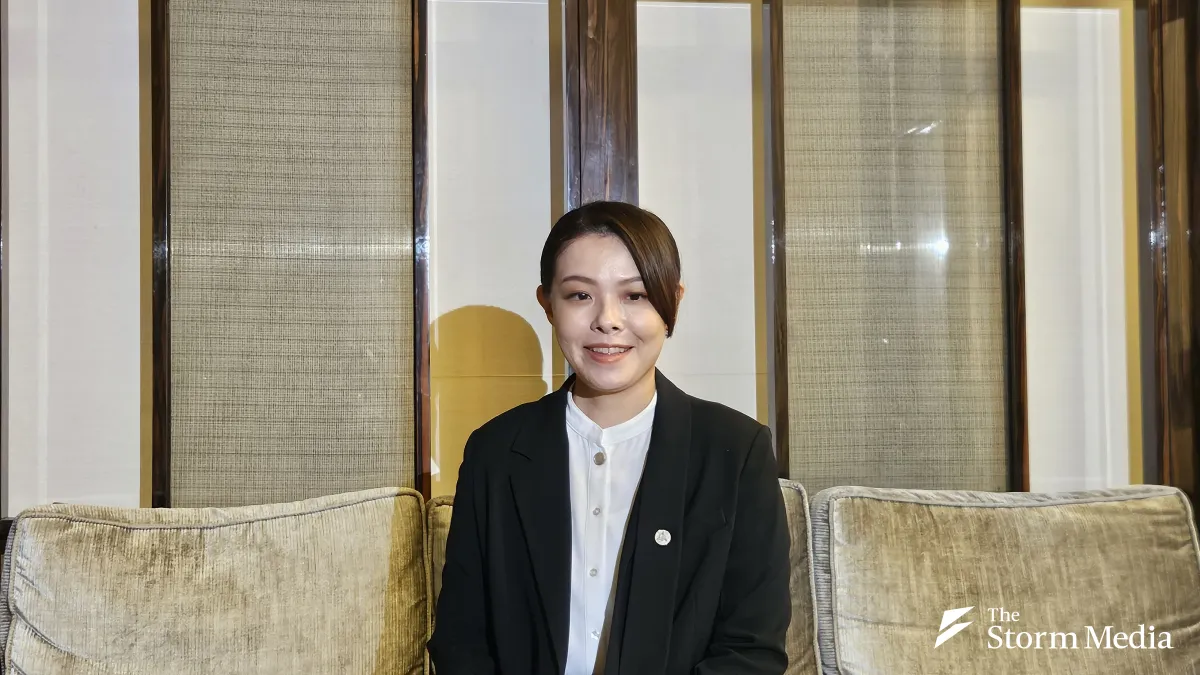
Hsinchu Mayor Kao Hung-an is not trying to shed her city's identity as the home of Taiwan's semiconductor industry. She wants to add to it. In an exclusive interview with Storm Media's English-language site on October 19, 2026, she made the case for the city's historic core, its hills, lakes, and sea, and its local food as reasons for international travelers to visit.
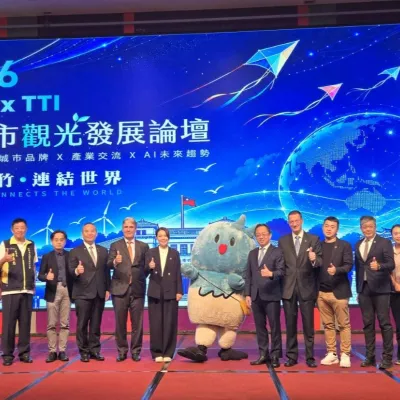
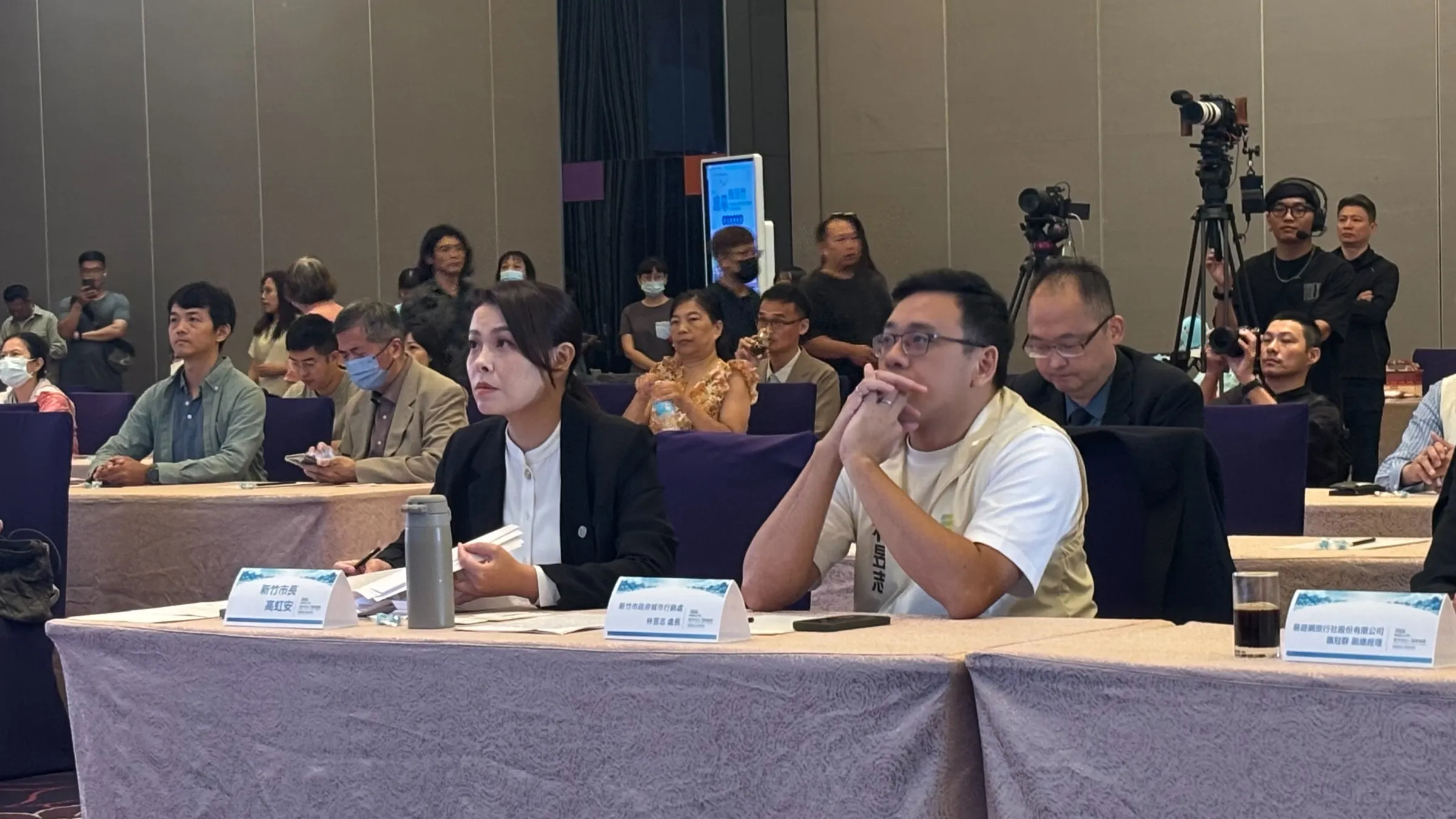
Kao spoke during the 2026 HCCG × TTI Hsinchu City Tourism Development Forum at the Fleur Lis Hotel, hosted by the city government with the Taiwan Tourism Institute (TTI) as co-organizer. Kao and TTI President Jeffrey S.P. Yang both addressed the forum, which focused on how the city can turn its technology strengths into an international travel draw.
Hsinchu, about 70 kilometers southwest of Taipei, is home to Hsinchu Science Park and the headquarters of Taiwan Semiconductor Manufacturing Co. (TSMC), the world's largest contract chipmaker. Kao does not dispute what that means for the city's reputation.
"It's true that when the world looks at Hsinchu, it mostly sees a city that matters enormously to semiconductors," she said. "But Hsinchu also has many important cultural and natural assets."
A City Hall That Is Itself A Century-Old Landmark
Kao described Hsinchu as a 300-year-old cultural city with the highest density of historic sites in Taiwan. Many of them sit within walking distance of one another in the Old Town District, and visitors can also reach them by sightseeing bus.
Her first example was her own workplace. The Hsinchu City Government operates out of the former Hsinchu Prefecture Hall, a building more than a century old. Around it, the old city moat and the East Gate still trace the outline of Zhuqian, the walled town that preceded modern Hsinchu.
"We hope our heritage and culture can become another calling card for our city," she said.
Mountains, Lakes, And Sea In One Small City
Kao's second argument was the landscape. "We have mountains, lakes, and the sea," she said. "It's a small city, but it brings all these different faces together. I think that is one of Hsinchu's great features."
The city government's written materials list Eighteen Peaks Mountain, Green Grass Lake, Siangshan Wetland, and a 17-kilometer coastline as the anchors of that landscape.
In her telling, most people do not arrive in Hsinchu as tourists. "Many people may first come to Hsinchu for work or for school," she said. "But as they slowly settle into life here, they discover that Hsinchu has many wonderful places."
Record Visitor Numbers, Driven Mostly By Domestic Travel
Hsinchu recorded 18.47 million visits in 2025, which Kao called a record for the city. Figures the city government released on October 19 put the increase at about 15% from the previous year, with Hsinchu Park drawing 3.86 million visits and Hsinchu Fishing Port 2.25 million. Hotel occupancy reached 67.03%, second in Taiwan only to Taipei.
Asked whether that growth came from domestic or international travelers, Kao said domestic visitors still dominate. Among international arrivals, she said, business travelers make up a large share, and the city wants to turn them into leisure guests.
"Whether people come for business or for other reasons, we hope to turn that into tourism, perhaps a return visit or a second trip," she said.
Japan is the largest foreign market, accounting for about 47% of foreign hotel guests, according to the city's written response, a share the city says is the fourth highest in Taiwan. Southeast Asian travelers and business visitors from Europe and the Americas follow. Kao attributed Japan's lead to Japanese travelers' fondness for historic sites and to Hsinchu's long-running exchanges with Japan in glass art.
Domestic Incentives At Home, A Hsinchu Way Brand Abroad
The city launched a package of travel incentives on October 1 aimed mainly at domestic visitors. According to the city, they include the Hsinchu Wind PASS, a city travel pass starting at NT$499 that bundles Green Grass Lake, Siangshan Wetland, and glass art experiences; weekday hotel discounts of up to NT$1,000 per room; and a NT$500 per person incentive for travel agencies bringing groups of 10 or more.
"The idea is that when visitors arrive in Hsinchu, they know where to go, or they have an incentive to stay a little longer," Kao said.
Asked what the city is doing specifically for foreign travelers, Kao pointed to a travel magazine published this year in English, Japanese, and other editions, a promotional video aimed at a global audience, and joint overseas promotion with local tour guide and travel associations.
Under its new Hsinchu Way brand, the city held its first overseas B2B tourism showcase in Singapore in August, meeting 52 local travel companies, and took part in Tourism EXPO Japan in Tokyo in September, according to the city. Its written response also highlighted Hsinchu Pass, the city government's municipal services app, which it said has been downloaded more than 240,000 times, and an official tourism website now available in Chinese, English, Japanese, and Korean.
Shedding The Food Desert Label
Asked which side of Hsinchu international travelers know least, Kao chose food. "Many people, even in Taiwan, have labeled Hsinchu a 'food desert,'" she said.
The city has spent recent years promoting local eateries, she said, and its restaurants have earned Michelin Guide recommendations. According to the city's written response, Hsinchu was included in the Michelin Guide Taiwan for the first time last year, with seven restaurants receiving Bib Gourmand recognition. Rice noodles and pork balls, known locally as gongwan, have long been the city's signature foods.
"Hsinchu isn't only about attractions or historic sites," Kao said. "The food is delicious too, and we have many snacks with a century of history. I really hope people will get to know them and come support the people of Hsinchu."
The Next Test Is Converting Business Travelers
Kao's pitch is additive. The chip identity stays, and heritage, landscape, and food are layered on top of it.
The figures she cited also show that the international side of that story is still early. Asked for the share of international travelers, Kao gave Japan's share of foreign hotel guests but not an overall figure for international visitors or a target.
The most immediate international audience is already in town. The city's own forum materials describe the goal as turning Science Park business visitors from people on work trips into city travelers. Whether the Singapore showcase and the Tokyo expo translate into more foreign overnight stays will be the clearest measure of that shift. (Related: Exclusive | Europe to Taiwan's Chip Hub: Sell Weekends, Not Just Chips | Latest )