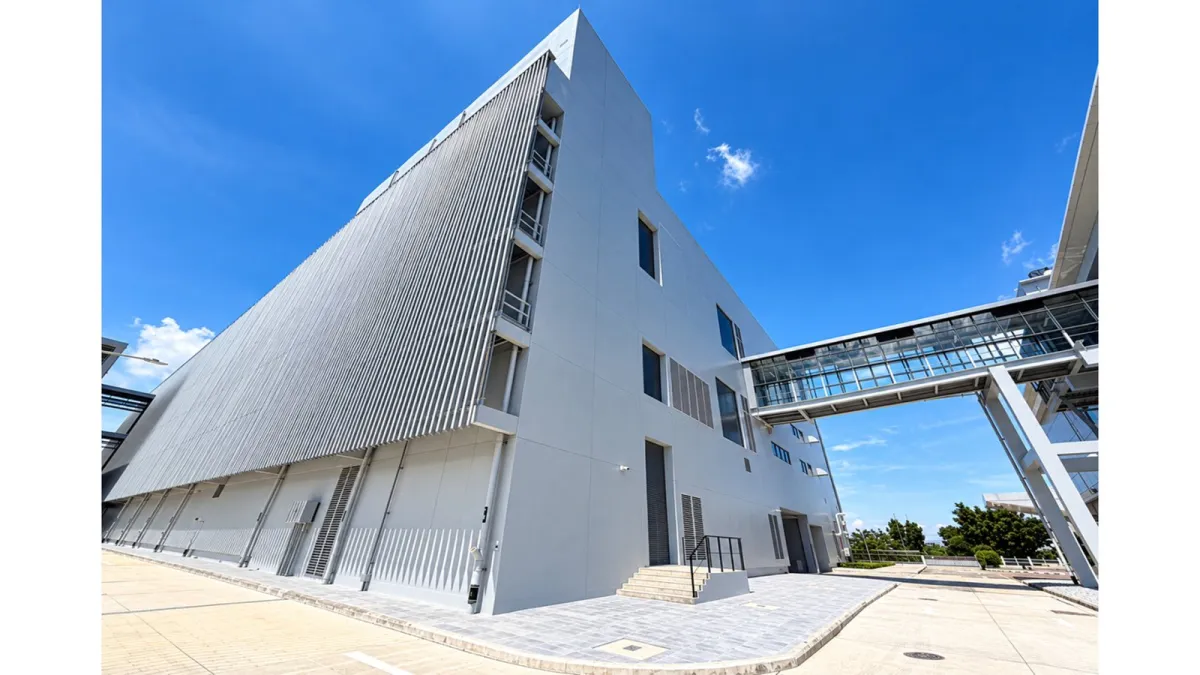
Taiwan's AbonMax has approved an investment of up to about US$20 million (NT$650 million) to build an AI computing center in Thailand, laying local infrastructure ahead of a broader commercial push into Southeast Asia's drone and smart logistics markets.
The board-approved spending, expected to be completed within one year, is part of a strategy the company describes as "computing infrastructure first, product deployment second, service model extension third." AbonMax has already signed cooperation agreements with Southeast Asian clients covering computing scheduling platforms and AI processing applications, a step the company says marks its transition from market development to actual commercial deployment in the region.
Local Computing Power Comes Before Drone Sales
The investment rationale centers on a gap the company has identified between AI hardware delivery and usable service. AbonMax argues that AI-enabled drones rely on real-time data processing for autonomous flight, image recognition, environmental sensing, and mission execution, so a lack of local computing capacity could become a critical bottleneck once products reach market scale.
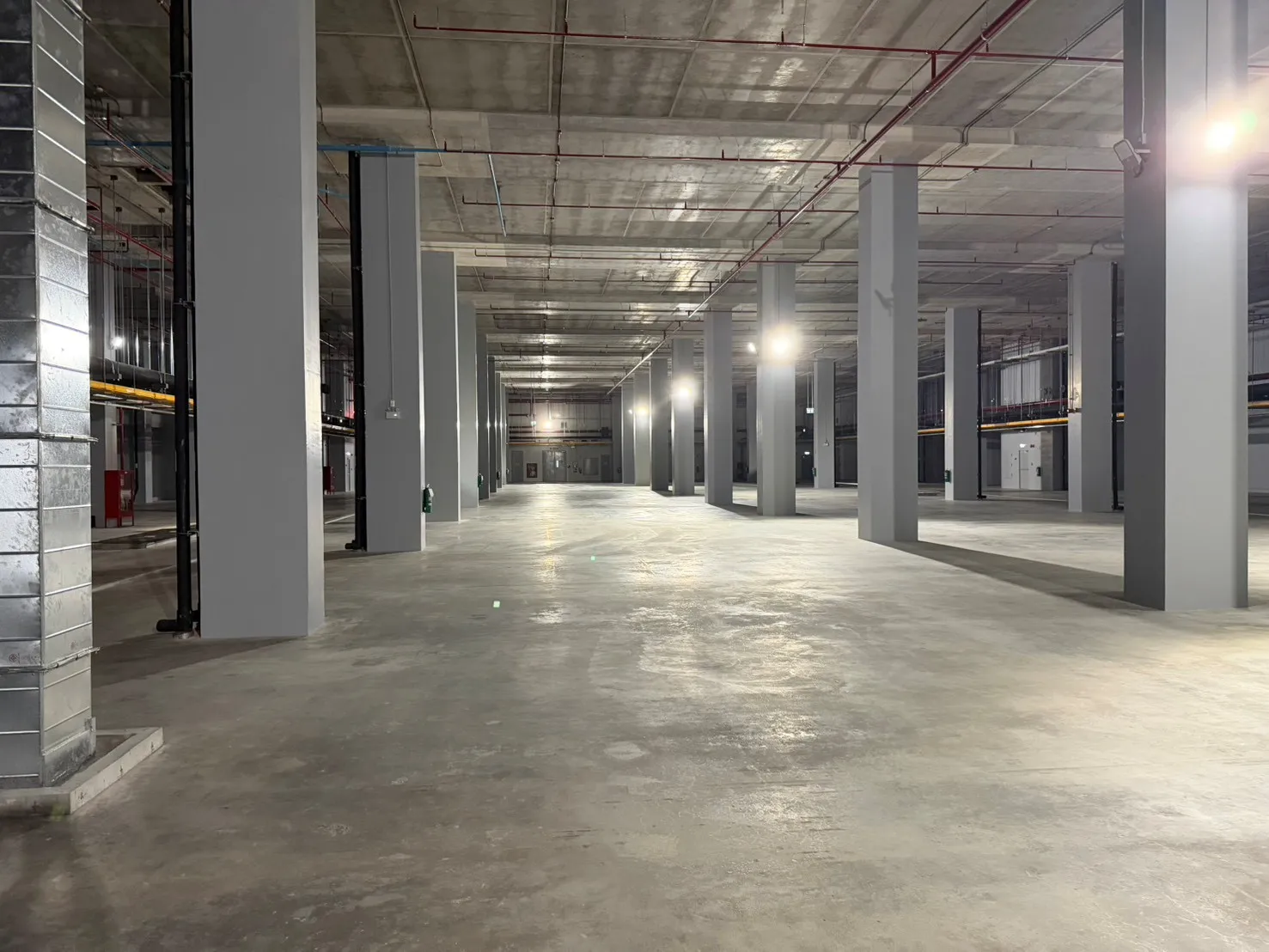
Global supply chain volatility in electronic components adds further risk, the company notes: if AI products are sold into a market that lacks the necessary computing environment, follow-on services and product performance could suffer. By building Thai computing capacity before large-scale product sales begin, AbonMax says it aims to lower infrastructure barriers when its products formally enter the market.
AbonMax Plans A Value Chain From Data Center To Field
The core of the strategy, according to AbonMax, is not simply adding raw computing capacity but building an integrated value chain that combines AI computing, drone hardware, AI applications, and localized services. As its drones enter Southeast Asian markets, the company envisions the Thai computing base providing AI image analysis, intelligent mission planning, and data processing, linking hardware products to back-end AI capabilities.
AbonMax is targeting a wide range of potential uses across Southeast Asia, including smart agriculture, medical supply delivery, disaster response, infrastructure inspection, and logistics. Its stated model aims to shift revenue from one-time equipment sales toward system integration and recurring AI service contracts.
Investors Will Watch For Orders And Revenue
The more immediate question for investors and market watchers is whether the Thai computing infrastructure will translate into concrete drone and AI product orders, overseas deployments, and measurable revenue, rather than remaining a preparatory investment on the balance sheet.
AbonMax's broader position is that cloud computing supports AI model deployment while edge AI drives end-product performance, with the Thailand facility serving as the foundation before products scale across Southeast Asia. In the company's framing, drones are the main commercial vehicle for carrying AI capability out of data centers and into industrial applications on the ground.