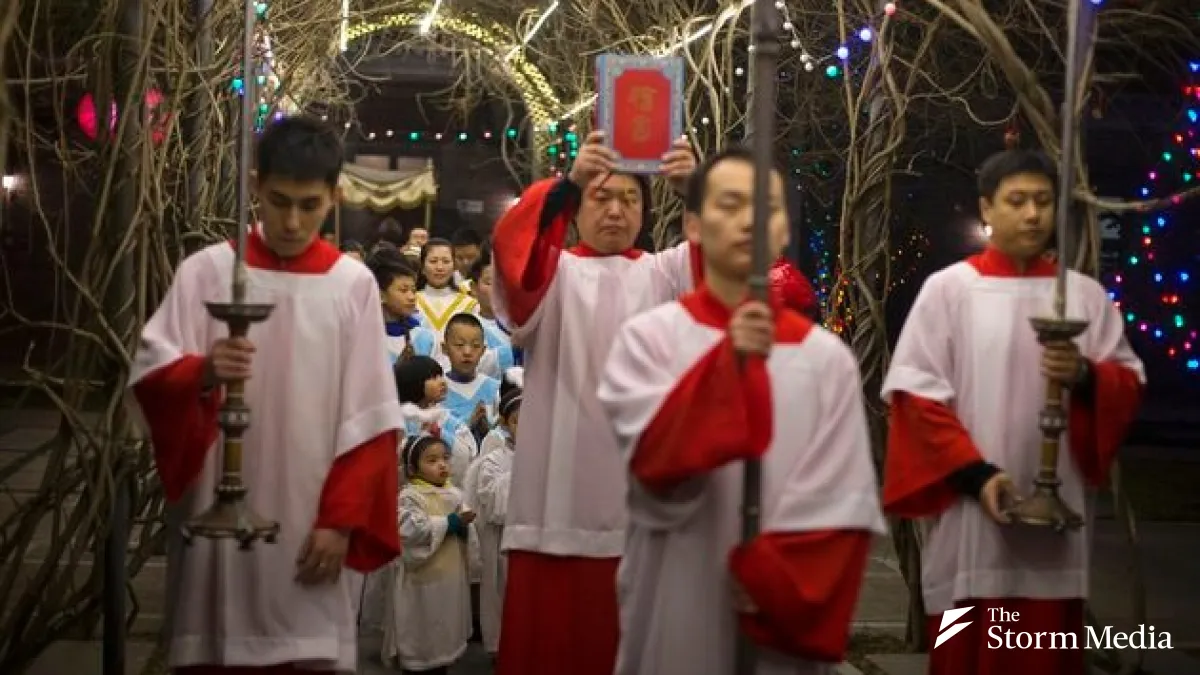
Ding Zuyao, 40, was ordained bishop of Haimen in China's Jiangsu province on October 15, becoming the country's youngest Catholic bishop and the fifth bishop consecrated in China in about three months.
The run of appointments suggests that what Beijing and the Vatican both want may be less a single new bishop than leadership arrangements that can keep dioceses stable for decades.
Ding Zuyao Breaks A Record Set Only Months Ago
Ding, who was born in August 1986, received episcopal ordination in the city of Nantong, beating the record set by Chang Yanfeng, who became bishop of Chifeng in Inner Mongolia at 42. About 400 priests, nuns, and lay Catholics attended the ceremony, which was led by Bishop Joseph Shen Bin of Shanghai, president of the Bishops' Conference of the Catholic Church in China, the state-sanctioned body that oversees the church on the mainland.
Ding is no sudden arrival. He studied philosophy and theology at a Catholic seminary in Beijing, was ordained a priest in 2011, and served in several parishes in the Haimen diocese before becoming deputy secretary-general of the Jiangsu Catholic Church Affairs Commission. He was elected bishop-designate of Haimen in May. On August 24, Pope Leo XIV approved his candidacy and appointed him bishop, and his ordination followed in October. That path, from parish priest to diocesan leadership, offers a view of how the Chinese church is grooming a new generation of clergy.
The two sides did not describe the appointment the same way. The Holy See said the pope had appointed Ding after approving his candidacy under its provisional agreement with China, while a statement from the diocese made no mention of the pope and instead cited approval from the Chinese Bishops' Conference, according to the Catholic news site InfoVaticana.
Five Consecrations In Three Months Fill Empty Dioceses
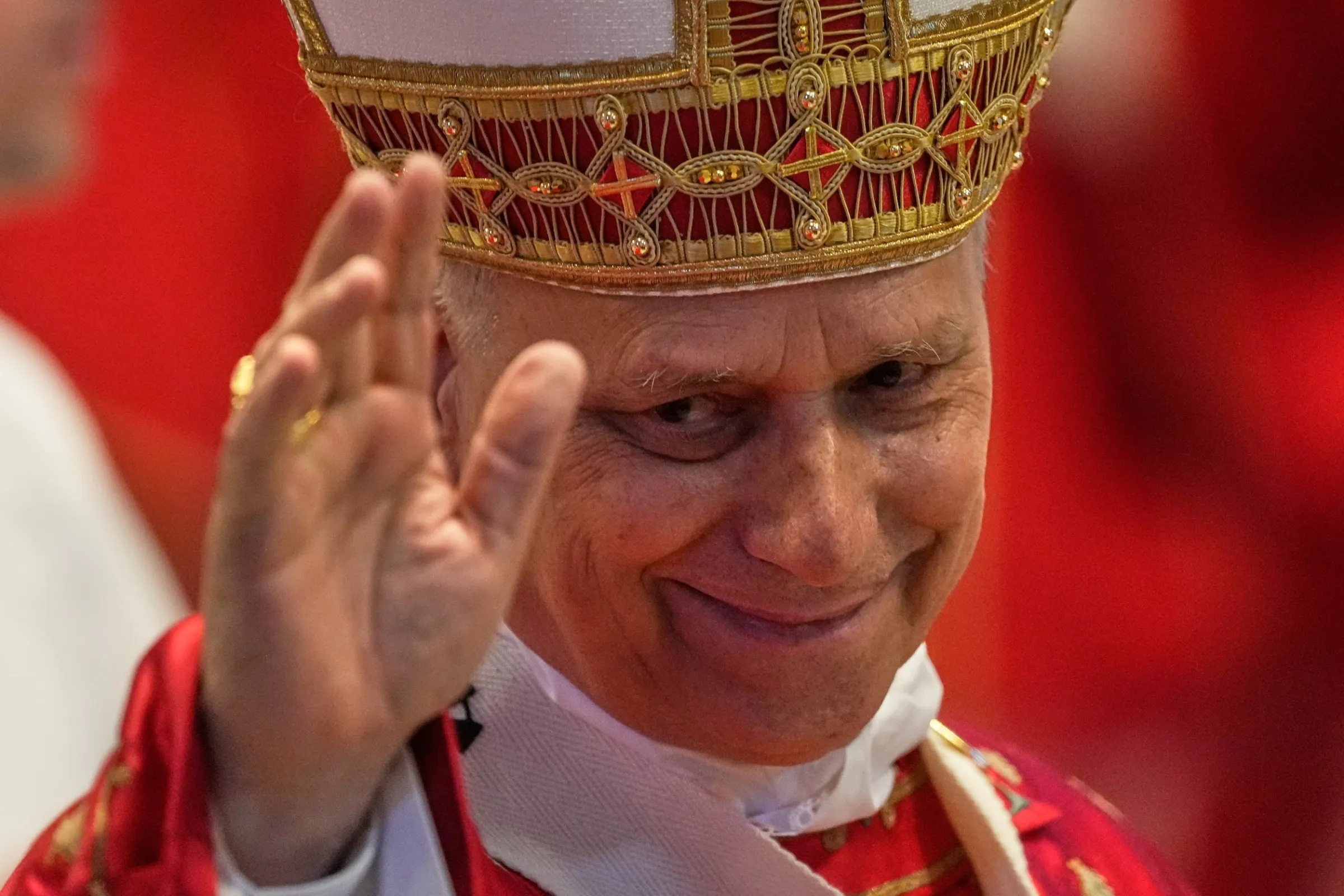
Over the past three months, China has consecrated five bishops or auxiliary bishops across the dioceses of Chifeng, Bayannur, Datong, Chongqing, and Haimen. In late July, Chang Yanfeng was ordained bishop of Chifeng and Duan Yongkun auxiliary bishop of Bayannur. Liu Honggang became bishop of Datong at the end of August, and Ding Yang bishop of Chongqing in early September. Ding Zuyao's ordination has drawn fresh attention to the trend.
A cluster of ordinations does not by itself prove that the Chinese church is undergoing a full generational handover, and five cases are not enough to conclude that Beijing has adopted a uniform policy of appointing younger bishops. From the standpoint of diocesan governance, however, the appointments share a practical purpose: making sure leadership posts are filled and reducing the uncertainty that comes with long vacancies.
A bishop is not simply an administrator. In the Catholic system, the bishop is responsible for pastoral care, the management of clergy, and church affairs in the diocese, and his appointment involves both local governance and the religious authority of the Holy See. Whether candidates can be chosen, appointed, and consecrated smoothly is therefore a key test of whether the church's institutions can keep functioning.
Vatican Deal Keeps Appointments Moving Despite Disputes
The wave of younger appointments is no accident in the context of China-Vatican relations. Since the two sides signed a provisional agreement in 2018, they have handled bishop appointments through a process of consultation and consensus: the Vatican accepts candidates put forward through China's official channels, while China formally respects the pope's final authority to appoint. The deal has been extended several times and its implementation has at times been contentious, but the recent string of younger bishops suggests the two sides agree at least on keeping dioceses running without interruption.
The full text of the agreement has never been published, so outsiders cannot fully see how the negotiations work or what each side has committed to.
The relationship matters to Taiwan as well, since the Holy See is Taipei's only diplomatic ally in Europe.
Bishops Who Could Serve Decades Bring Stability And Control
The Chinese church has long lived with a basic institutional tension. Beijing insists that religious affairs be run independently and manages the church through the Chinese Catholic Patriotic Association and the Bishops' Conference, while the Vatican regards the appointment of bishops as a core papal power. Who selects a bishop, who approves him, and whether both sides recognize the appointment have remained among the most sensitive issues in the relationship.
The church also faces structural problems, including an aging clergy and the long-standing split between the underground church and the officially recognized church. Choosing bishops in their early 40s means they could lead their dioceses for 20 or 30 years. That secures the long-term influence of the official Patriotic Association system and lowers the risk that an older bishop's ill health or a sudden vacancy will force another round of sensitive negotiations.
Youth does not automatically bring vitality. The Chinese church remains under tight political and administrative control, the Patriotic Association and the Bishops' Conference retain their roles, and the space for underground Catholics continues to shrink.
The open questions are whether this new generation of bishops can keep their dioceses functioning for decades to come, and whether Beijing and the Vatican can turn agreement on individual appointments into more stable, lasting institutional cooperation.
(Related:
Pope Leo XIV Calls for Disarming AI in Landmark Encyclical on Humanity and Technology
|
Latest
)