Independent Chinese economist Andy Xie (謝國忠) says France's mounting debt could set off Europe's next crisis in the fourth quarter, sending the euro down as much as 10% and lifting the US dollar index to 105.
"Europe may soon face a crisis, and France has become the trigger," Xie, a former chief Asia-Pacific economist at Morgan Stanley, told The Journalist (新新聞), Storm Media's sister magazine, in an interview on October 13. His warning to Taiwanese investors came three months after he correctly called a rise in US borrowing costs that most forecasters did not expect.
On July 7, when mainstream opinion held that US policy rates would stay put for the rest of the year, Xie predicted the Federal Reserve would raise rates twice in the second half, by 25 basis points each time. With the 10-year Treasury yield then hovering around 4.5%, he said it would push toward 5%. It now stands at about 5.1%.
Xie Says France's Debt Is Worse Than Greece's Was
Xie traced the danger back to the sovereign debt crisis of 2010, when Greece, Spain, Italy, Portugal, and Ireland ran into trouble. Other European countries kept piling up debt afterward, he said. "When interest rates were low, there was no sense of fear. But now that rates have gone up, you enter a vicious cycle, because the market can see you can't pay the money back."
France's public debt is approaching 120% of gross domestic product. "That's worse than Greece was back then, and the scale is enormous, because France's GDP is 10 times the size of Greece's," Xie said. "With rates going up, it's hard to see how France can sustain this."
He put France's fiscal deficit at 5.4% of GDP, with almost no economic growth. The International Monetary Fund estimates French growth this year at 0.4%. "This isn't just France's problem. France stands out because it's bigger, but other European countries have similar problems," he said.
German Complaints Would Signal A Falling Euro
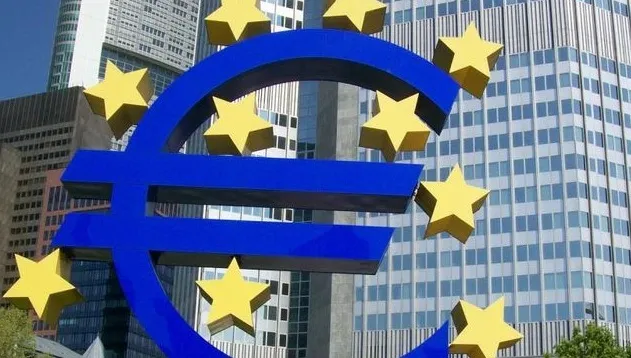
The biggest black swan for investors in the fourth quarter may come from France, Xie said, but there will be warning signs before a debt crisis breaks. He expects European Central Bank President Christine Lagarde, who is French, to eventually push the ECB into buying French government bonds.
"If you hear the Germans complaining that what the ECB is doing breaks the rules, you'll know right away that the euro is going to fall hard," he said. If events move in that direction, the euro could drop as much as 10% against the dollar.
Yen Steady, While Yuan, Won And NT Dollar Lean Stronger
Trouble in Europe would give Japan some relief. "Hedge funds may well turn their sights on Europe, so the yen can breathe easier for a while," Xie said. He expects the yen to trade sideways around 160 to the dollar in the fourth quarter without big swings.
For China's yuan, "the Chinese government still wants a slow appreciation," Xie said, since a sharp rise would hurt exports to developing countries. "Around 6.6 by the end of the year is about it," he said, meaning the currency would strengthen to no more than about 6.6 per dollar.
South Korea's won jumped 14.9% against the dollar in the third quarter as AI demand sent memory chip prices soaring. Xie, however, believes the peak has passed. "I think AI's moment in the spotlight is over. AI relies mainly on borrowing to buy chips and build data centers. In today's financial markets, it isn't easy to borrow that much money," he said. Because memory chip orders have already been signed, Korean makers will still book the revenue, so he expects the won to stay fairly firm in the fourth quarter but sees little chance of another big rally.
The New Taiwan dollar slipped 0.05% against the US dollar in the third quarter. As with the won, Xie thinks it is more likely to strengthen in the fourth quarter, though with AI past its peak, the room for gains is limited.
Major currencies against the US dollar in 2026
Note: Closing rates at 4 p.m. Taiwan time; the yuan rate is the 4:30 p.m. close. Source: Central Bank of the Republic of China (Taiwan).
A Stronger Dollar Is No Vote Of Confidence In America
With the euro likely to weaken and the yen stuck in a range, Xie expects the US dollar index to climb to 105 in the fourth quarter. "The dollar is rising not because America is doing well, but because everyone else is doing worse," he said.
A strong dollar does not mean a strong fourth quarter for US stocks. Record highs on Wall Street are being driven by a handful of stocks while most are doing poorly, Xie said, and the US faces a severe fiscal deficit while the Trump administration plans a large increase in defense spending. "America needs the whole world's money to fill its hole. Can money coming in from outside push the stock market up? I don't think those conditions exist right now," he said.
Xie Still Expects One More Fed Hike This Year
Xie stood by his July forecast, saying the Fed will raise rates by another 25 basis points before the end of the year. He views US inflation as a long-term structural problem that monetary policy cannot offset. "The US central bank is controlled by Wall Street," he said, so the Fed will not dare raise rates very high. "One more hike is just to comfort the market and make everyone feel the central bank cares about inflation. It's psychological warfare."
He said the United States may strike Iran again around the end of October. War in the Middle East does more than briefly disrupt oil supplies, he argued: once transport and production facilities are destroyed, they take a long time to repair, keeping energy prices high and pushing them higher. "Energy is the foundation of the economy. Rising energy prices drive everything," he said, calling it one of the main sources of US inflation pressure.
Labor is another. The Trump administration's hard line on illegal immigration has left the US short of cheap labor, and Europe faces the same squeeze, Xie said. He also argued that attitudes toward hard work have shifted in Western societies, even in Germany, describing the change as "a culture of inflation."
For Taiwanese investors, Xie said, the key is to recognize US inflation as "a long-term problem, an oil problem and a labor problem," and to understand that a Fed heavily influenced by Wall Street will not raise rates sharply enough to offset it.
Xie Sees The 10 Year Yield Topping 5.5% By Year End
Citing the jump in US defense spending, reduced Treasury holdings by Japan and China, and lingering inflation, Xie said there is a high probability that the 10-year Treasury yield will break above 5.5% before the end of the year, with 20-year and 30-year yields topping 6%. Historically, he noted, 5.5% or 6% is a normal level; rates only looked low because they sat near historic lows after the 2008 global financial crisis. "A whole generation has a different feel for interest rates," he said.
Japan has two goals, according to Xie: keeping its own 10-year government bond yield below 3% and keeping the yen from weakening past 160 to the dollar. Both require selling US Treasuries and bringing the money home. "As long as it keeps pulling money out, it can keep things stable," he said.
China, meanwhile, runs a trade surplus of more than $100 billion a month. "It keeps buying gold, doesn't want the trade surplus to get too big, and wants to buy more resources to stockpile at home," Xie said. Whatever Beijing buys, it will not add US Treasuries. "China is not going to rescue the US Treasury market."
Buffett's Treasury Bill Strategy Offers A Hedge
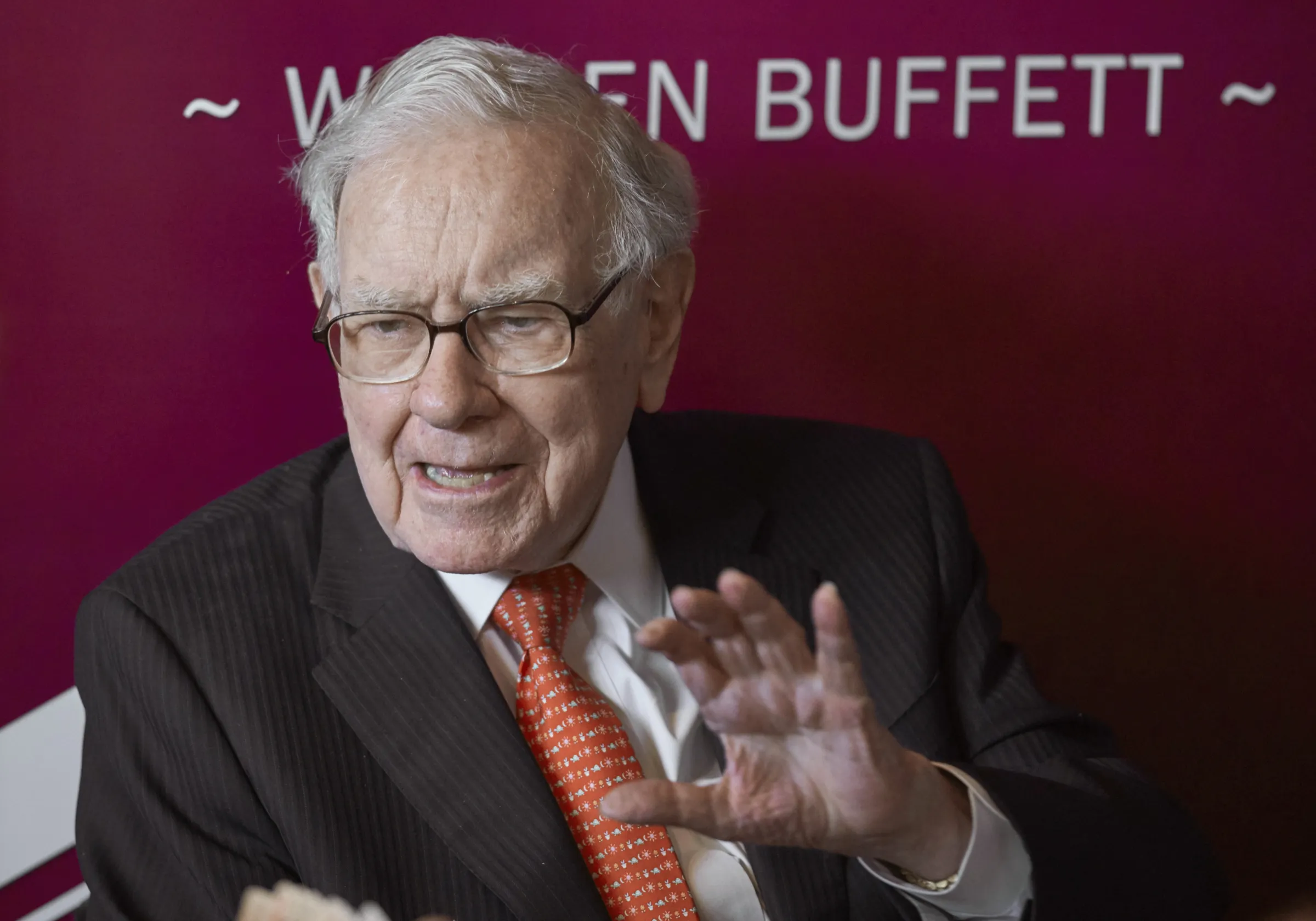
For Taiwanese investors worried about rising bond yields, Xie suggested following Warren Buffett, who likes to buy Treasury bills with maturities of three to six months. The yield on three-month US Treasury bills is already above 4%. "US inflation isn't at 4% yet, so if you buy them, you make a little in the short term and can hold on to the value of your investment for now," he said.
Xie Predicts A Democratic Sweep In The Midterms
With the US midterm elections set for November 3, Xie predicted the Democrats will win control of both the House and the Senate. "They'll take both," he said. Many people who backed Trump did not want war, he argued, yet the US is fighting a major one against Iran that has upended daily life. "A lot of people are angry, and they'll express it. If they don't vote for your people, they'll feel they've let off steam."
He does not expect the outcome to change much. "The Democrats and Republicans are basically no different. They're controlled by the same people, a group of very wealthy people who control the financial institutions," Xie said. Voters are told to switch to the left when the right fails and back again, he argued, but "that's a false choice," and Americans' lives have been getting worse for decades.
China's Birth Collapse Threatens Its Prosperity
China's economy is hot abroad and cold at home, with strong exports and weak domestic demand. Xie pointed to two core reasons. After the property market correction, "people no longer think a house will make them rich, so they want to save, and families would rather keep more money in the bank."
The deeper problem is structural. From the 1960s to the 1990s, China averaged more than 20 million births a year; last year there were fewer than 8 million. People used to treat raising children as a form of saving, Xie said. Without children, they save money instead, and rising deposits weigh on retail growth.

"China's leaders have a lot of problems to solve. They may not feel this one is urgent, and haven't realized that the cumulative effect is fatal," he said, noting that Russia has cut mortgage rates sharply for families with three children to encourage births. "When you're up high, you see grand things. You take a trip to the White House and talk to important people. But what matters most to a country is its people having children. If leaders don't put that first, any prosperity is fleeting."
Coal Stocks Stand Out In A Turbulent Market
For Taiwanese investors interested in China, Xie suggested looking at coal stocks in the fourth quarter. "Coal company share prices have been stuck in the middle for a long time," he said. With tensions in the Middle East threatening Saudi Arabia's oil production and shipping, energy markets could change dramatically, and new energy sources cannot fill an oil shortfall in the short term. "For chemical products, for example, or places that need diesel, you can only make it from coal."
Investors who want to make money in turbulent times, Xie said, need to think about energy.