Japan logged 607 publicly disclosed cybersecurity incidents in the first nine months of 2026, already more than the 594 recorded in all of 2025, according to Trend Micro, which is now offering up to ¥10 billion in security software licenses to help Japanese organizations shore up their defenses.
The pace has not slowed. September alone saw 86 incidents, roughly 18% more than in August, the Tokyo-headquartered security company said. Its response, called the Japan Cyber Resilience Program, pairs the license credits with hands-on expert support for companies and individuals.
Trend Micro, co-founded by Taiwanese entrepreneurs including Chief Executive Eva Chen, said the program will first serve critical infrastructure operators, large enterprises, and the small and midsize suppliers in their supply chains, before expanding in phases based on need, eligibility, and available resources.
Web Shells And Unpatched Servers Open The Door
The figures come from the threat research team at TrendAI, Trend Micro's enterprise security business. The warning signs extend beyond the private sector: the chairman of the ruling Liberal Democratic Party's headquarters on national cybersecurity strategy recently described Japan's cyberspace as being "in a state of emergency."
Recent incidents have hit Japanese retailers, financial services firms, car-sharing services, and railway operators, exposing data belonging to millions of customers.
Trend Micro's incident response team said a common pattern has emerged. Attackers exploit known vulnerabilities in internet-facing applications to plant web shells on web servers, giving them a foothold inside a corporate network. From there, they may try to escalate privileges, move laterally across internal systems, or reach connected databases. A single unpatched public-facing service, the company noted, can become a route to internal systems and customer records.
Trend Micro Researchers Warn Of A New Normal
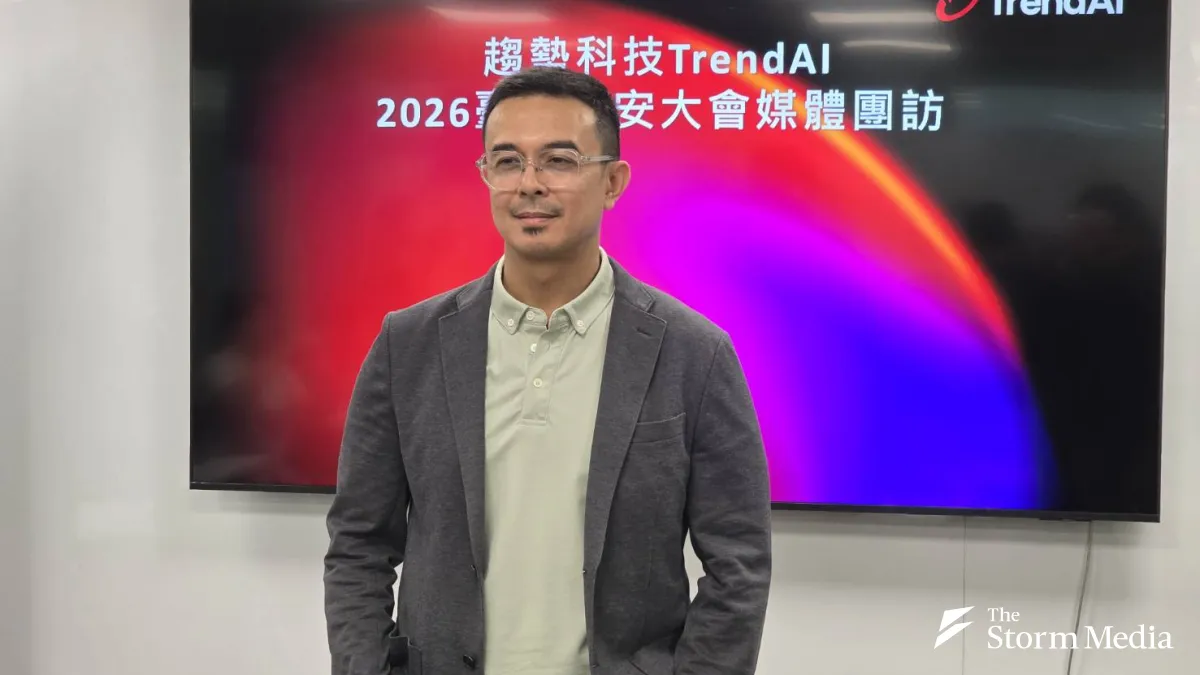
Ryan Flores, who co-leads forward-looking threat research at TrendAI, said artificial intelligence may not have played a direct role in Japan's recent incidents. But he said AI can help attackers speed up reconnaissance, analyze vulnerabilities, and produce phishing content in multiple languages, making it easier to scale their operations.
"Organizations need to shrink their attack surface and patch vulnerabilities to reduce the chance of being attacked," Flores said.
Robert McArdle, another research lead at the company, cautioned against treating the recent wave as a peak in criminal activity. It may instead mark a new normal, he said, with attacks likely to grow in volume, speed, and persistence.
Trend Micro advised companies to first inventory and patch vulnerabilities in external servers, applications, and cloud services. It also recommended limiting write permissions on servers, monitoring databases for unusual access, and reviewing how quickly suppliers report incidents and restore services.
License Credits, Not Cash, Anchor The ¥10 Billion Plan
The centerpiece of the program is up to ¥10 billion in TrendAI Flex license credits, which eligible Japanese organizations can use to adopt or upgrade protection on the company's TrendAI Vision One security platform. Trend Micro stressed that the credits are product licenses, not cash grants. Eligibility rules, how credits will be allocated, redemption terms, and how partners will take part are to be announced as the program rolls out.
Trend Micro will deliver the program through channel partners, system integrators, and managed service providers. Qualifying organizations can receive up to 10 days of professional services free of charge through those partners.
The company also plans to send forward-deployed engineers and technical specialists to help participants assess their exposure, find vulnerabilities, prioritize fixes, and deploy defenses faster. In the early phase, that engineering support will go first to organizations vital to national infrastructure, economic activity, and supply chains. Eligible companies can also receive managed detection and response (MDR) support, including continuous threat monitoring, incident investigation, and response assistance.
Chen described Japan as a cornerstone of the company and said Trend Micro has a responsibility to commit resources to the organizations and people who keep its economy, infrastructure, and communities running.
"No organization should have to face this challenge alone," Chen said.
Small Firms And LINE Users Are Also In Scope
The program reaches beyond large enterprises. New business customers in Japan will be offered a 60-day free trial of Worry-Free Business Security Services, and Trend Micro is working to build AI-powered scam detection into customer-facing channels such as LINE Official Accounts, the business accounts companies run on Japan's most widely used messaging app. The LINE service is still under discussion and in preparation, with the goal of being ready for commercial deployment by the end of 2026.
For consumers, Trend Micro's TrendLife unit will offer 90 days of free access to Trend Micro ScamCheck, a tool that helps users spot phone, email, and other scams that may exploit leaked personal data. The offer is limited to customers in Japan and must be activated by December 31, 2026.
Trend Micro said it will track participation, security upgrades, and defensive results together with customers and partners. With attackers increasingly moving from large companies into their supply chains, whether the program can reach smaller firms with limited resources, and how the licenses and expert support are actually divided up, will determine how much difference it makes.