Palau, a Pacific island nation of about 18,000 people and one of Taiwan's few remaining diplomatic allies, is facing a growing drug and organized crime problem, and its president says Chinese criminals are behind much of it. President Surangel Whipps Jr. has warned that a flood of illegal drugs entering the country is threatening both governance and social stability.
Speaking to Nikkei Asia around the Pacific Islands Forum Leaders Meeting, Whipps said drug crime in Palau has been rising steadily, with methamphetamine, known as ice, the biggest problem. He said 13 Chinese nationals were being held in the country's prison. By the end of September, Palau's only prison, built to hold 65 people, was housing 113 inmates, about 11.5% of them Chinese.
Chinese Nationals Form The Largest Group Of Foreign Inmates
Figures from Palau's Ministry of Justice tell a similar story. As of early October, the prison held 107 inmates, 12 of them Chinese nationals, or 11% of the total, making them the largest group of foreign prisoners. Between July and October alone, six Chinese citizens were sentenced for trafficking, possessing or attempting to smuggle drugs.
Palau is one of a handful of countries that recognize Taiwan rather than Beijing, and Whipps has long been outspoken about China. He did not directly accuse the Chinese government of involvement in drug smuggling. But he told Nikkei Asia that the Chinese nationals bringing in drugs were deliberately targeting the Palauan market "so they can make money here and at the same time weaken our government and our social order."
Why Palau Appeals To Chinese Criminal Networks
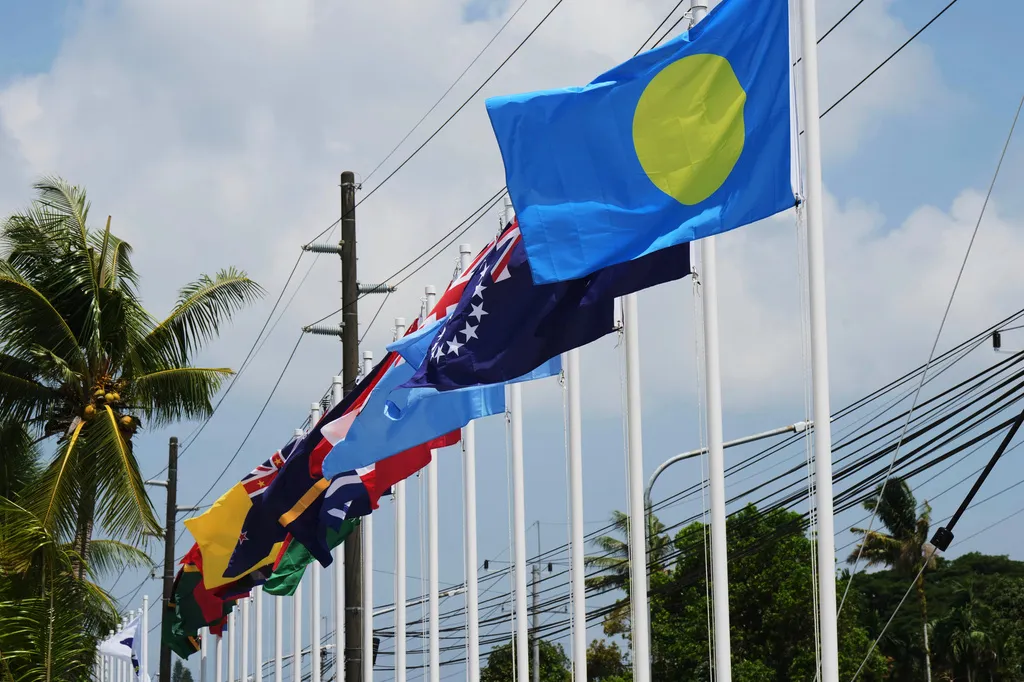
Chinese criminal activity in Palau is not new. John Hennessey-Niland, a former US ambassador to Palau, said Chinese crime groups have long used the country for cybercrime and money laundering. "They realize that because Palau has no official relationship with Beijing, it is very hard for Chinese law enforcement to reach in here, so it has become the perfect safe haven for them," he said.
Beyond drugs, Chinese gangs have also used the tourism industry as cover for online gambling and fraud. In 2020, Palauan police uncovered an unlicensed online gambling operation run out of a hotel that was evading taxes, arresting and deporting 57 Chinese citizens. In January 2025, police raided another hotel being used for illegal telecom fraud, arresting and deporting nine Chinese nationals.
A Pacific Drug Highway And Fiji's Warning
Transnational drug crime is affecting the entire South Pacific. Large quantities of cocaine from Latin America and methamphetamine from Asia are moved by yacht and even semi submersible vessels along what is known as the "Pacific drug highway" to the lucrative markets of Australia and New Zealand.
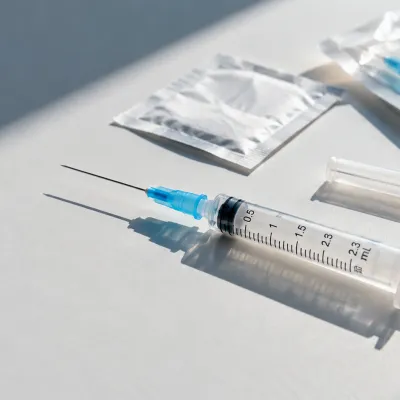
Nearby Fiji shows what can happen when a country becomes a transit hub. Intravenous meth use and needle sharing have spread rapidly there, and new HIV infections have soared by more than 3,000% since 2010. In September, the Fijian government declared a national HIV emergency.
Palau's Minister of Justice Jennifer Olegeriil sees Fiji as a cautionary tale. "If we do not intervene on a large scale now, in five to 10 years we will become like that," she warned.
How Palau And Its Partners Are Fighting Back
To curb the problem, Whipps declared 2026 Palau's national year against drugs and in May signed a new law that expands drug testing and toughens penalties. The government has also stepped up border security, installing X-ray machines at post offices and the airport.
Palau's partners are helping. Japan provided new drug testing equipment in June, and the United States has supplied trained narcotics detection dogs. Taiwan is also playing a key role, providing dedicated funding to 31 community organizations in Palau to support anti drug education and addiction counseling programs in local communities and schools.
"We want to send a clear message to the world," Olegeriil said. "Palau is a country governed by the rule of law. We will never stand by while outside forces bring drugs in to destroy our communities, and we will pursue this to the end."