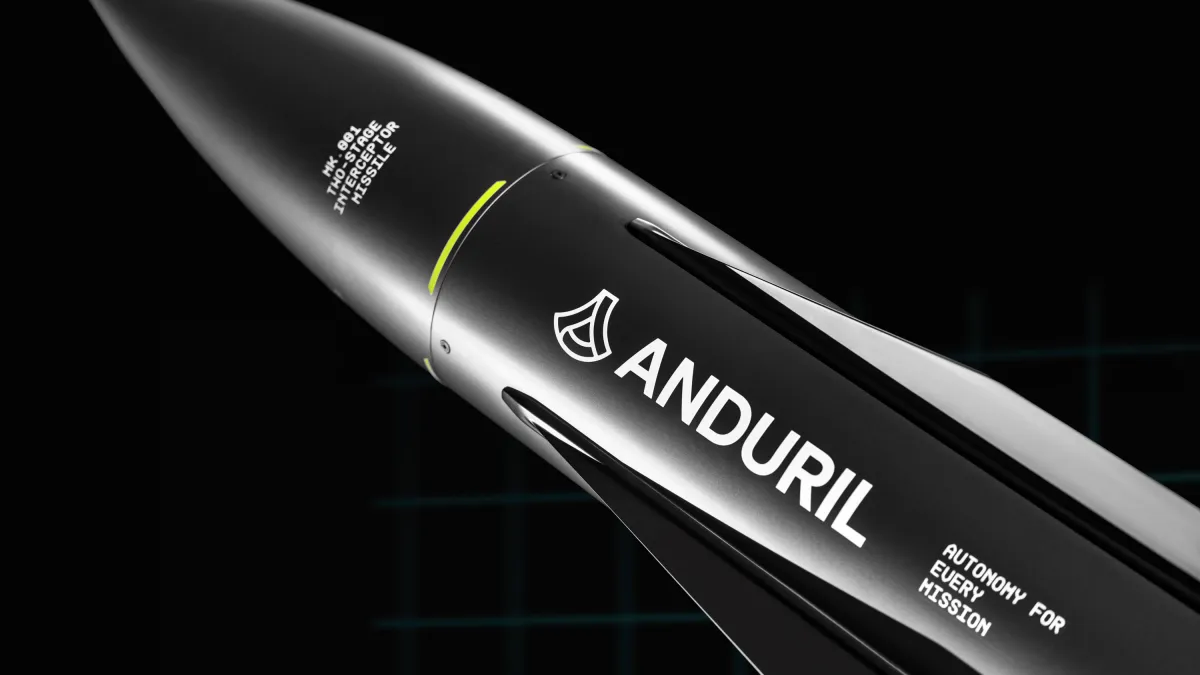
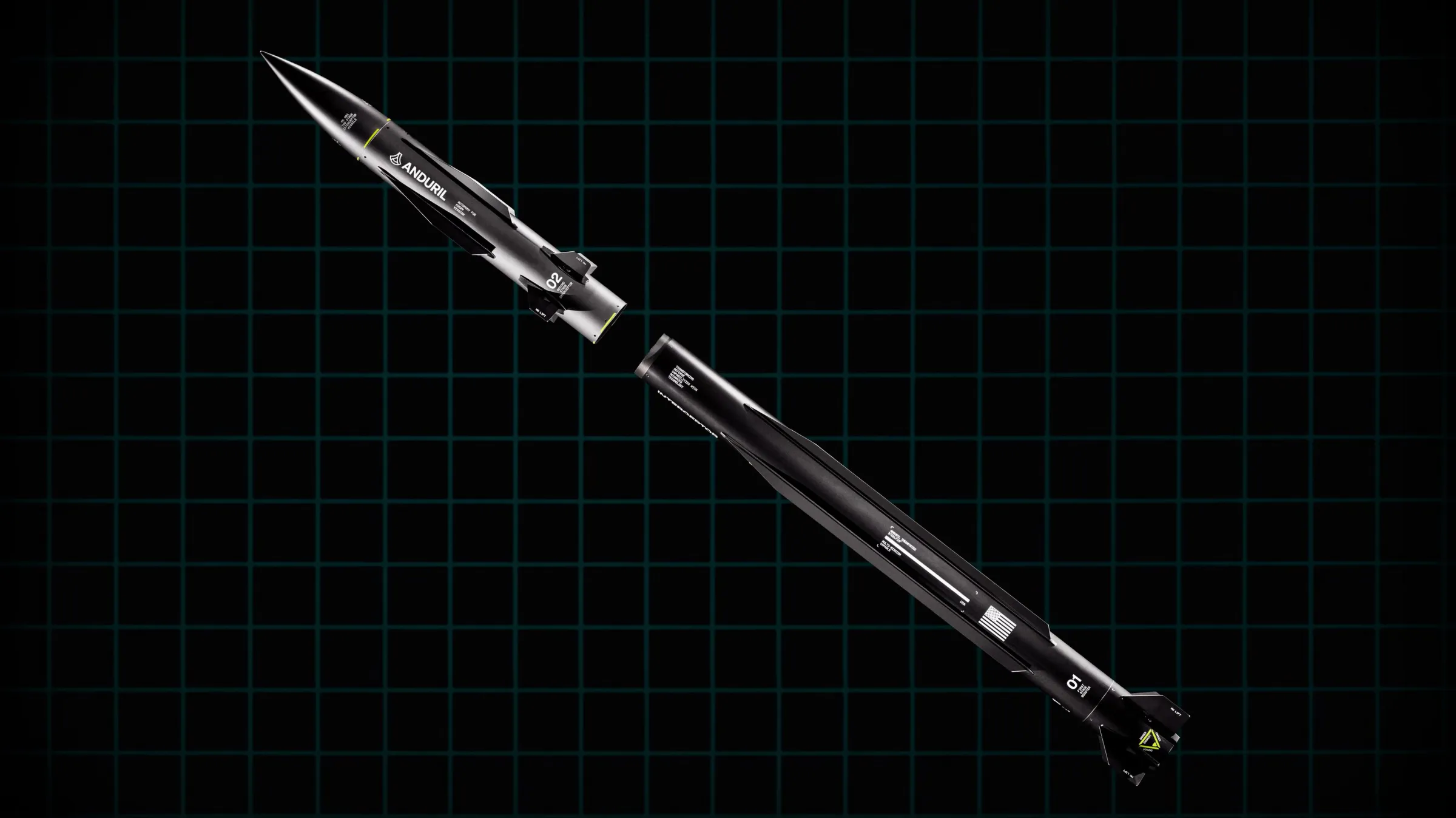
Anduril Industries, the US defense technology startup best known for its drones and autonomous systems, is moving into air defense missiles. The company has unveiled Steelfin, a new surface to air interceptor that it says is designed to sell for about a third of the price of the PAC-3 MSE, the current mainstay of the Patriot system, while being built in far greater numbers for the US military and its allies.
Why Cheaper Interceptors Matter Now
Anduril President Chris Brose said American and allied forces face an awkward dilemma. They must counter everything from one way attack drones to ballistic missiles, cruise missiles and hypersonic weapons, yet traditional interceptors cannot be produced fast enough and simply cannot match the sheer number of threats they now face. Brose said Anduril saw the demand for low cost interceptors coming and quietly developed Steelfin to meet it.
The math behind that argument is stark. Using expensive missiles to shoot down cheap drones drains stockpiles quickly, a problem that has become a central concern for militaries watching recent conflicts in Europe and the Middle East.
A Modular Design Built For Patriot And Typhon Launchers
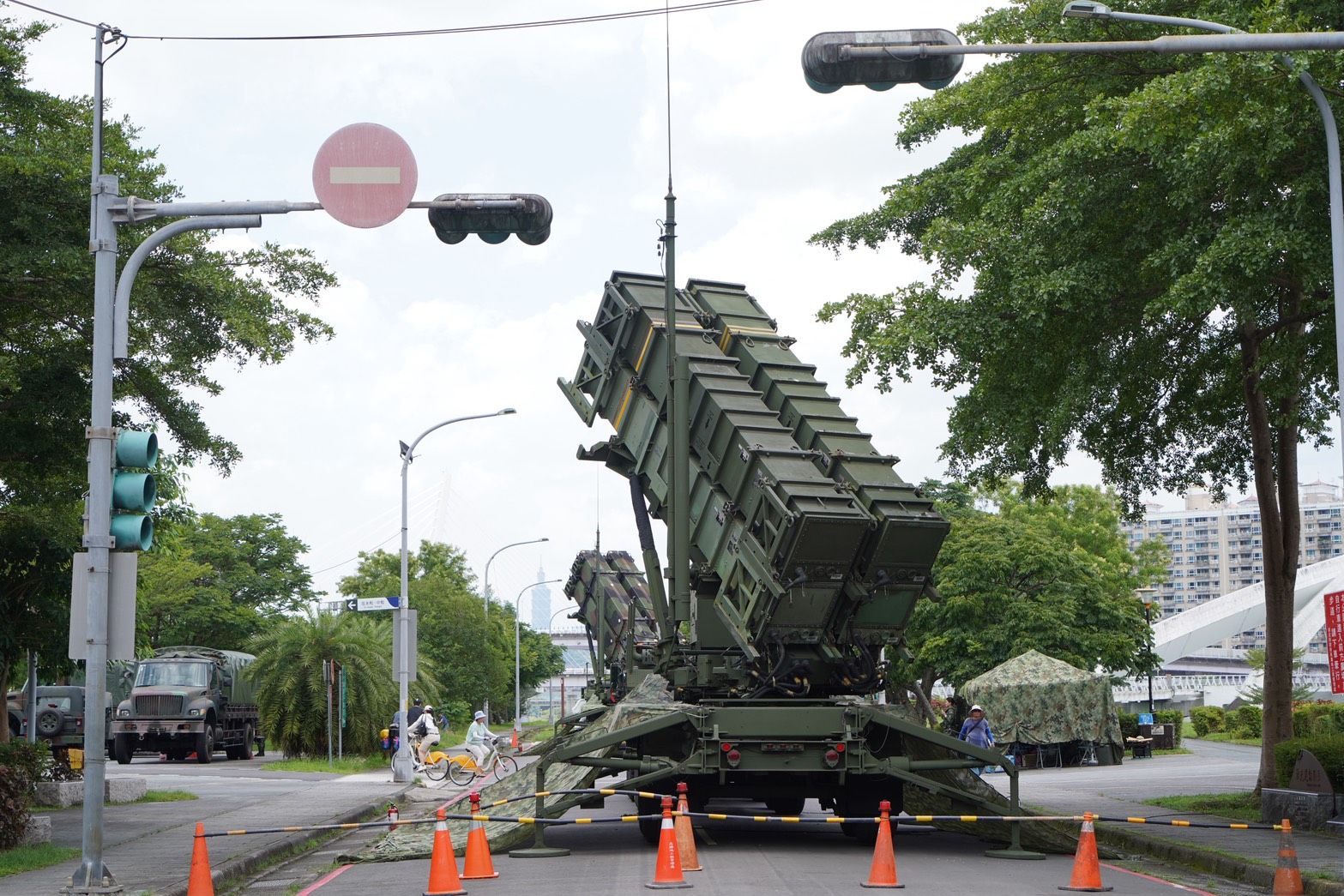
Brose stressed that Steelfin is highly modular. It can be paired with different solid rocket motors and seekers and fired from a range of platforms, including Patriot launchers, the Common Autonomous Multi-Domain Launcher (CAML), the Typhon weapon system and containerized munition launchers.
That flexibility, the company says, lets the same basic missile be tailored for very different targets, from low cost Iranian designed Shahed attack drones to enemy cruise missiles and hypersonic weapons.
Competing For The Army's Next Interceptor
Steve Milano, a senior Anduril executive who leads its missile development, said the company plans to use Steelfin to compete for the US Army's low cost interceptor effort. After taking part in the Army's xTech Apex intercept competition, Anduril was selected to move on to the next phase of live testing.
The Army has been looking for a next generation interceptor that fits existing Patriot and CAML launchers. Its requirements call for a terminal interceptor 7 to 10 inches in diameter and a booster of 10 to 13 inches. Anduril says Steelfin's dimensions fully meet those specifications.
Production Plans Center On Anduril's Ohio Factory
Milano expects Steelfin to reach full rate production in late 2028 or early 2029. Based on demand signals from customers in the United States and abroad, Anduril has set a baseline capacity of several thousand missiles a year. If demand keeps growing, he said, the company would aim for an output approaching hundreds of thousands a year.
Most of the missile's subsystems and components will be made at Arsenal-1, Anduril's automated manufacturing facility in Ohio, with final system integration carried out alongside partners.
For the solid rocket motors at the heart of the missile, Anduril plans a dual track supply chain, building some in house and buying others from outside suppliers. Milano said this approach is meant to prevent supply bottlenecks and maximize production. "From the early stages of designing Steelfin, we decided to use modular interfaces, so the weapon can use the company's own rocket motors and also accept products from third party suppliers at any time," he said.