The death of a young scientist at a Russian plague research institute has set off international alarm, and it has landed uncomfortably close to China. The 28-year-old woman, who worked at the Irkutsk Anti-Plague Research Institute of Siberia and the Far East, died of severe pneumonia in early October. Because her employer studies plague, and because rumors spread that a test tube had broken in her lab, the case quickly escalated into an international public health concern.
Russian authorities deny there is any plague outbreak. They say she died of "pneumonia of unknown cause" and that no plague or other dangerous pathogens were found in her contacts. Even so, about 200 people who had contact with her were placed in isolation or under medical monitoring, and the World Health Organization (WHO) has asked Moscow for more information.
What Is Known About The Researcher's Death
The version drawing the most attention holds that the researcher had an accident in her laboratory in late September, breaking a tube containing the plague bacterium Yersinia pestis, and that she fell ill days later and deteriorated quickly. Russian officials have denied that account, and no public evidence confirms that she was infected with plague through a lab accident.
Plague has not disappeared, and parts of Siberia are natural reservoirs of the disease. But a death from pneumonia is not the same as a plague outbreak. Based on public information so far, there is no evidence of the disease spreading in the community. The WHO currently rates the public health risk within Russia as low, and in Irkutsk region as low to moderate. The European Centre for Disease Prevention and Control (ECDC) says there is no evidence of secondary cases or sustained human to human transmission.
Why Pneumonic Plague Is Serious But Treatable
Pneumonic plague can worsen rapidly without prompt treatment. It is, however, a known bacterial infection that responds to antibiotics. When it does spread between people, it usually requires close contact with the respiratory droplets of a patient who already has symptoms.
A Cross Border Plague Drill Weeks Earlier
The case has drawn extra scrutiny in China because of an exercise held barely a month earlier. From August 24 to 27, Fuyuan (撫遠), a city in Heilongjiang Province on China's easternmost edge, hosted a 2026 joint China Russia emergency drill on cross border infectious disease outbreaks, including a scenario of plague crossing the border.
This was no routine public health campaign. It was organized by Heilongjiang's disease control bureau and health commission, brought together medical emergency teams from all three northeastern provinces, and invited experts from Russia's consumer protection and public health watchdog, Rospotrebnadzor. Among the Russian participants was Sergey Balakhonov, director of the Irkutsk anti-plague institute where the young researcher later died.

Why Northeast China Is Watching Closely
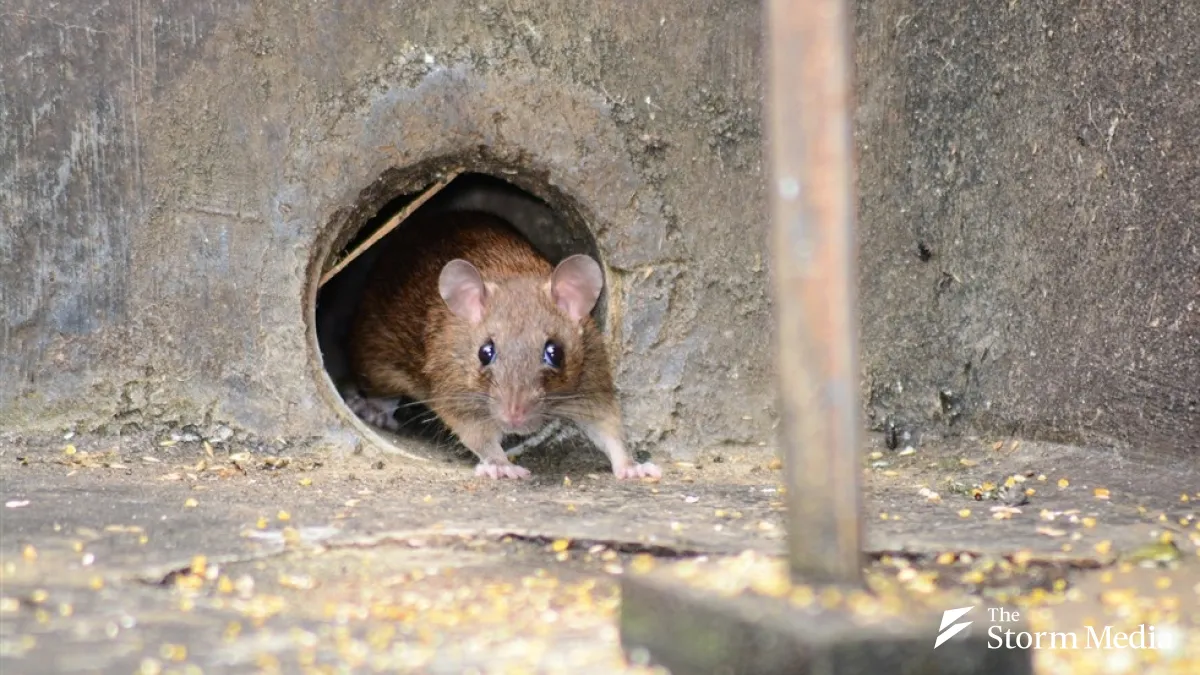
No plague scare has surfaced in Heilongjiang itself. Local residents contacted by Storm Media said health authorities there had not issued any public notices about plague prevention. Several months earlier, however, Hebei Province announced it was placing rat poison bait in residential compounds to reduce rodent infestations.
Irkutsk is a major transport and logistics hub in Siberia, and China's northeast maintains dense personnel and trade links with Russia's Far East. For Beijing, the real question is not simply whether Irkutsk has plague, but whether China can issue an early warning before any high risk disease in Russia crosses the border. Fuyuan, which faces Russia across the river, is one of China's key ports of entry for Russian trade, and officials there stressed during the drill that the two countries have long cooperated on health, including on epidemic control during the Covid pandemic.
How Washington And Beijing Have Responded
US Secretary of State Marco Rubio has publicly urged Russia to be more transparent so the international community has enough information for countries to take appropriate measures. President Donald Trump said Washington was watching closely and would offer help if Russia needed it.
Asked on October 6 whether Beijing had established contact with the Russian government and experts, Chinese foreign ministry spokesman Guo Jiakun did not detail any specific cooperation, saying only that China and Russia maintain close exchanges and cooperation on preventing and controlling infectious diseases, including plague.
Why Border Health Cannot Be Separated From Geopolitics
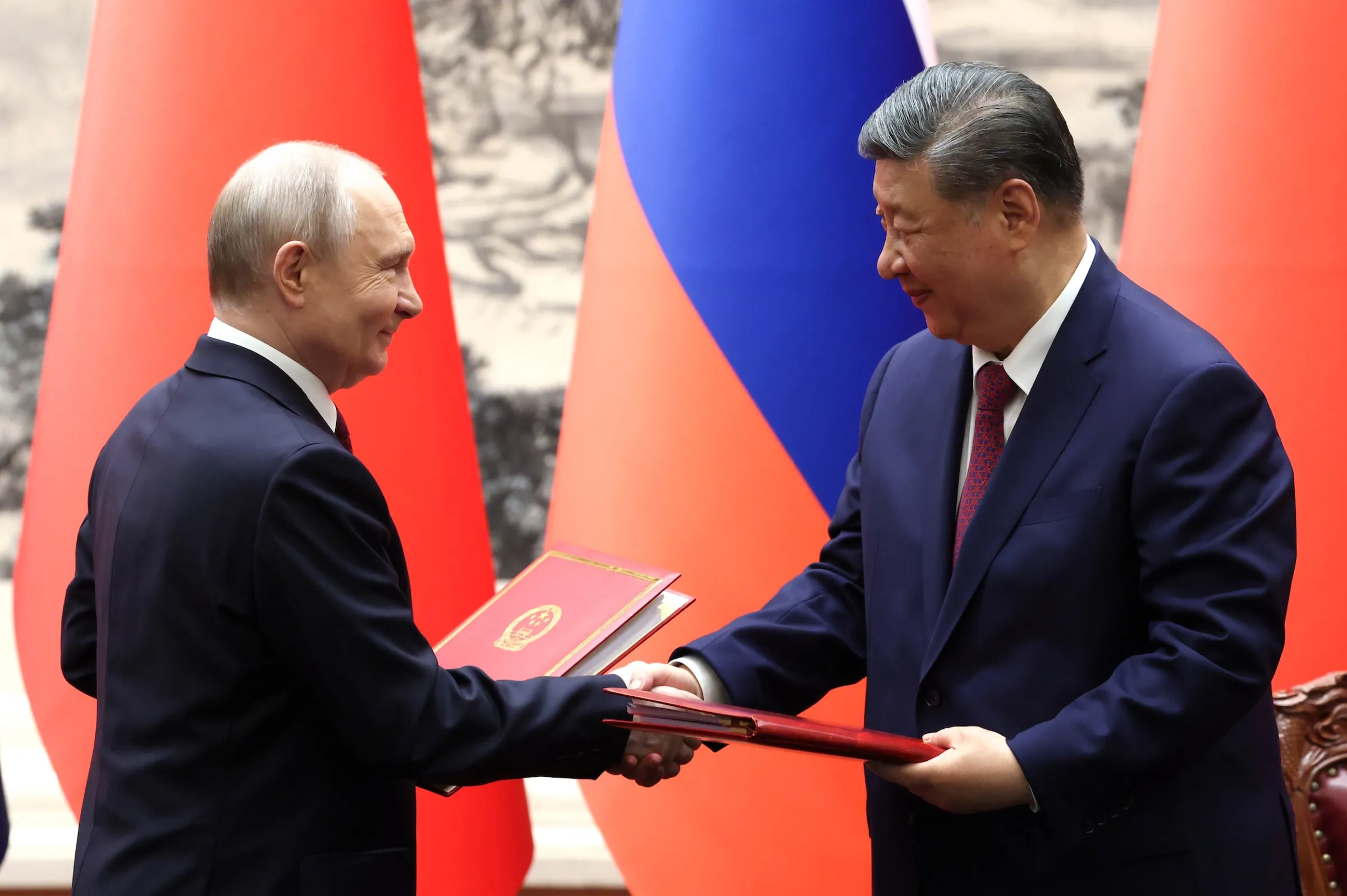
Russia's Far East and Siberia have long formed a crucial outer ring for public health surveillance in northern China. When the disease in question is plague, a zoonotic illness with natural reservoirs in the region, border epidemic control cannot be fully separated from geopolitics, especially as Beijing and Moscow deepen their strategic partnership.
(Related:
Beijing and Moscow Coordinate Cognitive Warfare Operations Along First Island Chain
|
Latest
)