Japan is redrawing the map of Asia's energy supply chain. After war in the Middle East triggered an oil crunch earlier this year, Tokyo launched POWERR Asia, an initiative worth about 1.5 trillion yen ($10 billion) that places Japan at the hub between oil producers and Asian consumers, and, at least initially, leaves China out.
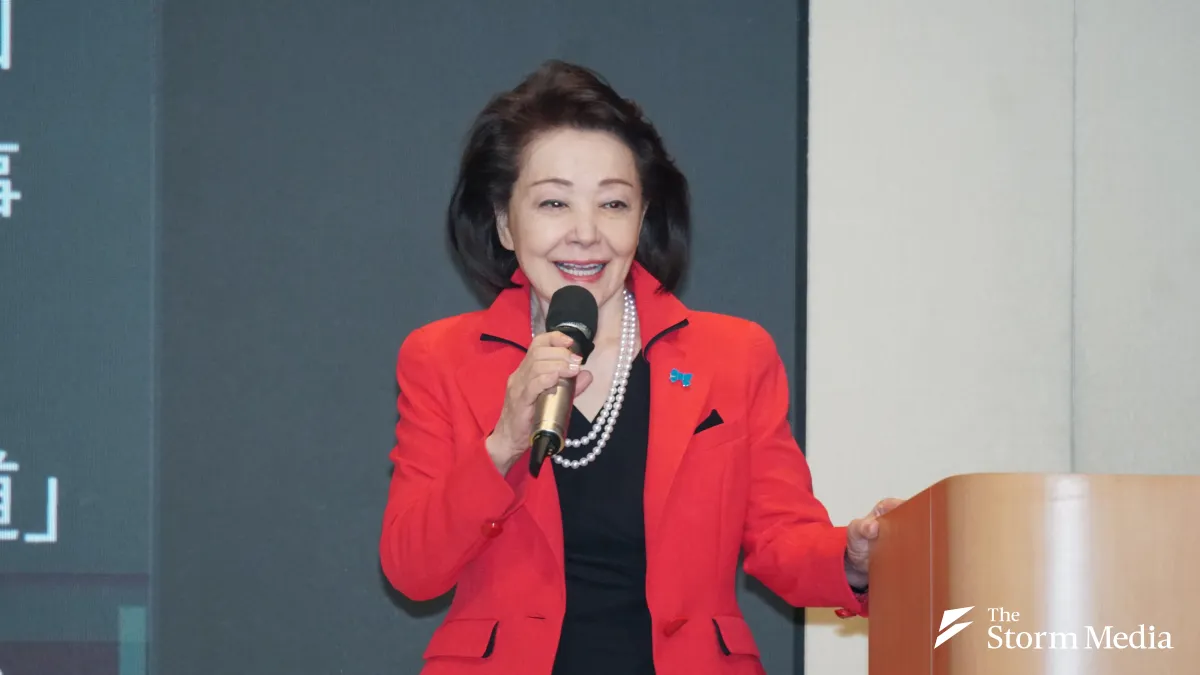
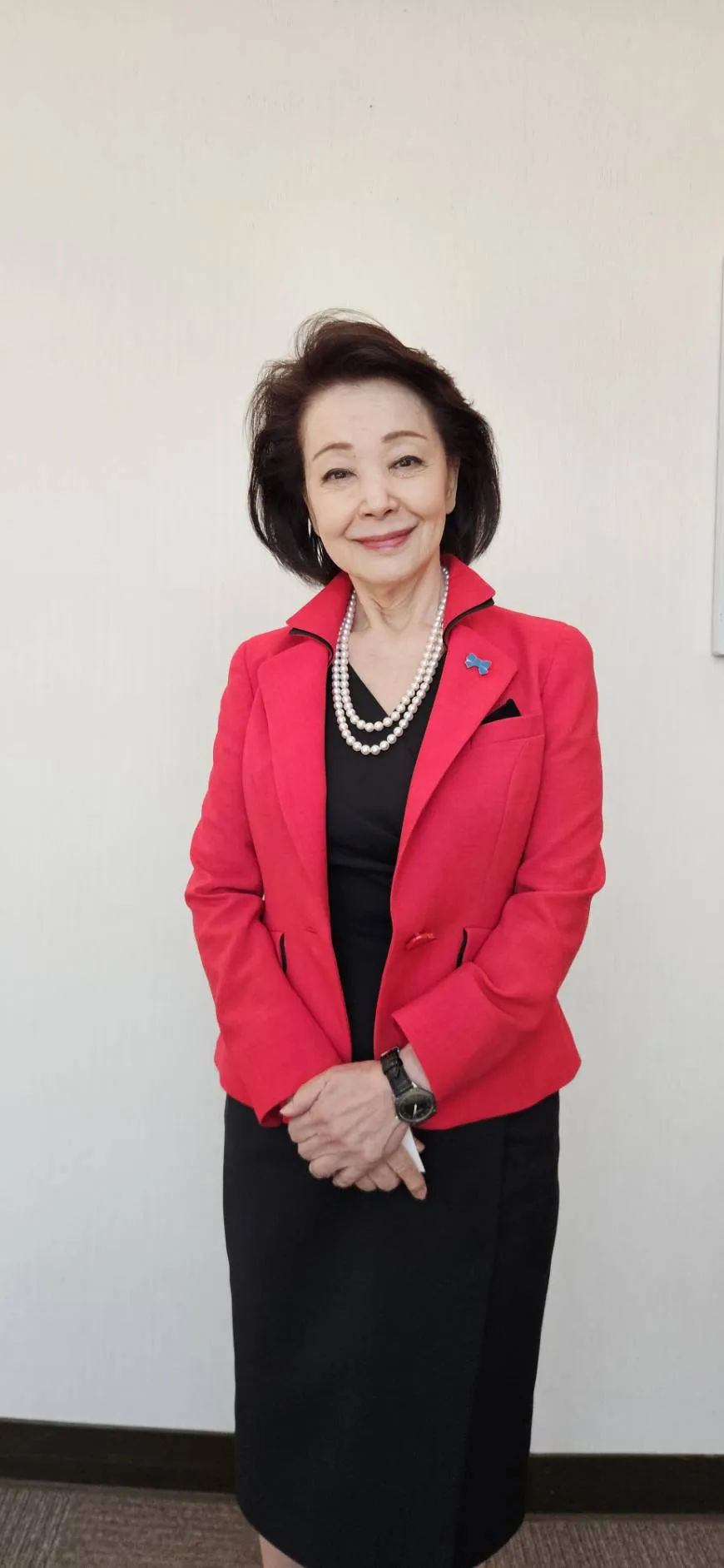
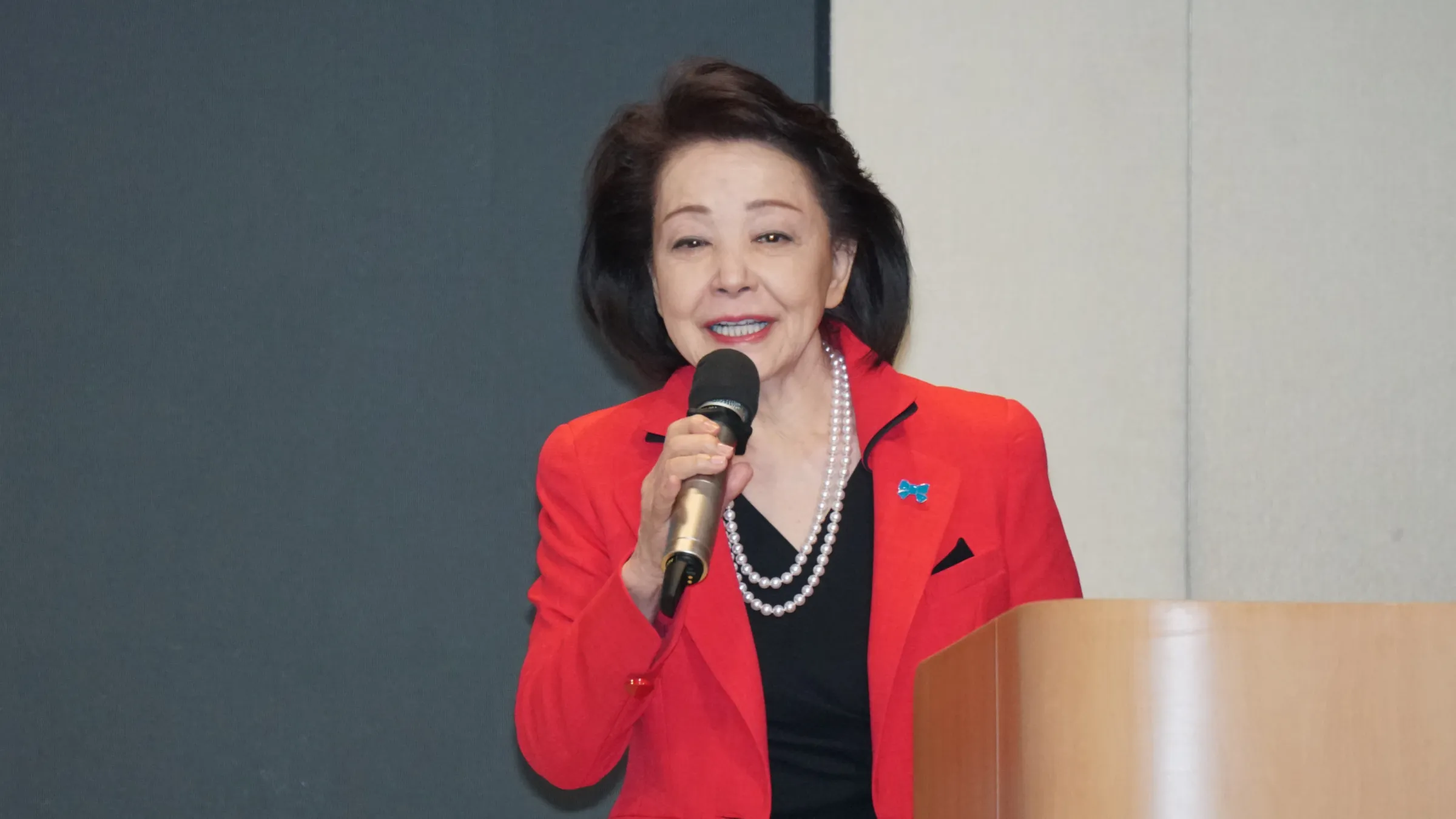
Sakurai Yoshiko, chairperson of the Japan Institute for National Fundamentals (JINF), told The Storm Media in an exclusive interview on October 11 that Japan will use POWERR Asia to stockpile oil and share rare earth data with Taiwan and Southeast Asia. Taiwan, she said, is "a very important partner" in that effort, not an aid recipient.
"Unless our country works very hard together with Taiwan, neither of us will be able to survive," Sakurai said.
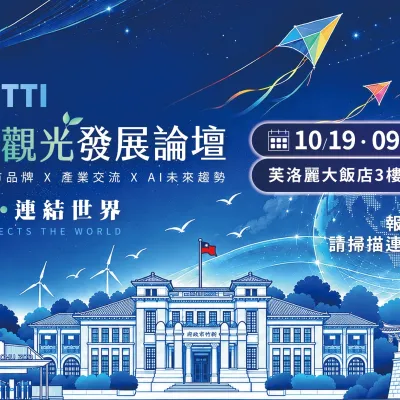
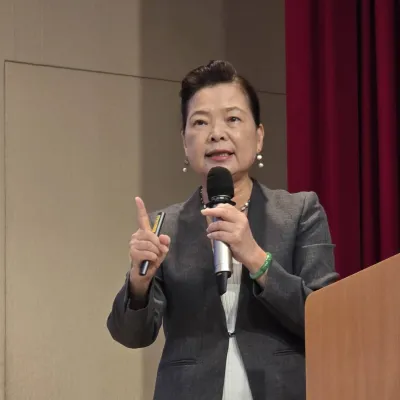
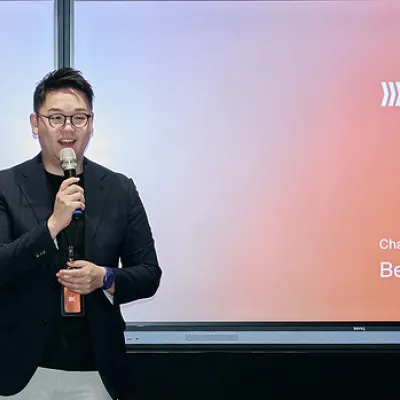
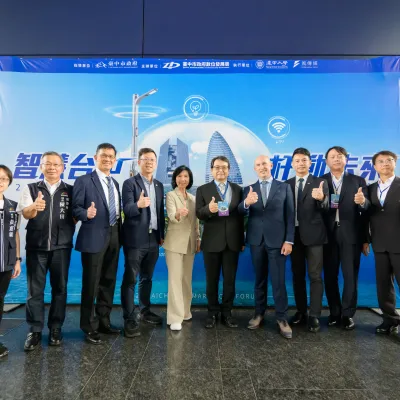
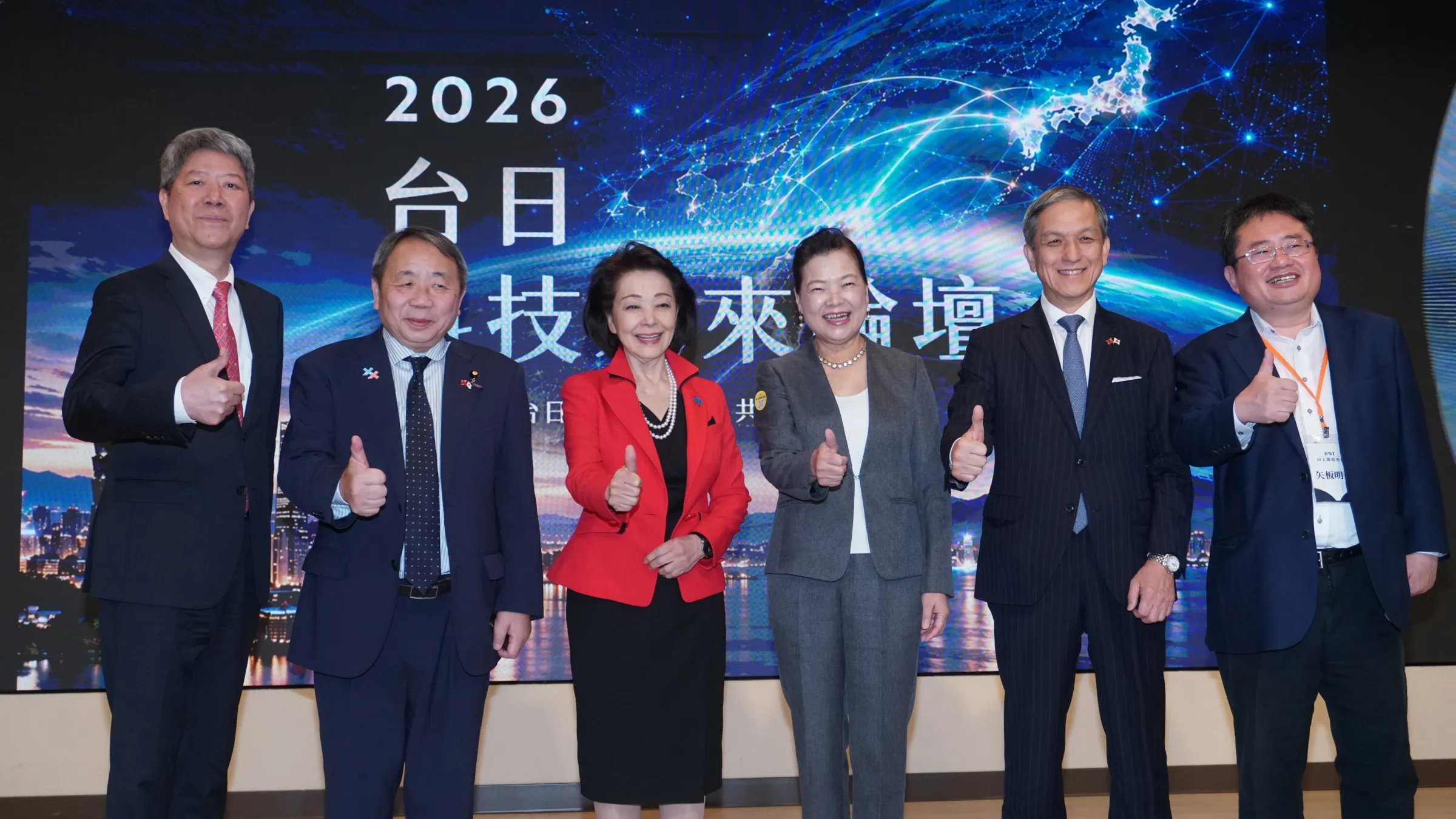
Sakurai, a former television news anchor, founded JINF in 2007 and is one of Japan's most prominent conservative voices. She spoke to The Storm Media after delivering a keynote speech at the 2026 Taiwan-Japan Technology Future Forum in Taipei.
Japan Positions Itself Between Oil Producers and Asia
In her speech, Sakurai traced POWERR Asia back to the oil shortage that followed the outbreak of fighting in the Middle East. "Taiwan's reserves are not large, Vietnam's are very small, and the Philippines' are small too," she said. Japan, by contrast, holds more than 200 days of oil reserves. Tokyo therefore put up about $10 billion to help Asian countries secure fuel and set itself up as a "node" linking producers such as Saudi Arabia and the United Arab Emirates with consumers including Taiwan and the Association of Southeast Asian Nations (ASEAN).
According to Japan's Ministry of Economy, Trade and Industry (METI), Prime Minister Sanae Takaichi announced the Partnership on Wide Energy and Resources Resilience Asia, or POWERR Asia, at an online Asia Zero Emission Community (AZEC) Plus leaders' meeting on April 15. The framework offers about $10 billion in financial cooperation to help Asian countries hit by the Middle East crisis keep buying crude oil and petroleum products and keep their supply chains running, while securing Japan's own access to critical goods from the region.
For the emergency phase, Tokyo has mobilized three state-backed institutions. The Japan Bank for International Cooperation (JBIC) created a new POWERR Asia FAST Window under its Japan Strategic Investment Facility to finance oil purchases and companies hurt by fuel shortages. Nippon Export and Investment Insurance (NEXI) set up an internal task force on April 17 to study insuring crude oil sales by Japanese trading houses to local companies. The Japan International Cooperation Agency (JICA) is providing emergency yen loans to partner governments and investment financing to help local firms keep production going.
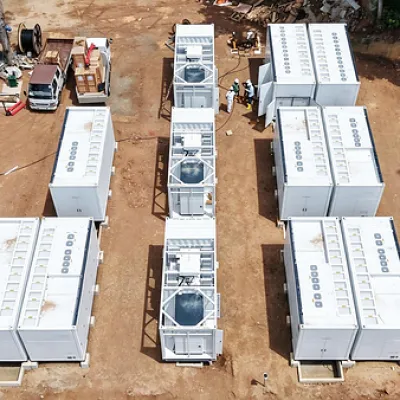
Over the longer term, Japan will help partner countries build stockpiling and release systems and construct or use storage tanks to raise the region's crude reserves, while pushing energy diversification and efficiency. A briefing paper from Japan's Ministry of Foreign Affairs says the 1.5 trillion yen package could finance up to 1.2 billion barrels of crude imports a year, roughly equal to ASEAN's annual crude imports.
Asked by The Storm Media what POWERR Asia means for Taiwan, Sakurai was specific. "Japan will help Taiwan and Southeast Asian countries in many ways. There is financial aid, and Japan has empty storage tanks that everyone can use," she said. "This is not for any one country in Asia. It is stockpiling for the region as a whole."
On membership, she was blunt. "At first, China and the United States will not join directly. We face all kinds of threats from China, so China will not join. As participating countries, Saudi Arabia and the UAE are being considered. I think the United States will join later." Japan is taking the central role, she said, so that Taiwan, Southeast Asia, and Japan itself do not fall into crisis. "Japan will step in to help further than it has before."
In her speech, Sakurai also described what she sees as the next step. She said Takaichi's October 5 policy speech to the Diet, Japan's parliament, pushed POWERR Asia a step further, and that the next stage could be an "Asian version of the IEA," a reference to the International Energy Agency. "Asian countries do not want to depend entirely on China, and they do not want to depend entirely on the United States," she said. The bloc she described would bring together Japan, Taiwan, ASEAN, and Gulf oil producers, and "the great powers China and the United States are not in it." In the official text of the policy speech, Takaichi's reference to POWERR Asia covers cooperation on "building stockpile systems and extending credit" and "strengthening ties between producing and consuming countries." The official text does not mention an Asian IEA.
Taiwan Is a Partner, Not an Aid Recipient
POWERR Asia covers critical minerals as well as oil. Sakurai said the goal is to cut dependence on China for critical minerals to below 60% by 2030 and eventually below 50%, with Japan at the center tracking which rare earths each country's companies hold and in what quantities, and arranging transfers when needed.
The target tracks a pledge G7 leaders made at their June 17 summit in Evian, France, to cut reliance on any single supplier outside the G7 and partner countries for rare earths and permanent magnets to under 60% by 2030, with an ambition of reaching 50% as soon as possible.
Taiwan's semiconductor and high-tech industries rely heavily on Chinese rare earths. The Storm Media asked whether Taiwan would mainly be on the receiving end of Japan's coordination or act as a partner.
"Japan's position now is to treat Taiwan as a partner in every way possible," Sakurai said. "The same goes for rare earths. This is not only about Taiwan. We will cooperate with all like-minded countries. First we need to know which company in which country holds how much rare earth, and then work out how to allocate it and help one another until our side's rare earth resilience is higher."
She continued: "I don't know how Taiwan will present its position. But as today's seminar showed, unless our country works very hard together with Taiwan, neither of us will be able to survive. I think Taiwan will of course be a very important partner in this circle."
China Runs the Same Playbook on Taiwan and Okinawa
Sakurai opened her speech by framing Japan and Taiwan as facing a common challenge. "Our two countries, Japan and Taiwan, face the same problem," she said. China, she argued, uses similar information operations against Taiwan and Okinawa, working through international organizations and public opinion to rewrite the history and political status of both.
She described an Okinawan city councilor who attended a United Nations human rights meeting in Geneva and found that many participants regarded Okinawa as an island of Indigenous people colonized by Japan. "I am Okinawan. Okinawans are Japanese. Okinawa has always been part of Japan," he told them, according to Sakurai. Other delegates replied that he had been "brainwashed," leaving him shocked.
"This is basically the same pattern China uses against Taiwan," Sakurai said. "Taiwan has never belonged to the People's Republic of China." She said Taiwan's loss of its United Nations seat was also the product of international opinion shaped by Beijing, and that Taiwan and Japan must both fight harder for influence over the global narrative.
Watch What Trump Does, Not What He Says
Turning to U.S.-China relations, Sakurai said Chinese leader Xi Jinping pressed President Donald Trump to halt arms sales to Taiwan when the two met in Beijing in May. She noted that the Six Assurances, issued by the Reagan administration in 1982, include a pledge not to consult Beijing in advance on arms sales to Taiwan, and that Trump drew criticism at home after saying the two leaders had discussed the issue.
But she urged the audience to judge Washington by its actions. "President Trump says a lot of things, but we need to look carefully at what he actually does," she said. She pointed out that about a week after Xi's state visit to Washington in late September, Taiwan's first two F-16V Block 70 fighter jets arrived on October 2. "That is a very good signal for us."
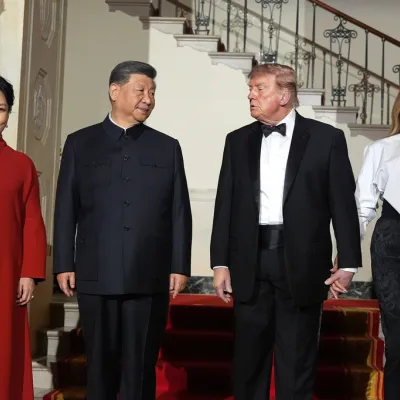
In a column in the October 8 issue of Shukan Shincho, Sakurai also wrote that Xi singled out "militarist Japan" at the state banquet in Washington in an effort to drive a wedge between Japan and the United States.
Japan Ends Its Postwar Diplomatic Silence
Sakurai said POWERR Asia shows Japan leaving behind its passive postwar diplomacy. She cited the Asia-Pacific Economic Cooperation (APEC) forum as an example: the idea originated in Japan, but Tokyo did not dare put its name to it and asked Australia to propose it instead. Since former Prime Minister Shinzo Abe called for Japan to break free of the postwar regime, and with Takaichi carrying that line forward "even more directly than Abe," she said, the situation has changed. In her Shukan Shincho column, she wrote that Japan must shift its thinking from being protected by the United States to asking how it can support the United States. (Related: Taiwan and Japan Tighten Tech Ties as the AI Race With China Heats Up | Latest )
Closing her speech, Sakurai called on Taiwan and Japan to combine their strengths and build a new framework with ASEAN countries, "a system with no room for overbearing great powers," and to deepen what she called an indispensable partnership.