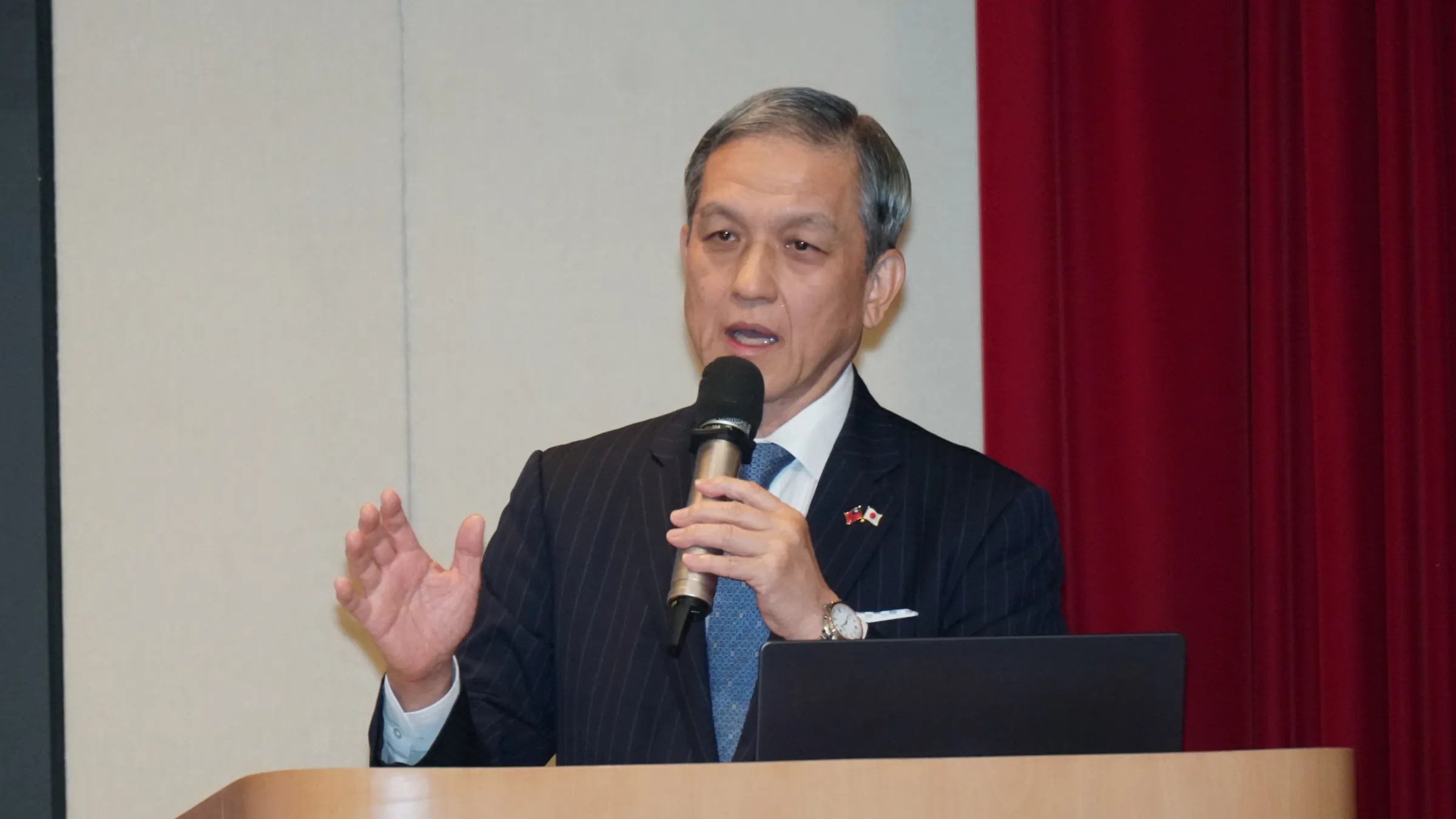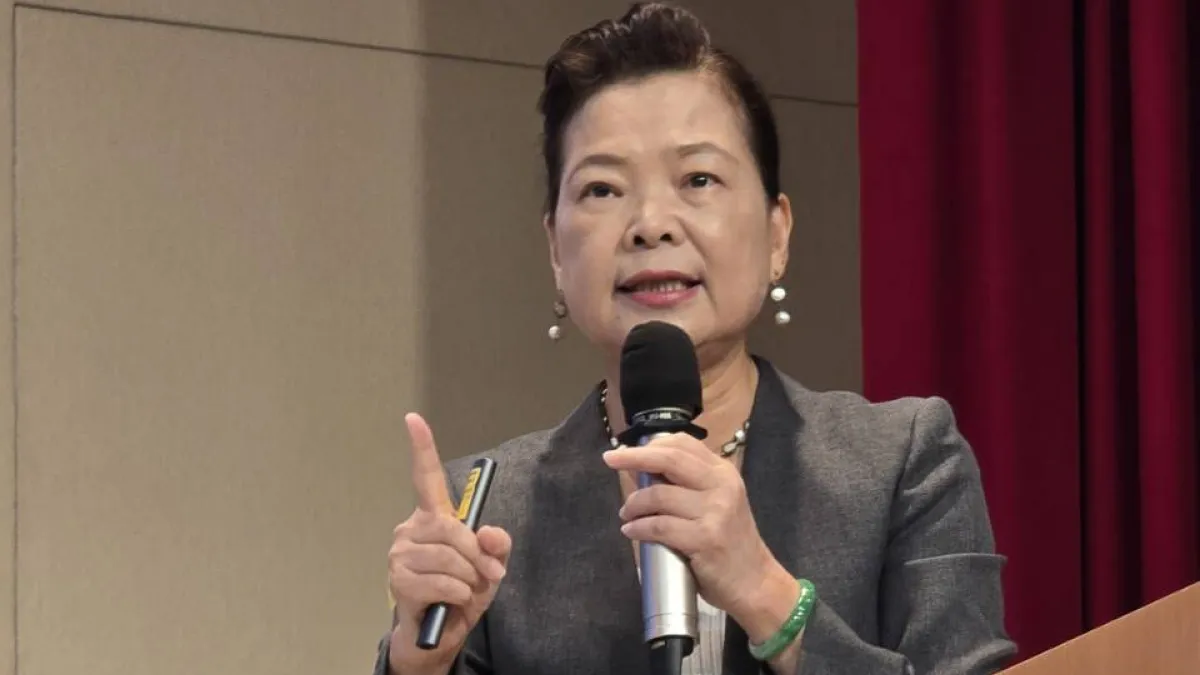
Former Taiwanese Economics Minister Wang Mei-hua said on October 11 that Taiwanese and Japanese chip suppliers are growing together rather than competing, citing TSMC's stake in a new Sony image sensor venture as a milestone in the partnership.
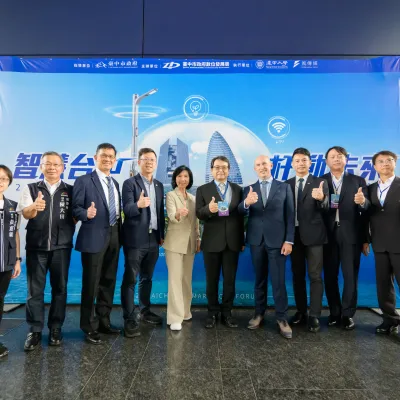
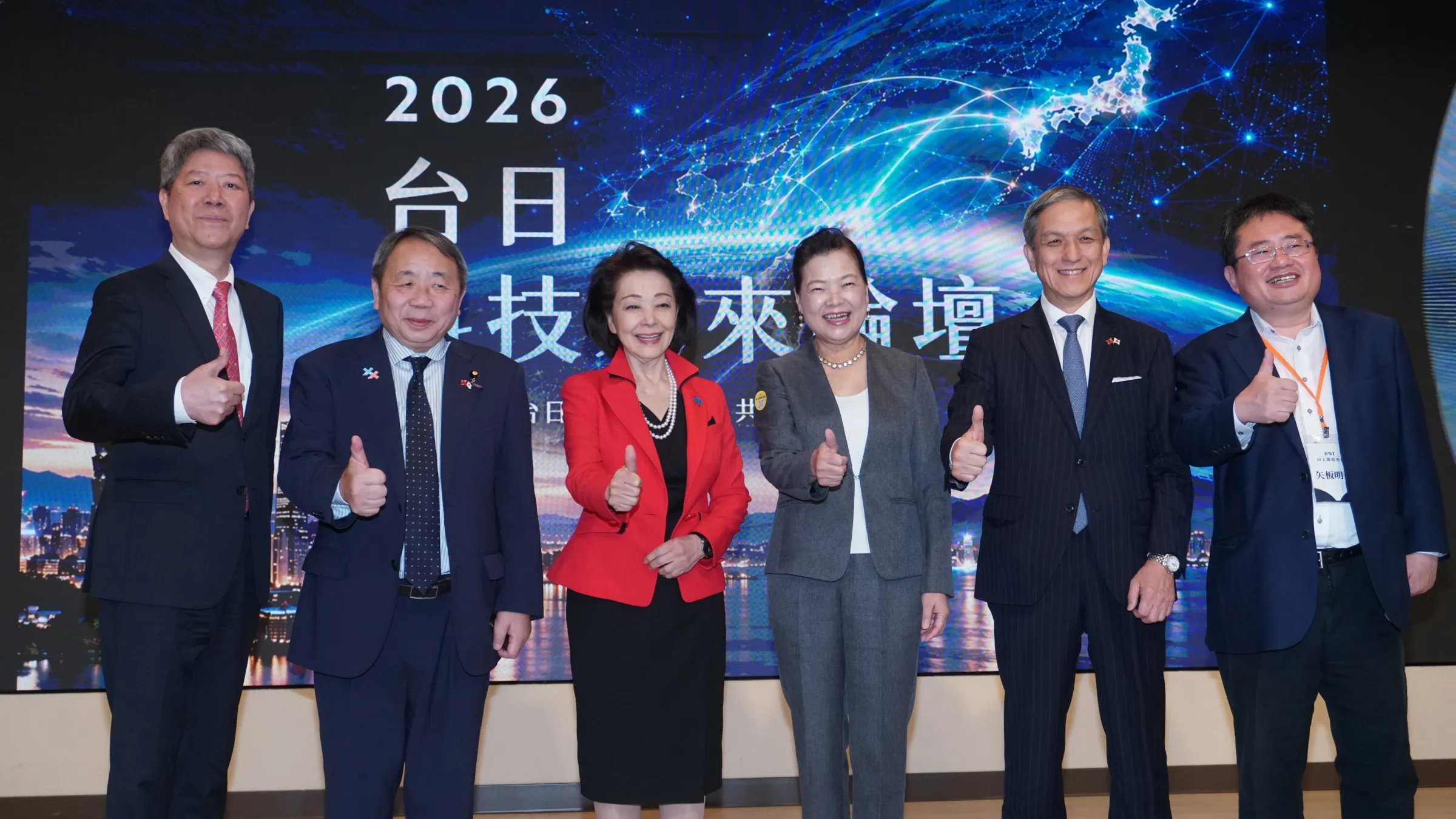
Wang made the remarks in a keynote at the 2026 Taiwan-Japan Future Technology Forum, organized by the Indo-Pacific Thinktank (IPST) and held at the Chang Yung-fa Foundation's international conference center in Taipei. The forum brought together Taiwanese and Japanese lawmakers, executives, academics, and researchers to discuss AI competition, regional security, and defense industry cooperation.
TSMC Backs a Customer at the Research Stage
Wang singled out the joint venture that TSMC and Sony formed in August to develop next-generation image sensors. According to her presentation, the venture, known as AVSM, is based in Japan's Kumamoto Prefecture with total capital of 747 billion yen. Sony holds 62% and is the controlling shareholder, while TSMC contributed 282 billion yen for the remaining 38%. Mass production is expected to begin in 2029, targeting vehicles, robots, and other physical AI markets.
"It has always been others investing in TSMC," Wang said. "Here, TSMC is investing in its customer at the front end, in research and development. This is the first time I have seen that." She said she was confident TSMC would protect intellectual property so the deal does not unsettle its other image sensor customers, calling the venture both symbolic and substantive.
Wang also pointed to FRONTia, a Japanese program led by the Ministry of Economy, Trade and Industry and the state research agency NEDO, in which 44 companies including Sony, SoftBank, NEC, and Honda jointly funded a new company to bring AI into physical applications. She said Taiwan could learn from Japan's ability to rally its industrial leaders, and that because physical AI runs on chips and GPUs, the program opens deep cooperation opportunities for Taiwan's semiconductor sector.
Taiwanese Suppliers Enter Materials Japan Long Dominated
Advanced process equipment has long come from Europe, the United States, and Japan, Wang noted, while materials came mainly from Japan. Japan's Nittobo, for example, held more than 90% of the global market for the glass fiber cloth used in server substrates and printed circuit boards, and Japanese firms have been the main suppliers of copper foil.
Taiwanese companies have now begun developing these materials and winning qualification, and local materials makers have formed an alliance to expand capacity. "This is not a relationship of exclusion," Wang said. "Demand is simply so large that we are increasing supply together."
She also highlighted traditional manufacturers that have moved up the value chain. A former tennis racket maker now produces polishing pads consumed in chipmaking, while King Slide Works, which started out making drawer rails, supplies 70% to 80% of the rails used in Nvidia servers. Taiwan's advanced packaging strength has also made silicon photonics viable, and TSMC has said mass production will begin by the end of this year.
Addressing concerns that TSMC's U.S. expansion is hollowing out its home base, Wang said the company has 13 advanced process and advanced packaging plants under construction in Taiwan, with builders typically given a year, and sometimes only nine to 10 months, to finish each facility.
AI Demand Puts $1 Trillion in Exports Within Reach
Wang said AI servers and semiconductors have pushed Taiwan's exports from roughly $400 billion a year during her time as minister to about $640 billion in 2025. She expects exports to top $900 billion this year, skipping straight past the $700 billion and $800 billion marks, and to exceed $1 trillion in 2027.
The United States has overtaken China as Taiwan's largest export market, and Taiwan has become the third largest source of U.S. imports, ahead of China and Japan. Taiwan's trade surplus with the United States reached about $150 billion last year and is set to exceed $200 billion this year. Because U.S. President Donald Trump cares deeply about trade deficits, Wang said, Taiwan must work hard to explain that "the more we export, the more money American companies make."
In the first half of 2026, Taiwan and South Korea each out-exported Japan for the first time, Wang said. Large volumes of Korean high-bandwidth memory (HBM) now flow into Taiwan to be packaged with GPUs, pushing Taiwan's trade deficit with South Korea to $36.7 billion in the first half alone, nearly matching the $37 billion recorded for all of 2025.
The boom has also reshaped Taiwan's stock market. The number of listed companies trading above NT$1,000 a share has climbed from 27 last year to about 54, all but two of them tied to AI, and Taiwan's total market capitalization now ranks fourth in the world behind the United States, China, and Hong Kong, ahead of South Korea. Many of these companies expanded at home under the government's 2019 program to bring Taiwanese businesses back from overseas, just before the AI wave arrived.
Wang Flags Five Risks Behind the AI Boom
Wang cautioned that even a hardware supplier like Taiwan must track the risks facing AI. She listed five: Chinese open-weight models undercutting U.S. subscription models on price; shortages of advanced chips, HBM, circuit boards, and silicon photonics components; capital spending by the four big U.S. cloud providers far outpacing revenue, driving free cash flow negative and pushing up borrowing costs as companies issue debt; data center power demand expected to double by 2030, prompting Texas to pause new data center construction; and AI's impact on jobs and safety.
She noted that while the United States debates AI controls in public, China rarely does, leaving the safety of its many models opaque.
Japanese Speakers Urge a United Front Against Beijing
Seki Hei, a member of Japan's House of Councillors, told the forum that China can concentrate state resources on AI in ways democracies cannot. "We absolutely must not lose to the Chinese Communist Party in AI and high technology," he said.
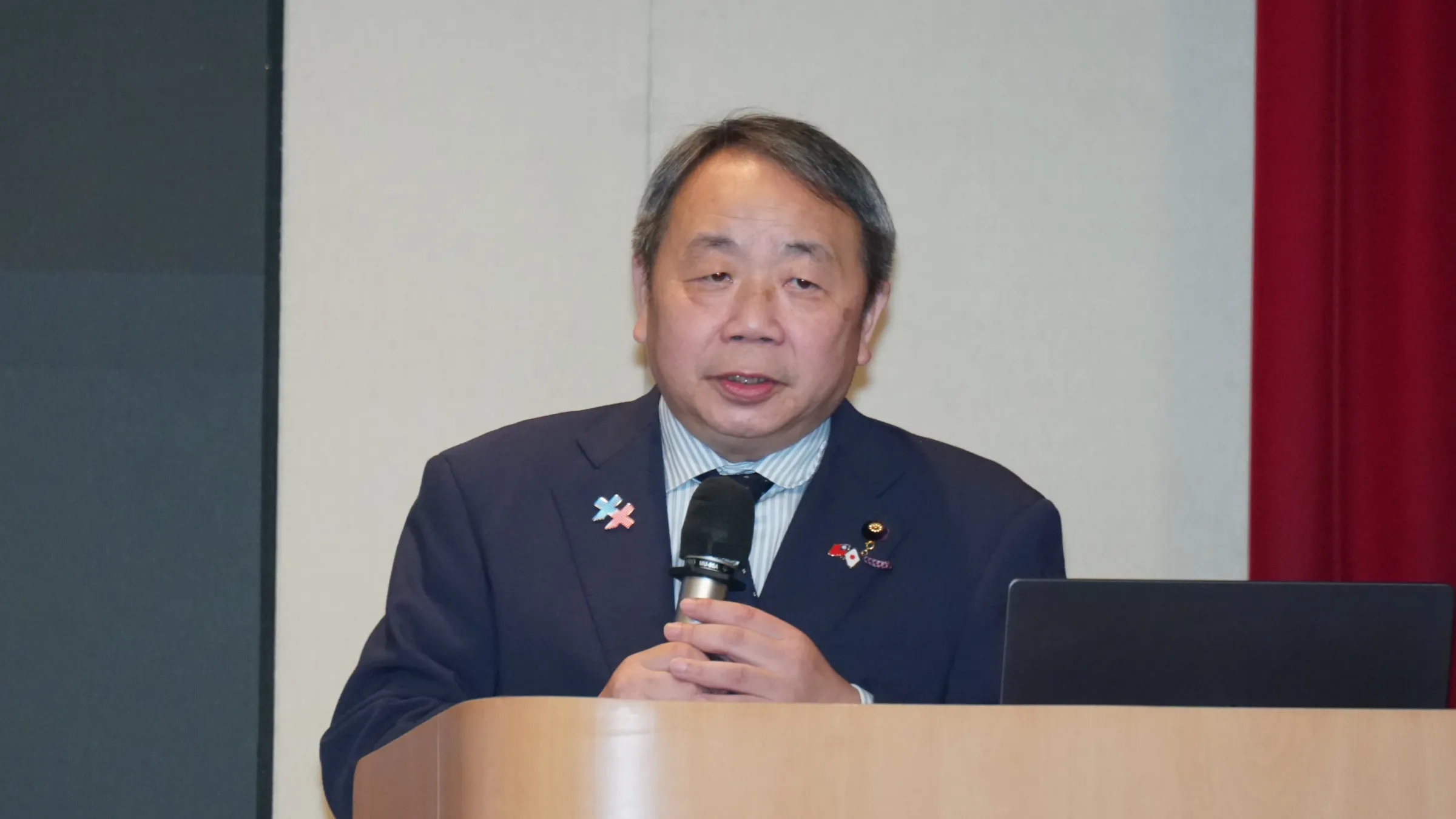
Kiyofumi Iwata, vice president of the Japan Institute for National Fundamentals and a former chief of staff of the Japan Ground Self-Defense Force, proposed that Taiwan-Japan defense industry cooperation start with dual-use components. He pointed to drones as a promising field: Chinese firms dominate about 90% of Japan's drone market, and Taiwan's supply chain free of Chinese components could complement Japanese strengths in motors and other key parts.