French research institutes and chip startups are seeking Taiwanese partners at the research and development stage, signaling that Europe now sees Taiwan as more than a contract manufacturer for its semiconductor ambitions.
For years, foreign governments and customers courted Taiwan mainly for its production capacity, with TSMC at the center of that attention. French officials and executives in Taipei now describe a relationship that is moving upstream, starting with early-stage technology that has yet to reach commercial use and bringing in industrial partners once applications take shape.
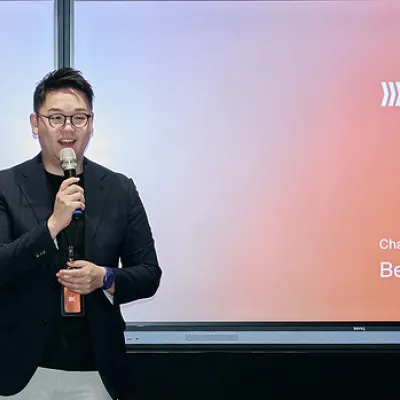
That approach was laid out by Bruno Paing, head of international affairs at CEA-Leti, the microelectronics research laboratory of France's Alternative Energies and Atomic Energy Commission (CEA) and one of Europe's leading public research institutes in the field.
CEA And Powerchip Target Low Power AI Systems
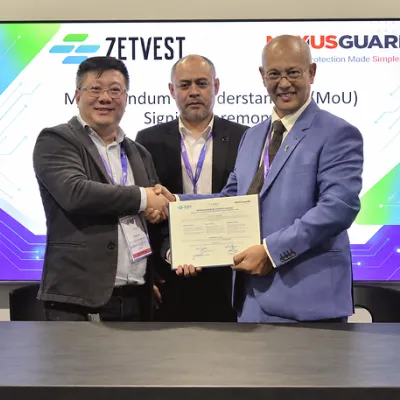
The clearest example came in early April, when CEA-Leti and its sister institute CEA-List, which focuses on smart digital systems, signed a multiyear strategic agreement with Taiwan's Powerchip Semiconductor Manufacturing Corp. (PSMC).
The partnership pairs French expertise in silicon photonics, optical interconnects, and the open RISC-V chip architecture with PSMC's manufacturing strength in advanced processes, particularly 3D stacking. The goal is to develop and commercialize key technologies for next-generation AI systems.
According to the French Office in Taipei, which serves as France's de facto embassy in Taiwan, the project responds to surging global demand for computing power. It aims to address the energy efficiency, data transfer, and infrastructure performance problems facing data centers and AI applications, and to deliver solutions that are more efficient and easier to scale.
Paing described the deal as a partnership between the wider CEA group and PSMC rather than a single lab. CEA-List handles the software and systems side, while CEA-Leti covers hardware. Together they are contributing CEA-List's RISC-V architecture know-how and CEA-Leti's work on gallium nitride (GaN) for photonic applications to help PSMC build new products with lower power consumption and faster data transmission.
Paing Says Europe Brings Research, Taiwan Brings Scale
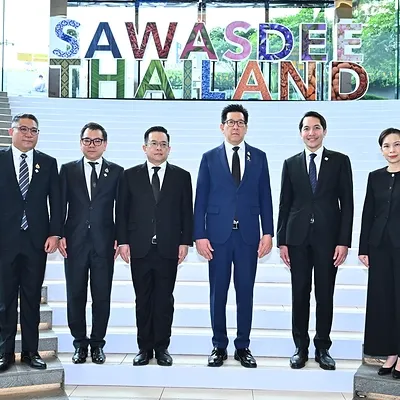
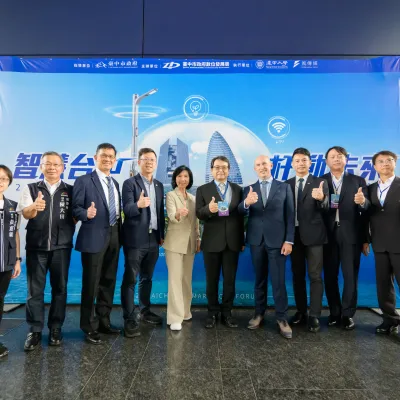
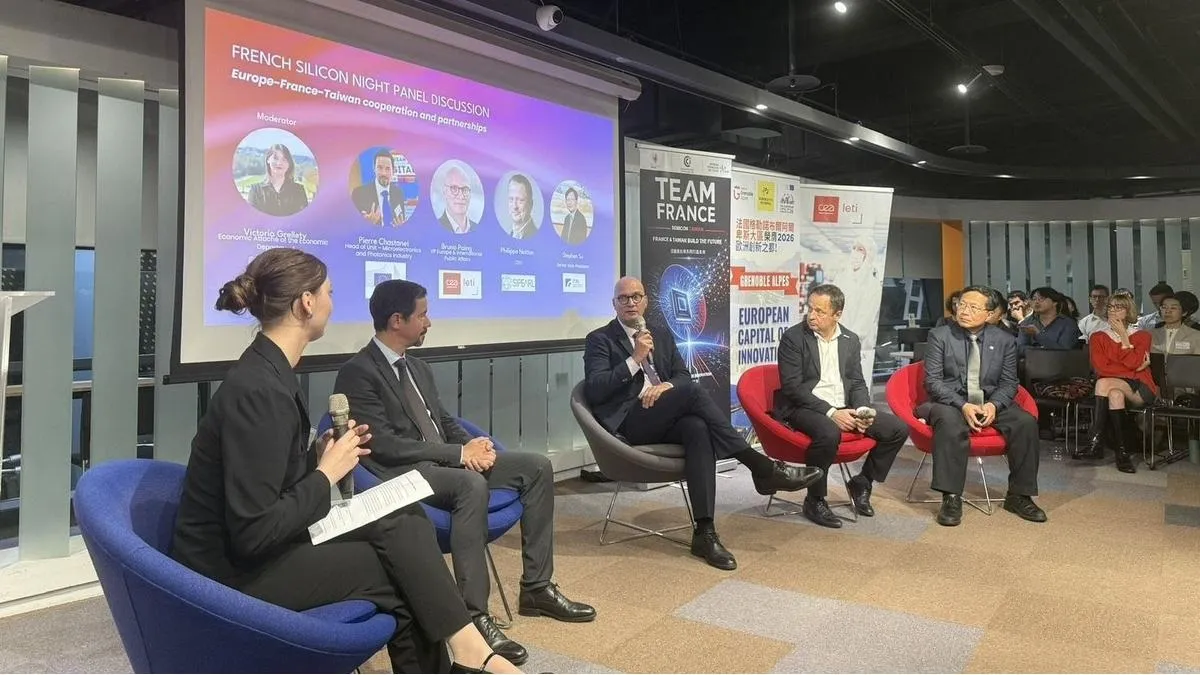
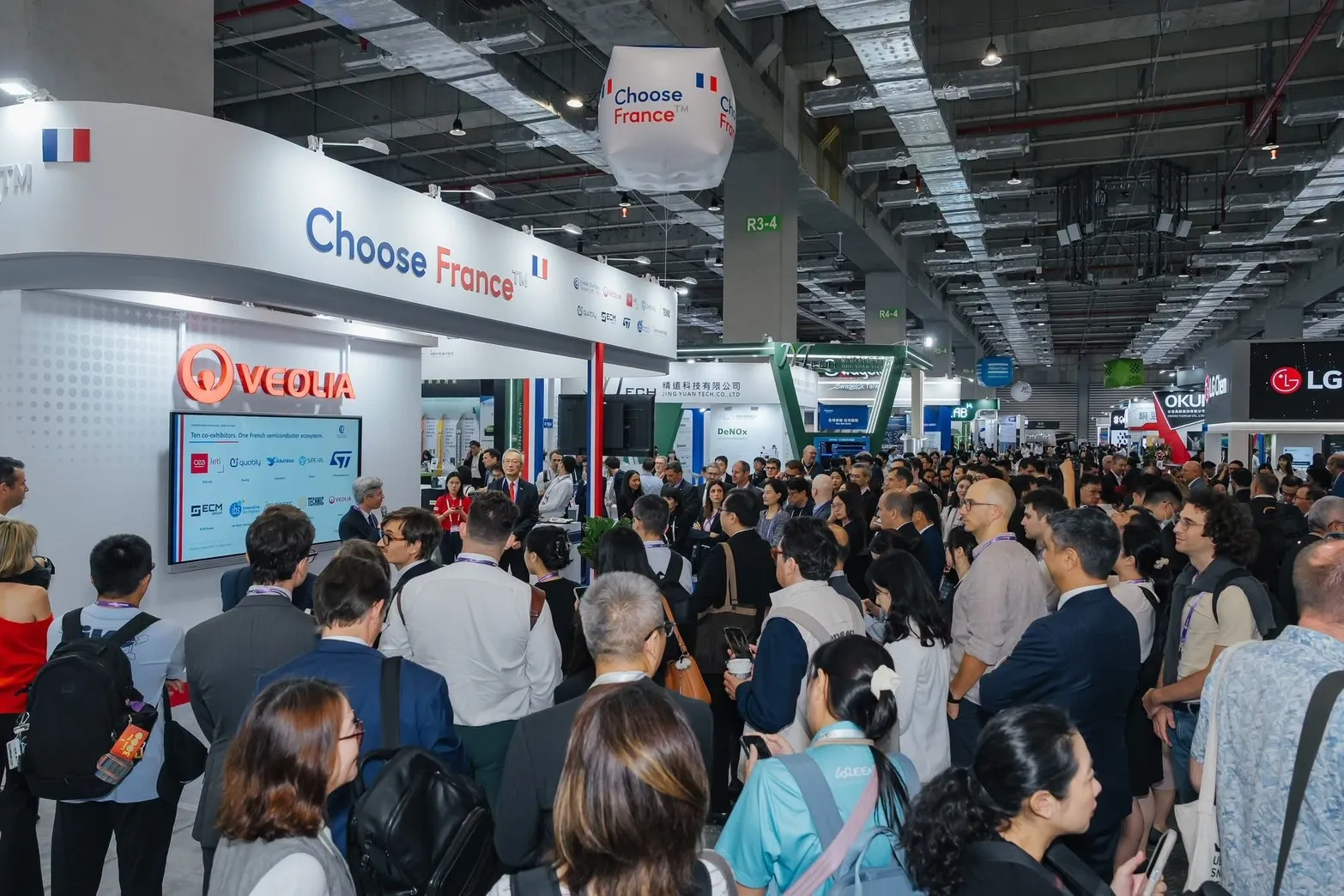
Paing spoke at French Silicon Night, a gathering the French Office in Taipei hosted in early September on the eve of SEMICON Taiwan, the island's largest semiconductor trade show. The event brought together the French delegation, its Taiwanese partners, and local chip startups to discuss where bilateral cooperation is heading.
"Taiwan is number one in the world in semiconductor production, and it is also very strong in design and packaging," Paing said. "In Europe, we have excellent research and development capabilities, and some very good companies in specific fields, so Europe has real strength on both the R&D and the corporate side."
"That is why we can bring some of our expertise to Taiwanese companies," he added. "If you want to be the best research center, you have to work with the best companies."
Paing also stressed that CEA-Leti's role extends beyond France. "CEA-Leti is deeply involved in the European Chips Act and is one of the five semiconductor pilot lines funded under the act across the EU, which should give real momentum to advanced semiconductors in Europe," he said. "So we are not only a French research institute; we also have a European dimension."
Philippe Notton, chief executive of French processor designer SiPearl, put the dependence more bluntly. He has said previously that his company could not operate without Taiwan, because "European fabs simply do not have the process technology SiPearl needs, so we have no choice but to go to TSMC."
"For me, working with Taiwan is natural. You cannot do semiconductors without Taiwan," Notton said. "You have a complete ecosystem, and it's not just TSMC. There are motherboard makers and electronics manufacturers. Every kind of company is here, so there is no way we would not come."
Still, Notton argued that Europe cannot rely on Taiwan's foundries alone. In his view, the continent needs to cultivate far more of its own chip design companies. Only by building a stronger homegrown design industry, he said, can Europe "stand on Taiwan's shoulders" and achieve greater economic security in semiconductors.
France 2030 Puts AI And Chips At Its Core
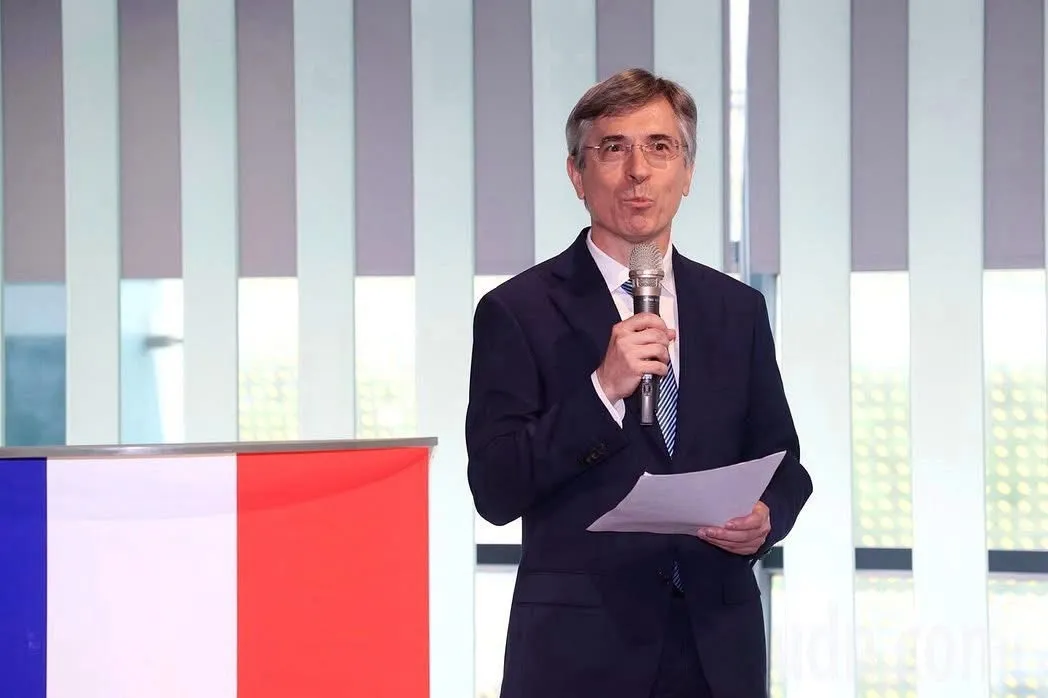
Frédéric Laplanche, who recently took up his post as director of the French Office in Taipei, placed the cooperation within France's broader industrial policy. In 2021, President Emmanuel Macron launched France 2030, a post-pandemic investment plan meant to revive French industry. Its budget was later raised from €30 billion to €54 billion, and AI and semiconductors sit at its core.
"Through this plan, we want to strengthen France's position as an innovation hub in Europe, and this is within a larger European framework," Laplanche said.
He noted that the European Union has its own Chips Act, with a second version expected in 2027. Those efforts, he said, will help France compete for a place in the semiconductor supply chain and deepen its research in advanced microelectronics, which in turn should further expand semiconductor cooperation between Taiwan and France.