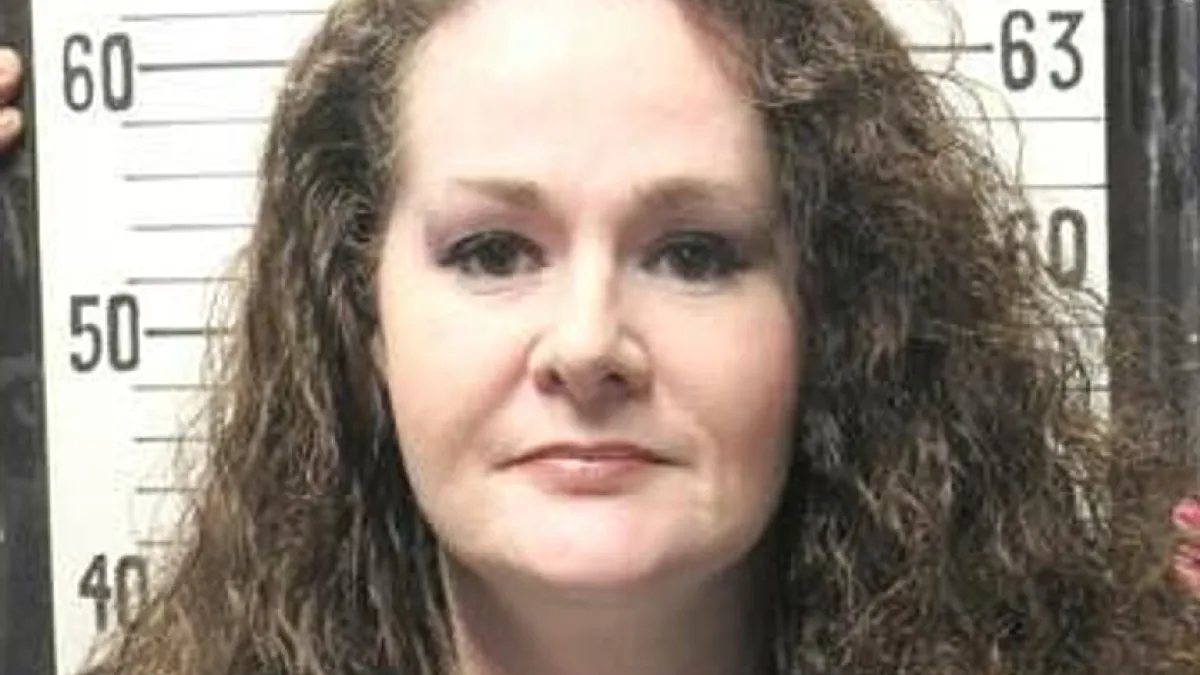
Christa Pike, the Tennessee death row prisoner who survived the state's attempt to execute her by lethal injection, has regained consciousness and is speaking in hospital, her lawyers said on October 6. The 50-year-old is believed to be the only person in the United States known to have survived after execution drugs were administered, and her case has reignited a fierce debate over how, and whether, states should carry out the death penalty.
"Against all odds, Christa Pike is conscious, speaking and continues to receive critical medical care," her legal team said in a statement. "Her recovery is medically unprecedented. Her prognosis remains unclear but, at a minimum, we expect a long recovery."
What Happened In The Execution Chamber
Pike was set to become the first woman executed in Tennessee in about 200 years when prison staff began the procedure on the night of September 30 at Riverbend Maximum Security Institution in Nashville. Instead, attorneys and journalists who witnessed it described roughly two and a half hours of disarray as Correction Department personnel struggled to deliver two doses of the sedative pentobarbital intravenously, Reuters reported.
According to an emergency motion filed by her lawyers, Pike could be heard crying, whimpering and breathing loudly, and at one point said her arm "feels like it's about to burst open." At least seven needles were used to gain IV access, one of which was bent at a 90-degree angle when it was removed. The filing described pentobarbital as caustic and highly alkaline, and said both of Pike's arms were swollen, burned and blistered when she arrived at a Nashville area hospital, ABC News reported.
Prison officials eventually halted the attempt and called an ambulance. Pike was placed on a ventilator in critical condition, and as recently as October 2 her lawyers said she remained unconscious while doctors worked to clear the drug from her system. Even now, despite the severe damage to her arms, she remains handcuffed and shackled to her hospital bed, her attorneys said.
Warnings That Went Unheeded
Pike's lawyers had warned before the execution that her small veins and a blood disorder, thrombocytosis, along with post-traumatic stress disorder, created a substantial risk of unnecessary pain and suffering. They accused state officials of brushing off those concerns. The state pressed ahead, and the US Supreme Court allowed the execution to proceed.
Randy Spivey, one of her attorneys, called the process "cruel and torturous." The Death Penalty Information Center's executive director described the failed attempt as "the worst we've ever seen and unlike any other botched execution in the modern era," according to ABC News.
How Tennessee Has Responded
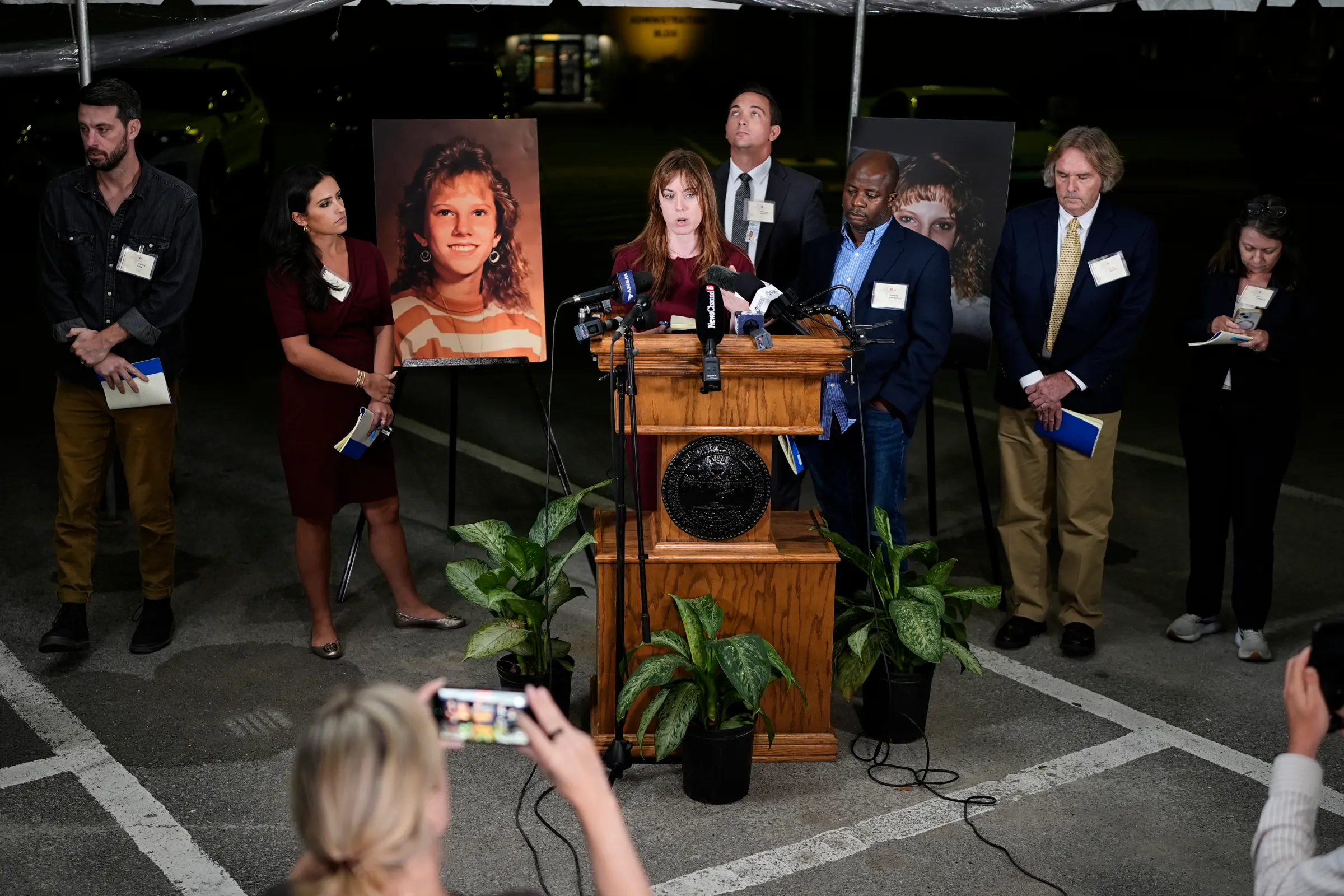
On the night of the attempt, the Tennessee Department of Correction said it had "followed every step of the state's lawful, established execution protocol." Since then, Republican Governor Bill Lee has suspended scheduled executions for the rest of the year and appointed former US Attorney Ed Stanton to lead an independent review of whether the protocol was followed and whether changes are needed. Stanton previously reviewed the state's lethal injection protocol in 2022, a review that led to a substantial rewrite before executions resumed.
Correction Commissioner Frank Strada has resigned and will leave this month. He had faced mounting scrutiny, with Pike's lawyers saying hers was the fifth botched execution under his leadership across two states, The Guardian reported. The department confirmed Pike remains hospitalized but declined to give details of her condition, citing federal privacy law.
The Legal Fight Ahead
A hearing was scheduled for October 7 in Davidson County Chancery Court on the defense team's request for an order requiring the Correction Department to preserve all physical, written and electronic evidence from the execution attempt. The lawyers say that evidence will show the state violated Pike's constitutional protection against cruel and unusual punishment. Pike was not expected to attend.
Her attorneys, Spivey and Kelly Gleason of the Tennessee Office of the Post Conviction Defender, and Stephen Ferrell and Luke Ihnen of Federal Defender Services of Eastern Tennessee, are again urging Lee to commute her sentence to life in prison without the possibility of parole. Lee rejected her clemency petition two days before the execution attempt. The lawyers also thanked the first responders and hospital staff "who treated Christa like a human," and the thousands of people around the world who sent messages of support.
The Crime Behind The Sentence
Pike was 18 in January 1995 when she, her 17-year-old boyfriend Tadaryl Shipp and a third companion lured 19-year-old Colleen Slemmer, a fellow student at the Knoxville Job Corps, into a wooded area on the University of Tennessee campus in Knoxville and killed her. Prosecutors said Pike saw Slemmer as a rival for Shipp's affections. The killing, which involved a box cutter, a pentagram carved into the victim's chest and Pike keeping a piece of Slemmer's skull, drew national attention for its brutality and the ages of those involved.
Pike and Shipp both confessed and were convicted of first-degree murder. Pike was sentenced to death, while Shipp received life with the possibility of parole. The third participant, Shadolla Peterson, who acted as a lookout, testified for the prosecution and received probation.
Pike has never denied her role. She was later diagnosed with bipolar disorder and post-traumatic stress disorder, and her clemency petition argued that her own childhood trauma, including sexual abuse and neglect, was never properly considered at sentencing. "I was a mentally ill 18-year-old kid," she said in a statement included in the petition. "I took the life of someone's child, sister, friend. It sickens me now to think I had the ability to commit such a crime." She has spent nearly 30 years in solitary confinement as the only woman on Tennessee's death row.
Why The Case Matters
The failed execution drew condemnation across the political spectrum. Death penalty opponents say it exposes the inherent cruelty of executions and the difficulty of carrying out lethal injections without violating constitutional limits. Sister Helen Prejean, one of America's best-known advocates for abolishing the death penalty, told The Guardian it was "the essence of cruelty" to make a person anticipate her death again and again and then try to kill her.