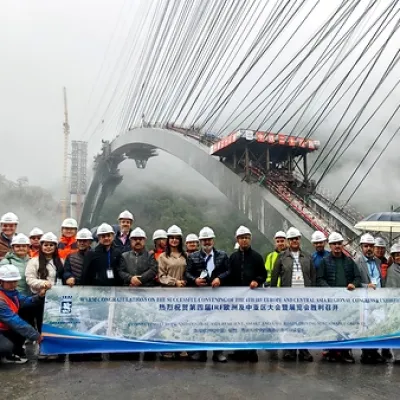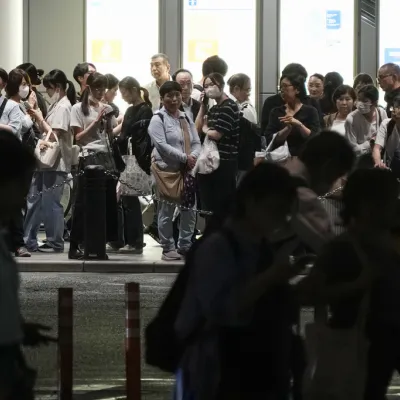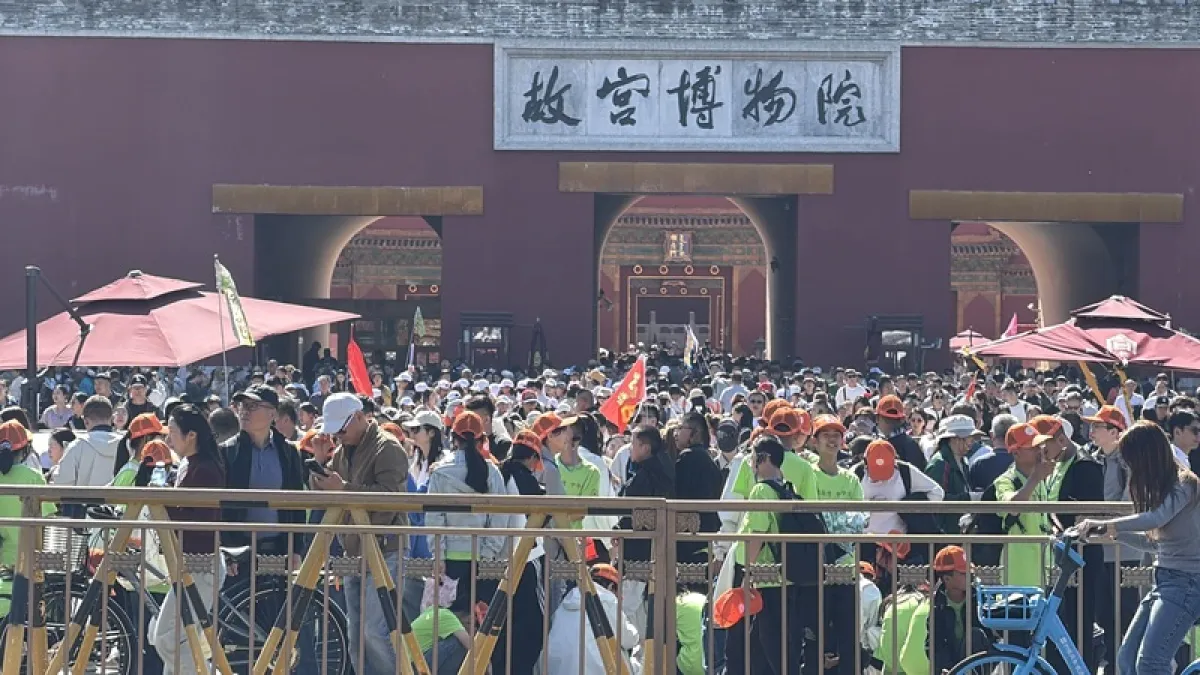
Chinese travelers are packing some of the world's best-known sights during this year's National Day holiday, yet industry figures and analysts point to a K-shaped pattern: strong crowds, squeezed budgets.
A rare calendar alignment, with the Mid-Autumn Festival running straight into the National Day break, lets workers stitch together 13 days off by taking only three days of leave. China's civil aviation regulator says international ticket bookings are up 22.5% from a year earlier, while flight volume on long-haul routes to destinations such as Britain, Germany, and Spain has risen 15%.
The surge is visible far from home. Travelers describe walkways near Australia's Twelve Apostles rock formations along the Great Ocean Road filled almost entirely with East Asian faces. In Florence, Italy, city buses are said to be so full of Chinese passengers that riders cannot tap their transit cards and ticket inspectors cannot board, and in the comparatively remote Dolomites, a greeting to another Asian hiker usually turns out to be answered by a fellow Chinese traveler.
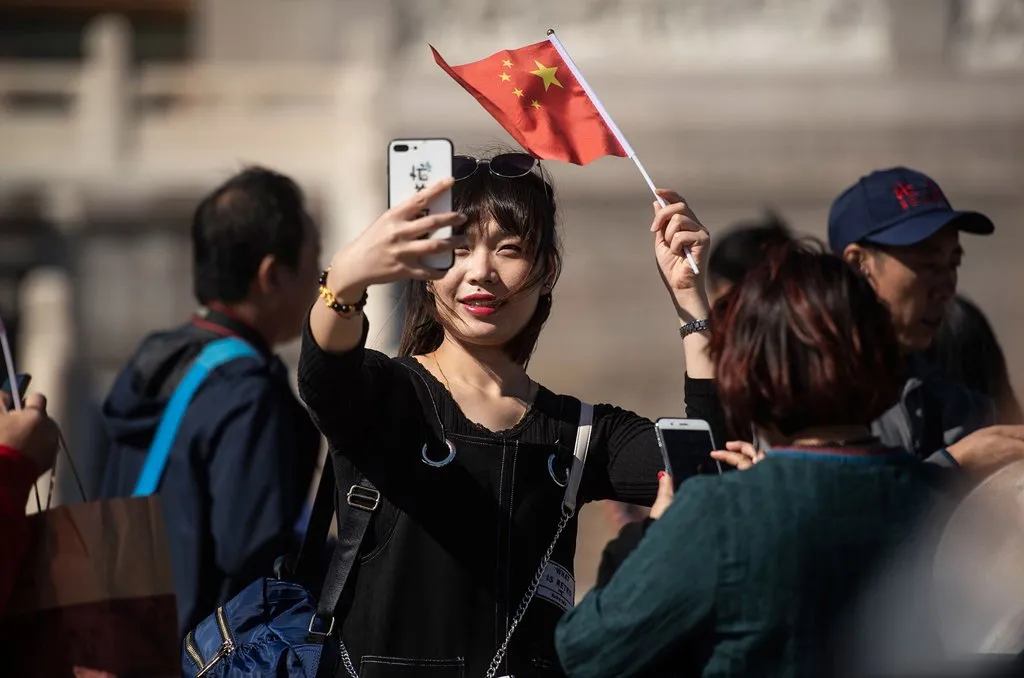
This reporter spent the Mid-Autumn break in Taiyuan, the capital of Shanxi Province, and the National Day break cycling around the Beijing-Tianjin-Hebei region. Travel is hot, but spending did not heat up with it.
Flight Bookings Climb As Trip Budgets Tighten
The gap shows up first in official data. Calculations based on government figures show that last year's Golden Week produced more trips but average spending of only about 911 yuan per trip, a three-year low. Analysts expect a similar story this year: travel volume may set another record, but spending per person is unlikely to rise in any lasting way.
An analyst at Hong Kong brokerage Forthright Securities said travelers remain eager to go but are cautious about what they spend, a "K-shaped" pattern in which volume runs hot while prices per unit come under pressure.
Hotel Budgets Reveal A Cautious Outbound Market
Outbound travel data tells a similar story. A Dragon Trail survey found that only 5% of Chinese outbound travelers plan to stay in luxury hotels, while more than half set a nightly budget below 1,000 yuan. Mid-range and economy lodging together account for more than 60% of plans.
Travel platforms such as Ctrip report fast growth in long-distance, multi-destination itineraries, including a sharp rise in hotel bookings of seven nights or more. Budgets, however, remain rational, with value for money coming first.
Much of this wave consists of office workers aged 25 to 45 and young families. They stretch their leave for far-flung trips, but many join package tours or follow meticulously researched guides, often built on the same recommendations from Xiaohongshu, the lifestyle app also known as RedNote, that send everyone to the same viral dishes.
Even travelers who leave off-peak run into compatriots at trendy London restaurants, Italian mountain trails, and the Australian coast, turning each into a kind of mobile Chinese social circle. That reflects both the sameness of social media recommendations and a preference for safe choices on a limited budget: familiar, predictable, and good value.
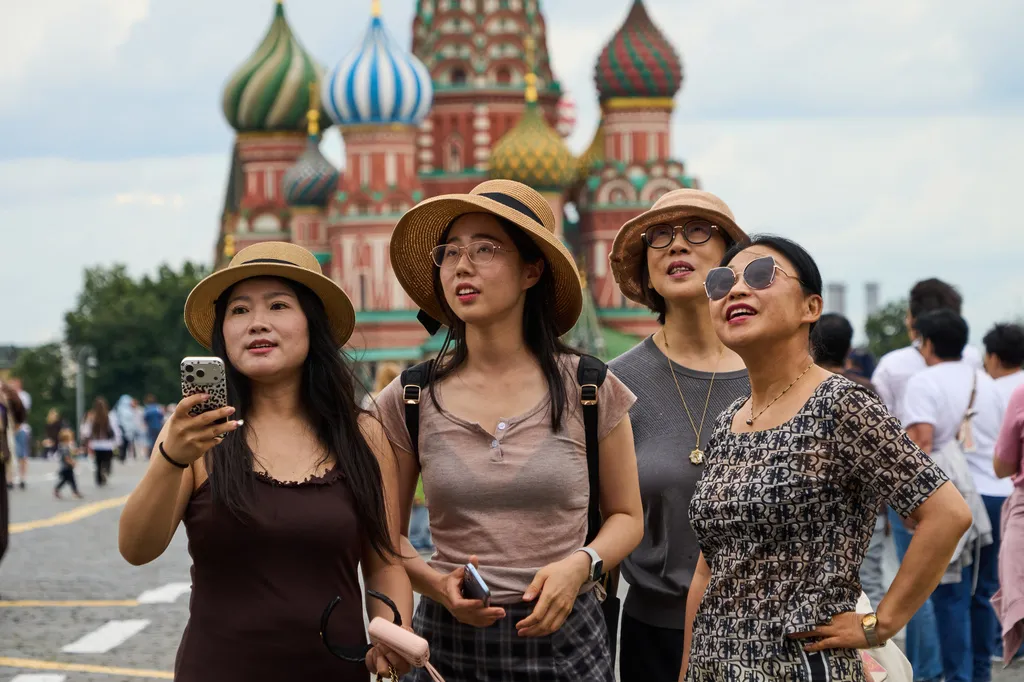
Young Travelers Cram Sights And Skip Meals
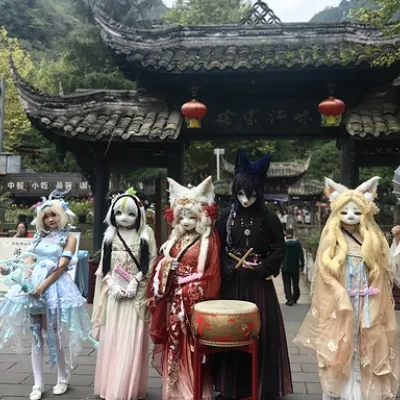
Younger travelers favor what Chinese social media calls "special forces-style tourism": cramming as many sights as possible into limited time, with the goal of simply having seen them. Food and shopping are kept to a minimum, and some skip meals to keep to the schedule. At Beijing attractions, young visitors were seen changing out of period costumes while hurrying to the next stop, with no time to try douzhi, the fermented mung bean drink that is a Beijing specialty.
The crowds are real at home as well. On expressways, owners of new energy vehicles queue for hours, sometimes until dawn, for a charger, and some service areas cap charging at 80% to move drivers along. At Hengdian World Studios in Zhejiang Province, a 218-yuan short-drama experience that lets visitors act out scenes sold out, with a slapping scene in the style of the palace drama "Empresses in the Palace" the most popular.
Property Slump And Job Worries Cloud The Mood
Official media have been notably restrained. In past years, state outlets filled their feeds with stories about a booming holiday economy, but a review of several state media WeChat accounts this year turned up mostly road warnings and local tourism recommendations. Officials also appear to want attention to move from screens to real-world sites: at popular spots in Hebei and Beijing, local culture and tourism bureaus have set up booths offering visitors free guided tours.
Crowds, in other words, are not the same as spending. Sluggish growth in retail sales, a drag from the property market, and pressure on youth employment have turned travel into an emotional outlet rather than a sign of big spending. A weak housing market has shrunk household wealth and dimmed expectations, while youth unemployment and the pressures of "involution," China's term for relentless competition, are pushing experiences ahead of showing off. The old outbound formula of luxury shopping sprees and stacked high-end hotels has given way to trips that are long but cheap.
Chinese tourists were once the global travel industry's cash machine. The crowds are still there, but the spending is now more calculated and restrained. (Related: China's GDP Slump Forces Finance Workers to Live on $4 Takeout | Latest )