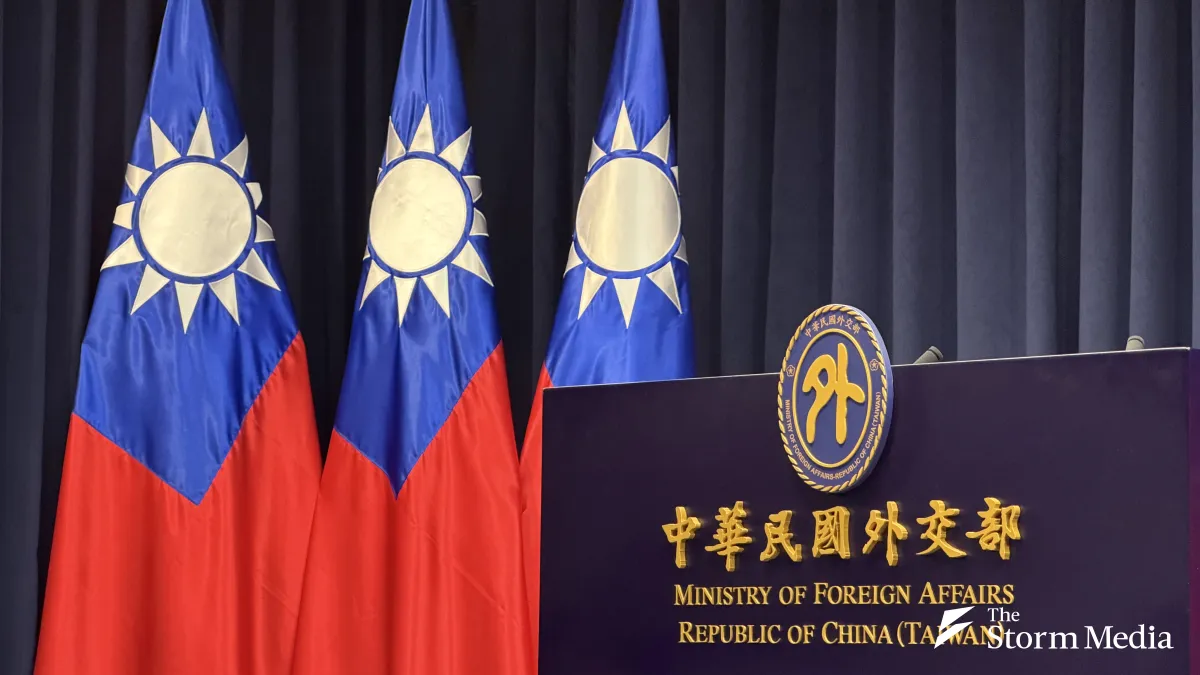
Taiwan's Ministry of Foreign Affairs said on October 5 that it will deepen intelligence sharing and security cooperation with the United States and other democratic partners to protect Taiwanese citizens abroad. The pledge came a day after US federal agents arrested a California woman accused of spying on the eldest son of President Lai Ching-te (賴清德) on Beijing's orders.
What Taiwan's Foreign Ministry Said
In a statement responding to the case, the ministry strongly condemned what it called China's transnational repression. It said Beijing's conduct violates human rights, breaches international law and undermines the sovereignty of other countries, and it called on the international community to condemn the practice and push back together.
The response followed an earlier statement from Taiwan's Presidential Office, which also condemned Beijing for carrying out illegal repression across borders after news of the arrest broke.
Prevention, Protection And Countermeasures
The ministry said its approach to keeping Taiwanese nationals safe overseas rests on three principles: prevention, protection and countermeasures. Under that framework, Taipei will keep working closely with Washington and all of its democratic partners, strengthen intelligence sharing and security mechanisms, and jointly combat illegal threats that cross national borders. The ministry framed the effort as part of defending the universal values of freedom, democracy and human rights.
It also thanked US judicial and law enforcement agencies for moving quickly to protect human rights and the safety of Taiwanese people living in the United States.
The Allegations Behind The Arrest
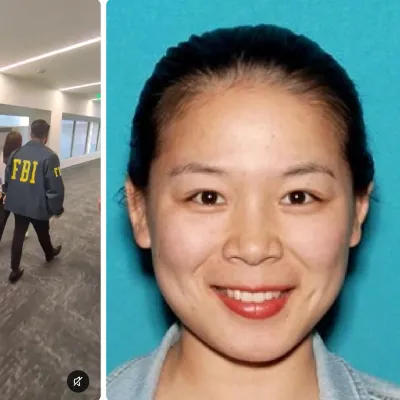
The FBI arrested Wanying "Heather" Zhang (張婉瑩), a 34 year old real estate agent from Irvine, California, at Los Angeles International Airport on October 4 as she prepared to board a flight to Shanghai, Storm Media previously reported. She is charged in a federal complaint with acting as an unregistered agent of the People's Republic of China.
According to the affidavit, Zhang traveled to the Seattle area in 2025 and, at the direction of Chinese officials, surveilled Lai Ting-yu (賴廷與), the president's eldest son, photographing his home and vehicles and passing photos, videos and license plate details to her contacts. First Assistant US Attorney Bill Essayli announced the arrest on X, noting that defendants are presumed innocent until proven guilty.
Why The Case Matters For Taiwan
In the complaint, an FBI counterintelligence agent wrote that knowing where the president's close relatives live, along with images of their homes and cars, would give Beijing valuable leverage over Taiwan's leader in a potential conflict.
The case is the latest in a series of incidents that Taipei has described as Chinese pressure on its people beyond its borders. Earlier this year, the government accused Beijing of cross border repression after an attack on Japanese commentator Akio Yaita. The foreign ministry's latest statement signals that Taiwan intends to treat such threats as a shared security problem with its partners, with Washington at the center.