 |
- Findings from Visa Consumer 360 research, surveying 14,250 consumers across 14 Asia Pacific markets, point to growing interest in stablecoins.
SINGAPORE, Oct. 5, 2026 /PRNewswire/ -- Visa, a world leader in digital payments, today released new survey findings on stablecoin awareness and consumer sentiment in Asia Pacific. The research reveals growing interest in practical uses such as everyday spending, travel and cross-border money movement, while limited understanding and concerns around trust remain barriers to wider use.
As stablecoins move beyond their crypto-native roots, consumers are beginning to view them less as a crypto-trading instrument and more as a potential tool for everyday spending, travel and cross-border transfers. Yet misconceptions remain widespread, with close to half believing stablecoins can only be used to buy or sell other cryptocurrencies. Turning this interest into everyday utility will depend on making stablecoins easier to understand and use through trusted, familiar and regulated payment experiences.
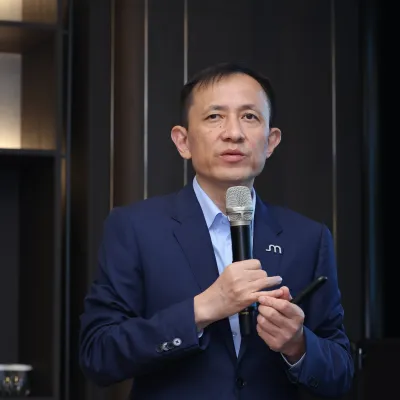
"We're seeing a meaningful shift in how consumers across Asia Pacific think about stablecoins," said Nischint Sanghavi, Head of Digital Currencies, Asia Pacific at Visa. "Consumers are beginning to see how stablecoins could support the ways they already spend and move money, particularly through online purchases, travel and cross-border transfers. The opportunity now is to turn that interest into trusted and familiar payment experiences that work at scale."
Consumers show rising interest in everyday stablecoin use
Across Asia Pacific, 46% of consumers say they are likely to use stablecoins within the next five years, compared with 16% who have used them in the past 12 months. Interest extends to everyday online purchases, travel spending and overseas shopping, pointing to potential use beyond investment or crypto trading. Cross-border money movement is another area of potential, with 49% believing stablecoins could become a common way to move money across borders within five years.
This points to possible relevance for remittances, international transfers and other payment needs. Yet understanding has not caught up with these emerging use cases: 49% of consumers who are aware of stablecoins still believe they can only be used to buy and sell other cryptocurrencies.
Market-level findings show where stablecoin awareness and intent are strongest across Asia Pacific. Hong Kong (84%), India (80%) and Thailand (77%) recorded the highest awareness, while Vietnam (67%) and India (67%) showed the strongest intent to use stablecoins within the next five years. These findings highlight the importance of making stablecoins available through secure payment experiences consumers already recognise and trust. Visa is already working with banks, regulated financial institutions and payment partners to connect stablecoin capabilities with familiar ways to pay and move money.
Stablecoin awareness is mainstream, but trust and understanding remain barriers
Stablecoins have entered mainstream awareness across Asia Pacific, with 66% of consumers aware of them. Yet only 6% demonstrate an accurate understanding of how stablecoins work, while misconceptions remain with 41% believing that stablecoins always increase in value.
Trust is also holding consumers back. Among those who are aware of stablecoins but have never used them, 38% cite concerns about fraud or scams, while 36% point to a lack of understanding. Consumers show the strongest preference for regulated institutions, with government or central bank-linked entities (27%) and banks or regulated financial institutions (26%) ranking as the most trusted providers.
While interest is growing, adoption will depend less on awareness alone and more on whether stablecoins can be made understandable, secure and useful in everyday payment contexts. The findings underscore the need for trusted and familiar ways to access stablecoins. Visa is working with banks, regulated financial institutions and payment partners to bring greater security, compliance and usability to stablecoin-enabled experiences, including through the Visa Stablecoin Platform, which helps clients mint, move and manage stablecoins.
"This research confirms what we've been building toward," added Nischint. "Consumers want stablecoins to feel like a natural part of the payments they already trust, not a separate system. Our role is to connect emerging stablecoin technology with the secure, familiar payment experiences consumers rely on every day."
About Visa Consumer 360 study
The Visa Consumer 360 study was commissioned in 2026, with fieldwork conducted between June and July 2026. The study surveyed 14,250 consumers aged 18 to 65 across 14 Asia Pacific markets: Mainland China, Taiwan, Hong Kong, Japan, Korea, Singapore, Malaysia, Thailand, Indonesia, the Philippines, Vietnam, India, Australia and New Zealand.
About Visa (Related: E&R Engineering to Launch New Malaysia Plant: Expanding Global Packaging Materials Production and Localized Services | Latest )
Visa (NYSE: V) is a world leader in digital payments, facilitating transactions between consumers, merchants, financial institutions and government entities across more than 200 countries and territories. Our mission is to connect the world through the most innovative, convenient, reliable and secure payments network, enabling individuals, businesses and economies to thrive. We believe that economies that include everyone everywhere, uplift everyone everywhere and see access as foundational to the future of money movement. Learn more at Visa.com.