Micron's advanced packaging chief in Taiwan said on October 1 that mass production of the company's HBM4 memory chips is proceeding smoothly, as the next generation of AI memory becomes less a standardized commodity and more a custom-built product shaped around each major customer's computing platform.
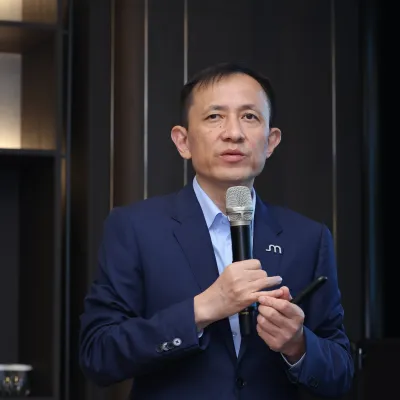
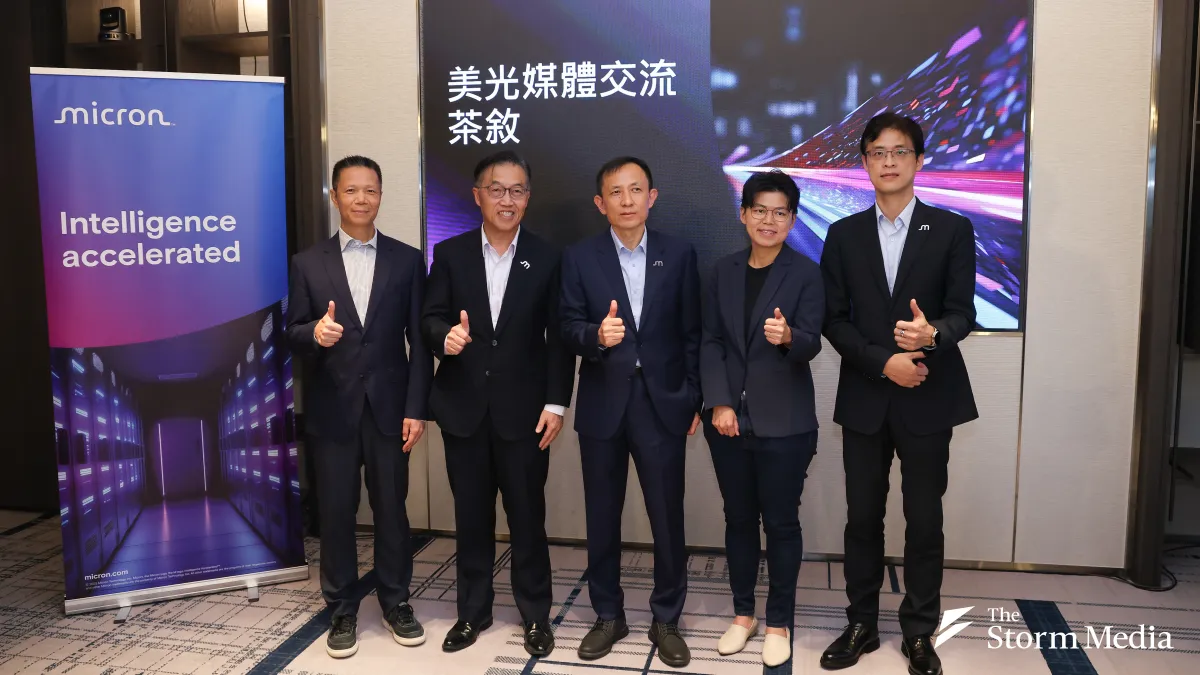
Speaking at a media briefing in Taiwan, Alex Chang, vice president of advanced packaging and testing operations at Micron Memory Taiwan Co., said that as HBM grows more important and more valuable, memory makers are being pulled deeper into the design process alongside customers and their packaging partners. Development now has to account for the specific platform a customer uses, the stack height it requires and how the memory integrates with surrounding hardware, all while meeting strict performance, quality and schedule targets.
HBM4 Output Climbs While HBM4E Takes Shape With Customers
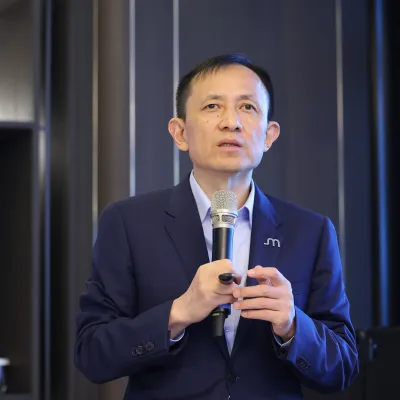
On the next-generation HBM4E, Lu Dong-hui, chairman of Micron Memory Taiwan Co., said the work is no longer something Micron can do alone. The company is coordinating closely with major customers, including Nvidia, to try to move the development timeline forward, and Lu said progress is going well. He did not give a specific timetable for HBM4E's development or mass production at the briefing.
Chang said Micron is working closely with both Nvidia and AMD as each rolls out next-generation platforms that call for different stack heights, with Micron contributing to that technical progress directly. He added that current HBM4 production is going smoothly, with lessons from Micron's earlier HBM generations helping speed up the learning curve on the new product. Neither executive disclosed specific yield figures or a detailed timeline for HBM4E qualification and ramp-up.
Customization Pulls Memory Makers Into Deeper Design Work
That shift toward customization means the relationship with customers no longer ends once a chip ships, according to Chang. Memory makers now need tight coordination with both customers and their packaging partners to accommodate differing design requirements, he said, since HBM today comes in varied configurations and custom designs that cannot be understood through the lens of standardized, off-the-shelf memory products.
Why Taiwan Treats Wafer Fabrication And Packaging As One System
"The HBM manufacturing process itself combines front-end wafer fabrication with back-end packaging and testing. It is not simply a packaging and testing operation," Chang said. He pointed to Taiwan's combination of wafer fabrication technology and talent, back-end packaging and test capability, and a dense local supplier base as the foundation that supports both HBM manufacturing and the technology integration it now requires.
Asked how advanced packaging technologies such as Taiwan Semiconductor Manufacturing Co.'s CoWoS and Intel Corp.'s EMIB could create new collaboration opportunities as AI chips move to more advanced process nodes, Chang said customization has strengthened the link between HBM and whichever packaging approach a given customer adopts. Working closely with key integration partners, he said, helps Micron meet customers' demanding requirements on speed, quality and delivery schedules.
A Complete AI System Still Needs Every Piece To Align
Lu framed the challenge from a systems-level view, echoing comments he has made elsewhere about why the company's internal mantra is simply "Together." Even with advanced HBM ready to ship, he said, a customer cannot get a complete product if TSMC's CoWoS packaging or Nvidia's computing platform has not caught up. The reverse is also true: a platform and packaging that are ready mean little if HBM supply lags behind.
That interdependence, Lu said, is why advancing HBM technology and expanding its production capacity has to be coordinated with customer platforms and packaging integration at every stage, from early-stage development of next-generation chips through full system delivery.
Original Article In Chinese (Related: Micron's AI Memory Race Pulls Taiwan Suppliers to US, Japan, Singapore | Latest )