Some Around Takaichi See A Shift Chijiiwa Says He Does Not
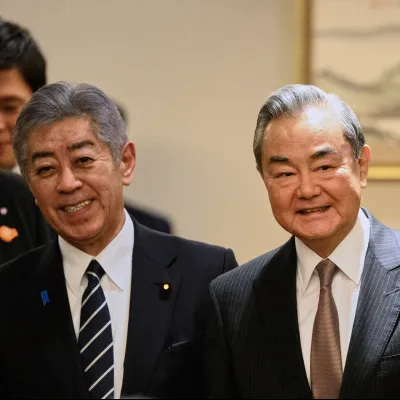
Former Japanese Foreign Minister Takeshi Iwaya met Chinese Foreign Minister Wang Yi on September 28 and Vice Premier He Lifeng the following day in Beijing, as chairman of the Japan International Trade Promotion Association. According to Kyodo News, it was the first time China's leadership had met with a Japanese politician since relations soured over Prime Minister Sanae Takaichi's November 2025 remarks on a Taiwan contingency.
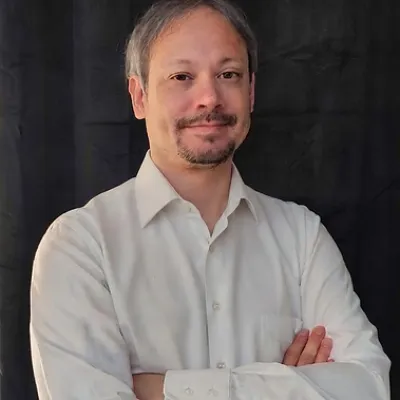
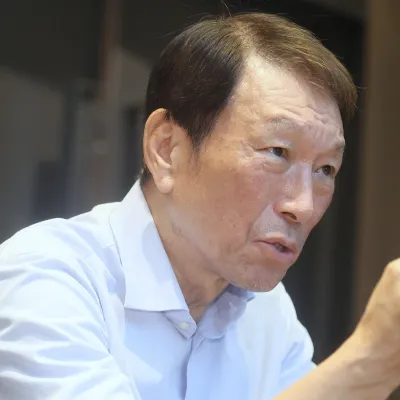
Japanese reactions to the meetings have split. Chijiiwa Morio, a former head of TV Asahi's China bureau who now appears as a commentator on the network's Hodo Station program, said on air that several people close to Takaichi see the meetings as evidence China's posture has "shifted a little," with some even calling Iwaya's visit "meaningful" or "a good thing." Chijiiwa himself disagrees. He argued that Wang and He's willingness to meet Iwaya reflected courtesy extended to Iwaya personally, rather than any goodwill gesture toward the Takaichi government, and carries no substantive meaning for improving relations.
The Foreign Ministry Says China Has Not Changed Its Position
Japan's Foreign Ministry has taken a more cautious view than those around the prime minister. The Yomiuri Shimbun reported on September 29 that the government is watching to see whether the talks can actually open up the relationship, with one ministry official saying China's position "has not changed much, and you can't really say anything has started moving because of this."
Only One Channel Is Left And A Senior Official Calls It Close To No Negotiation
The Yomiuri report also described the current state of government to government contact between the two countries. Dialogue between Tokyo and Beijing now runs almost entirely through a single channel, between Vice Foreign Minister Takehiro Funakoshi and Chinese Ambassador to Japan Wu Jianghao, which one senior Japanese government official described as close to having "no real negotiation" at all. The Yomiuri report said there is still no clear prospect for a Japan China leaders' summit at this autumn's international conferences.
Beijing Did Not Lower Its Conditions
Beijing did not soften its substantive demands in the talks themselves. Wang Yi called on Japan to urgently correct its leader's erroneous statements on the Taiwan question, while He Lifeng told Iwaya the following day that some Japanese politicians were pushing up against China's bottom line, a term for a line that cannot be conceded, rather than the more escalatory "red line" language that some other outlets covering this dispute have used. Both officials were referring to Prime Minister Takaichi's parliamentary remarks in November 2025, when she said that if Taiwan came under armed attack involving warships, it could constitute a "survival threatening situation," a legal threshold under which Japan could exercise collective self defense alongside its allies.
Kihara Declines To Comment But Says More Communication Is Needed
Asked about the Iwaya talks on September 29, Chief Cabinet Secretary Minoru Kihara said the visit was the activity of a private economic organization and that the government would not comment on it directly. He added that precisely because unresolved issues and differences of opinion exist between the two countries, multi layered communication across a broad range of areas is all the more necessary.
Hodo Station's Anchor Says Tokyo Should Find Its Own Landing Point
That same evening, Kensuke Ohkoshi, a former NHK reporter who now anchors TV Asahi's Hodo Station, turned the question back toward Tokyo. He noted that Takaichi has repeatedly stressed the importance of maintaining a "strategically mutually beneficial relationship" with China, which he said means placing weight on shared interests and building a stable relationship, something that requires resolving the two countries' problems one at a time. With friction from Takaichi's Taiwan remarks now dragging on for nearly a year, Ohkoshi said the moment has come to work it out, and that the government itself should proactively find a landing point for the dispute. He did not call on Takaichi to withdraw her remarks, nor did he suggest Japan should accept Wang Yi's demand that they be corrected.
Keidanren Is Not Waiting On Tokyo To Act
Keidanren Chairman Yoshinobu Tsutsui did not wait for the government's assessment. On September 29 he said he "highly evaluates" the Iwaya Wang Yi meeting, stressed that Japan should keep working to improve relations through dialogue and mutual understanding, and announced that Keidanren will send a small delegation to China in mid November. According to Japanese media reports, the delegation will be made up of member companies with ties to Chinese economic groups, with a visit to observe advanced technology developments in the regions among the itinerary options still under discussion.
Taiwan Contingency: Full Timeline
From Prime Minister Sanae Takaichi's November 2025 remarks in parliament to the latest developments, our timeline tracks every key turn in the Japan-China standoff and is updated regularly.
(Related:
Japan's Former Foreign Minister Meets Senior Chinese Leaders As Beijing Presses Tokyo Over Taiwan Remarks
|
Latest
)