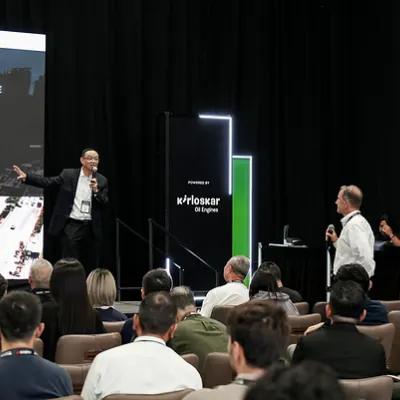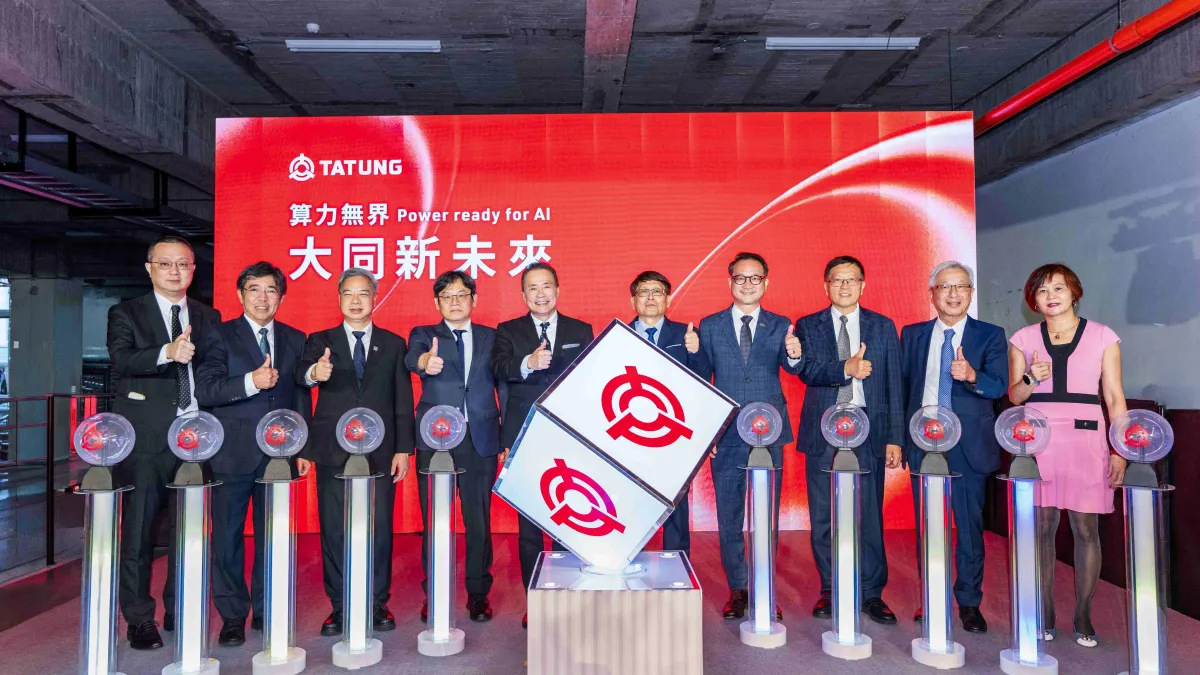
Taiwan's Tatung Company introduced a new modular AI data center (AIDC) infrastructure solution called TTG AIDC CUBE on September 30, entering the market for AI infrastructure equipment. The launch took place at an event in Taipei titled "Power Ready for AI."
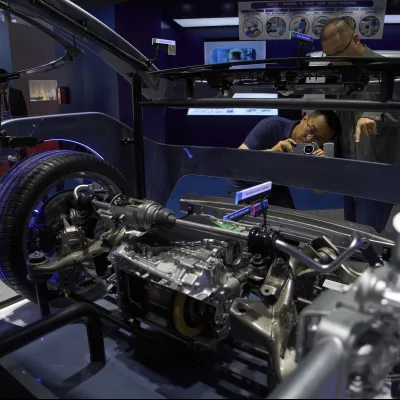
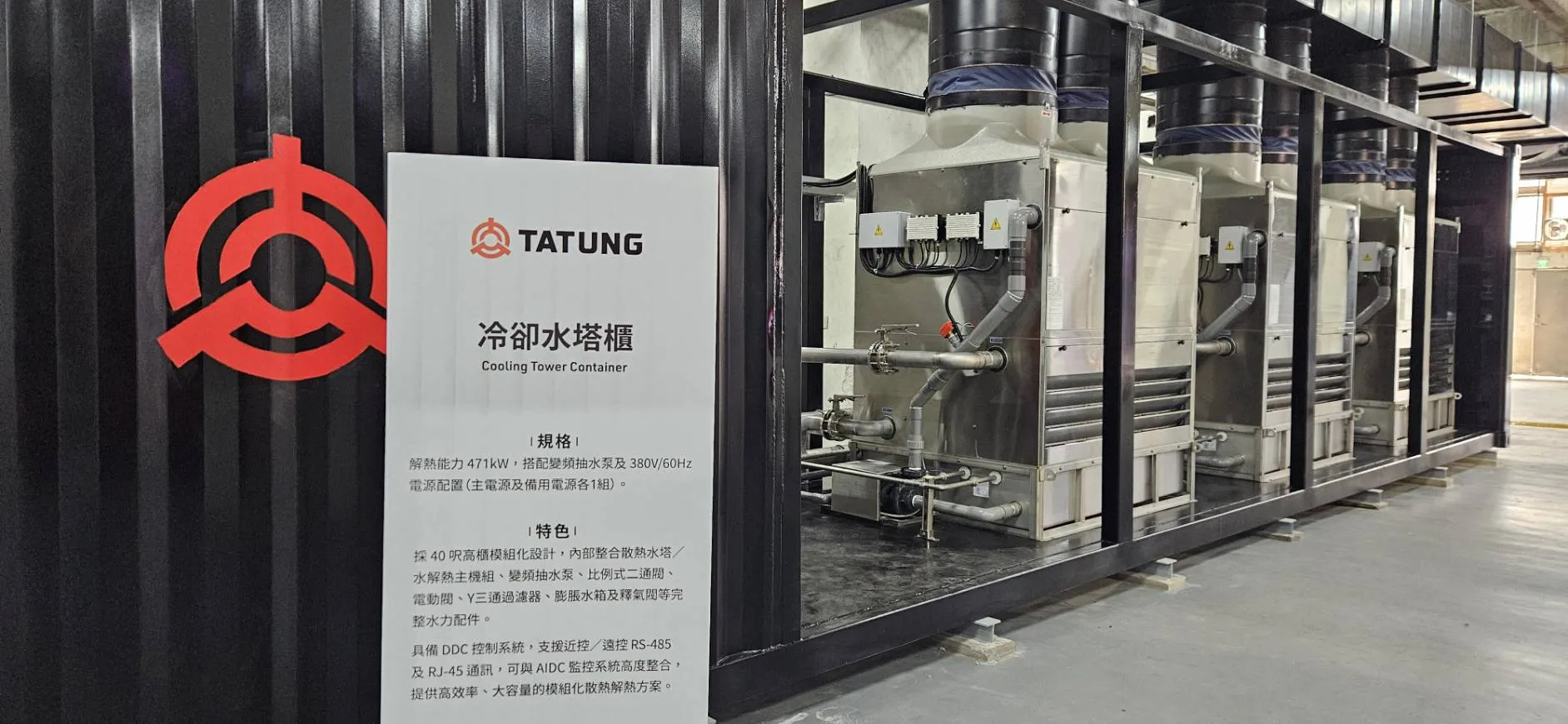
The platform combines power supply, cooling, energy management, monitoring and compute systems into a single modular framework. Tatung said the design is intended to shorten deployment timelines compared with conventional data centers, with a target of moving from grid connection to operational compute capacity within 180 days.
Tatung Chairman Chang Jung-hua (張榮華) led the company's delegation. Guests included National Development Council Minister Yeh Jiunn-Rong (葉俊顯), representing Premier Cho Jung-tai, and Minister of Economic Affairs Kung Ming-hsin (龔明鑫). Executives from NVIDIA, AMD, Intel, Dell, Lenovo, Cisco and several international trade offices also attended.
Modular Design Aims For Faster Deployment
TTG AIDC CUBE uses a modular, standardized architecture that can be configured to a customer's site and computing requirements, covering power supply, cooling, energy management, monitoring and rack systems. Tatung said the 180-day deployment target is designed to compress the timeline between infrastructure construction and compute capacity coming online, compared with longer build cycles typical of conventional data centers.
Chang Jung-hua said Tatung's recent strategy of returning to its core business involves shifting from an equipment manufacturer to an AI infrastructure integrator, from supplying individual components to offering complete solutions, and from power infrastructure into compute infrastructure. He noted the company's more than a century of experience in Taiwan's power and electromechanical sectors and said it plans to expand the modular platform from Taiwan into international markets.
GM Says Conventional Data Centers Fall Short
Tatung Group General Manager Chang Sung-pin (張松鑌) said conventional data center architecture can no longer keep pace with the demands of high-density AI computing and rapid deployment. He said future AIDC development will move toward modularization, standardization and flexible scalability, and described Tatung's CUBE AI Data Center concept as integrating power, cooling and compute monitoring into standardized modules to shorten the gap between infrastructure construction and compute readiness.
Officials Link Launch To National AI Budget Plans
Yeh noted that Premier Cho Jung-tai had announced a NT$229.2 billion allocation for the technology development program in next year's central government budget, a 12.7% increase from this year. He said Tatung's AIDC solution aligns with global AI infrastructure trends and Taiwan's AI policy goals, and pointed to the company's plans to expand into the United States, Australia and Japan.
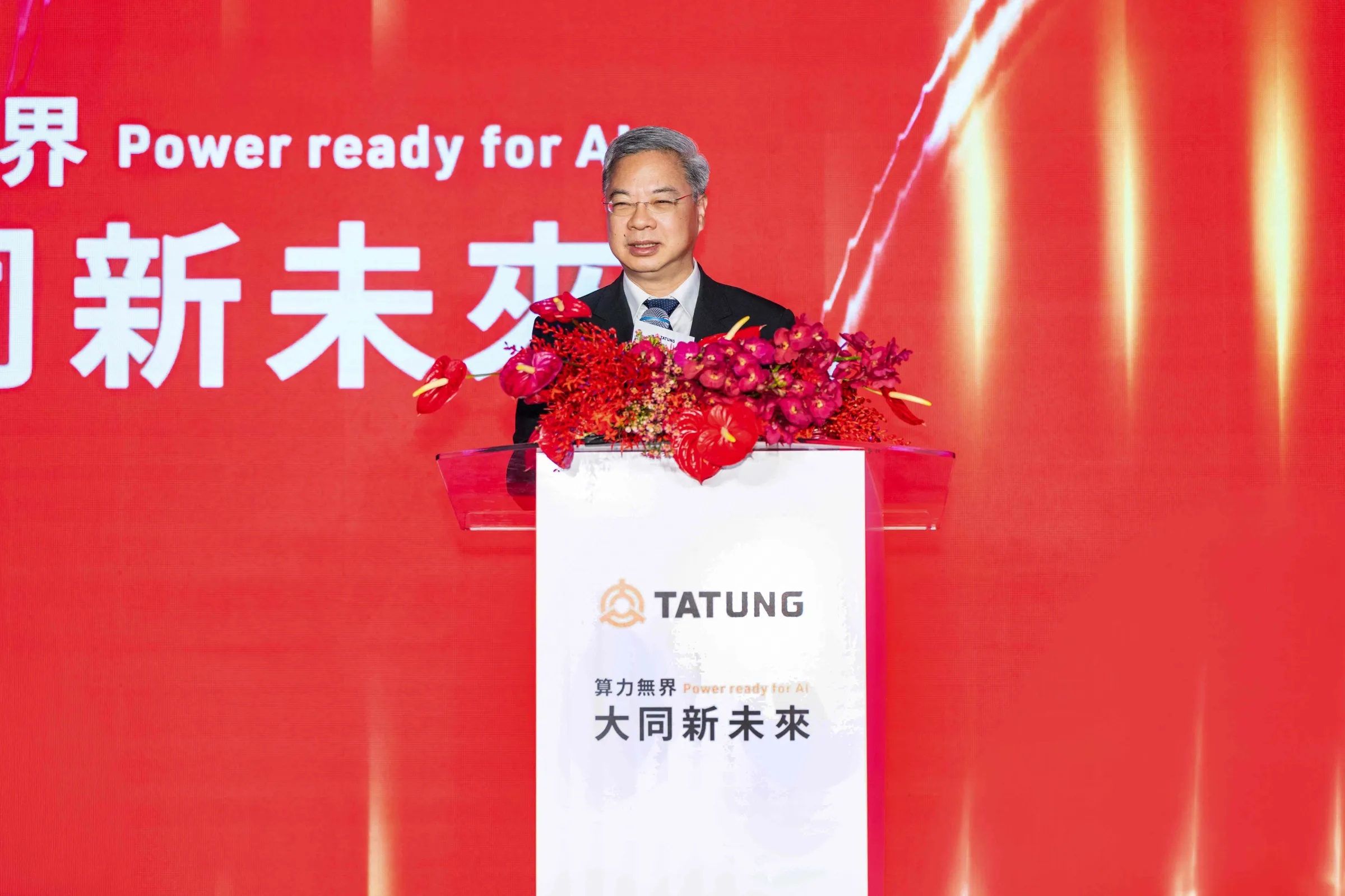
Kung said the AI era is not limited to startups and that established companies can also develop new roles within it. He added that the Ministry of Economic Affairs plans to add 25 large natural gas generating units over the next decade, which combined with renewable energy sources is projected to provide an additional 200 billion kilowatt-hours of annual generation capacity to meet rising electricity demand from AI-related growth.
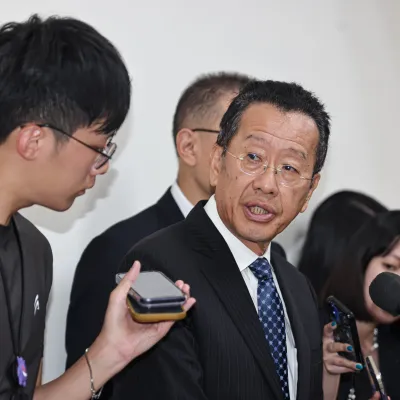
Speaking to reporters after the event, Chang Sung-pin said Tatung also plans to offer construction services for captive power plants of up to 20 megawatts (MW) for corporate self-use, in addition to its AI data center business. He said he is optimistic about growth in the compute infrastructure market next year, expecting stronger momentum in the domestic market, with Japan seen as the most promising overseas market.