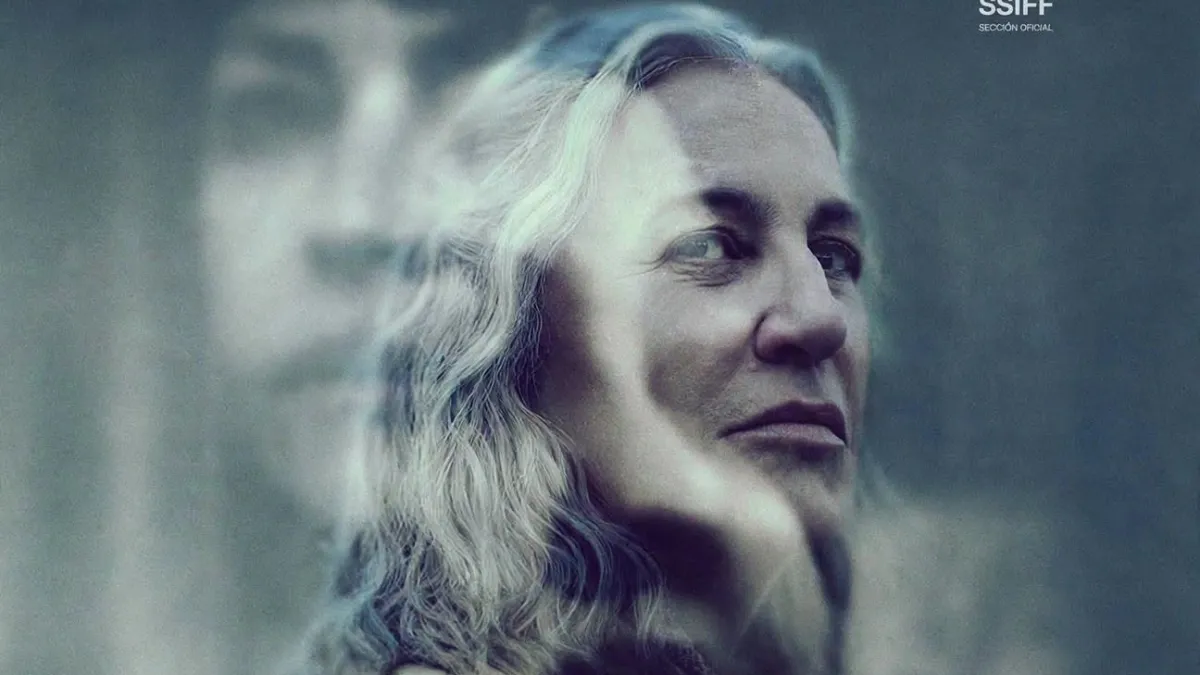
Pablo Larraín's supernatural drama "My Sad Dead" began streaming on Netflix on September 24, 2026, days after premiering at the San Sebastián International Film Festival. The four-part series, adapted from Argentine writer Mariana Enríquez's "Mis Muertos Tristes," is the first screen collaboration between the two.
Mercedes Morán stars as Ema, a retired 60-year-old doctor in Buenos Aires who has long seen and heard the dead. Dolores Fonzi plays her niece Julie, who shares the gift. Alejandra Flechner, Germán de Silva, Carlos Portaluppi, Luz Jiménez, and Carolina Sánchez Álvarez round out the cast.
A Water Tank Death Awakens A Neighborhood
The series is set in Piedrabuena, a Buenos Aires housing complex marked by poverty and fear. When young residents are killed in an act of daylight violence neighbors are too afraid to stop, the line between the living and the dead starts to blur for the whole community, not just Ema.
Julie feels a pull toward friends she has already lost and climbs into a water tank hoping to reach them; the fall proves fatal. Her death spreads the haunting Ema had carried alone for decades across Piedrabuena. Ema goes on to perceive Julie's spirit in the aftermath, one more presence added to a household that already shares its rooms with the dead, though the show plays the moment as loss rather than rescue.
Enríquez Turns Grief Into A Social Indictment
For Enríquez, the ghosts are not just genre devices. "I use ghosts as a scar, as a recurring trauma, as an injustice that was never redressed," she has said, linking the series to Argentina's unresolved reckoning with the disappearances and political violence of the 1970s.
That framing gives the horror a social edge: residents who look away from violence out of fear become complicit in it, echoing a broader crisis of trust in which, by 2015, more than 80% of Argentina's urban population reported feeling unsafe.
A Finale Built On Acceptance, Not Closure
The rest of this section discusses the ending. Readers who have not finished the series may want to stop here.
The closing scene brings the extended family together at Ema's mother's home, where the relatives who have begun perceiving the dead settle into that reality more easily than the ones who haven't. Ema mends her relationship with her daughter, Caro, while another relative, Lidia, stays estranged and absent. Piedrabuena's dead stay put rather than fading away, becoming a fixture the neighborhood simply has to live alongside.
Two Decades Of Chasing Death On Screen
The themes are familiar for Larraín, whose films "Post Mortem," "No," "Jackie," "Spencer," and "El Conde" have long probed mortality and political violence. "My Sad Dead" extends that focus to television and marks his first direct partnership with Enríquez, whose fiction has mined similar ground from an Argentine perspective.
Critics at San Sebastián and after the Netflix release have called the series strange and patient, praising its willingness to let dread linger rather than resolve quickly, fitting for a story about a country still unsettled by its own past.
Sources:
My Sad Dead on Netflix: Larraín's Four-Part Series About the Dead Who Won't Leave; Netflix's "Mis Muertos Tristes" Confronts Our Complicity; My Sad Dead Ending Explained. (Related: Jing Boran's The Early Spring Ranks Only 4th on Netflix's Top 10 Chinese Dramas of 2026 | Latest )