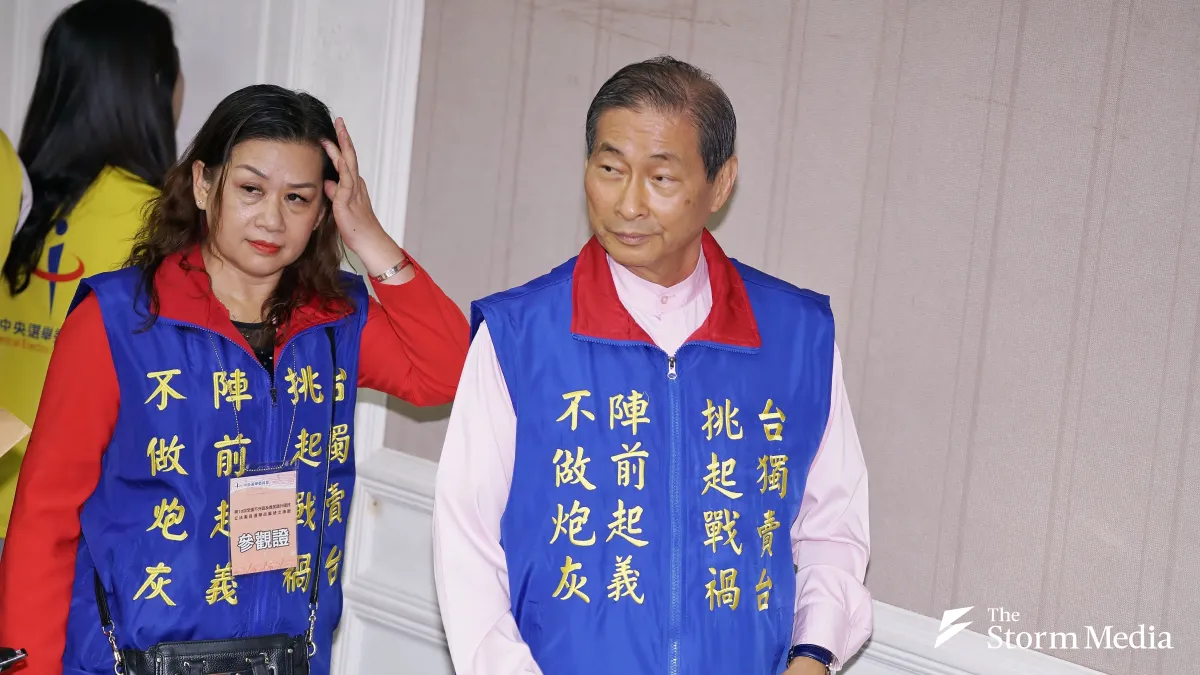
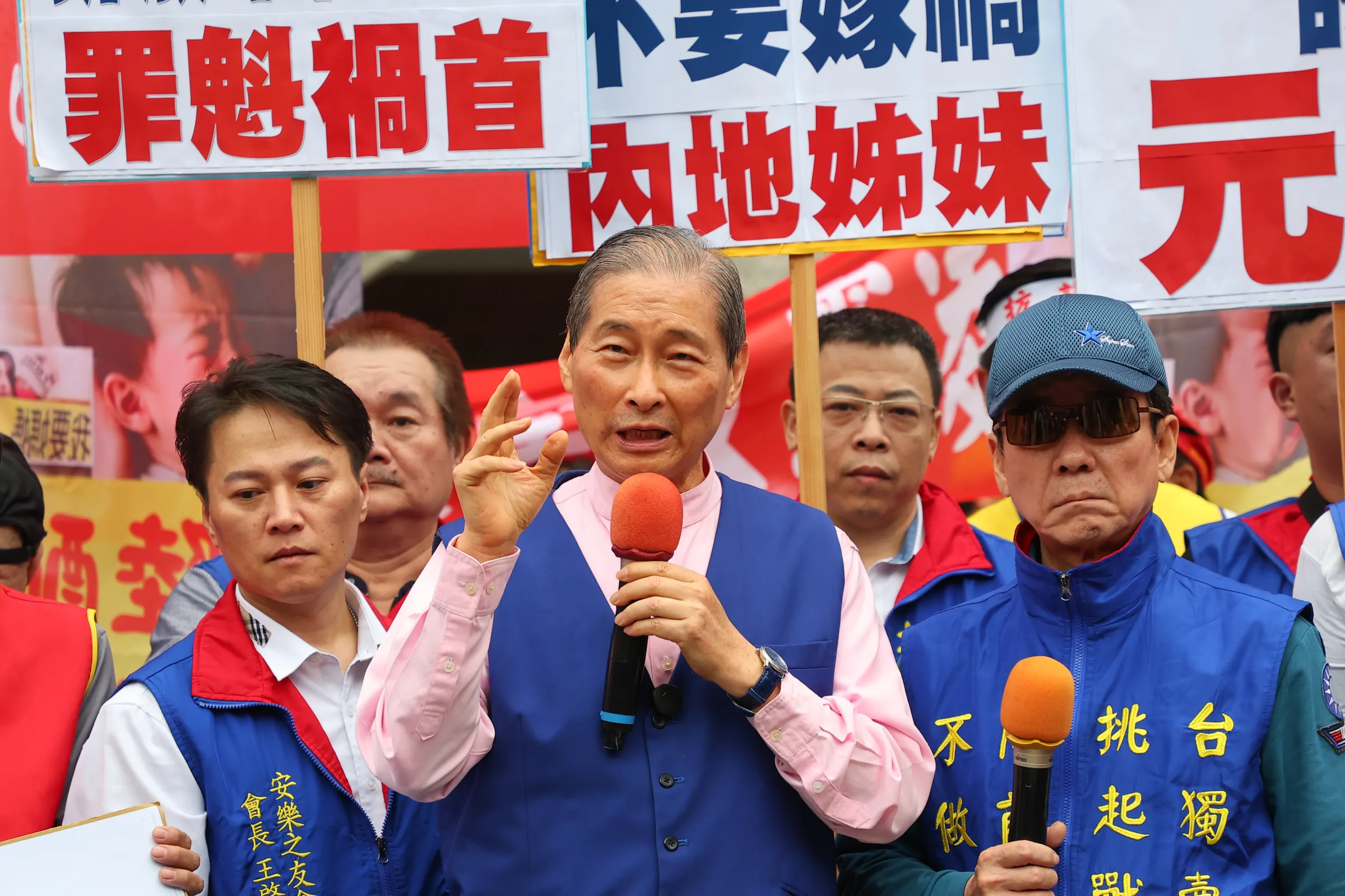
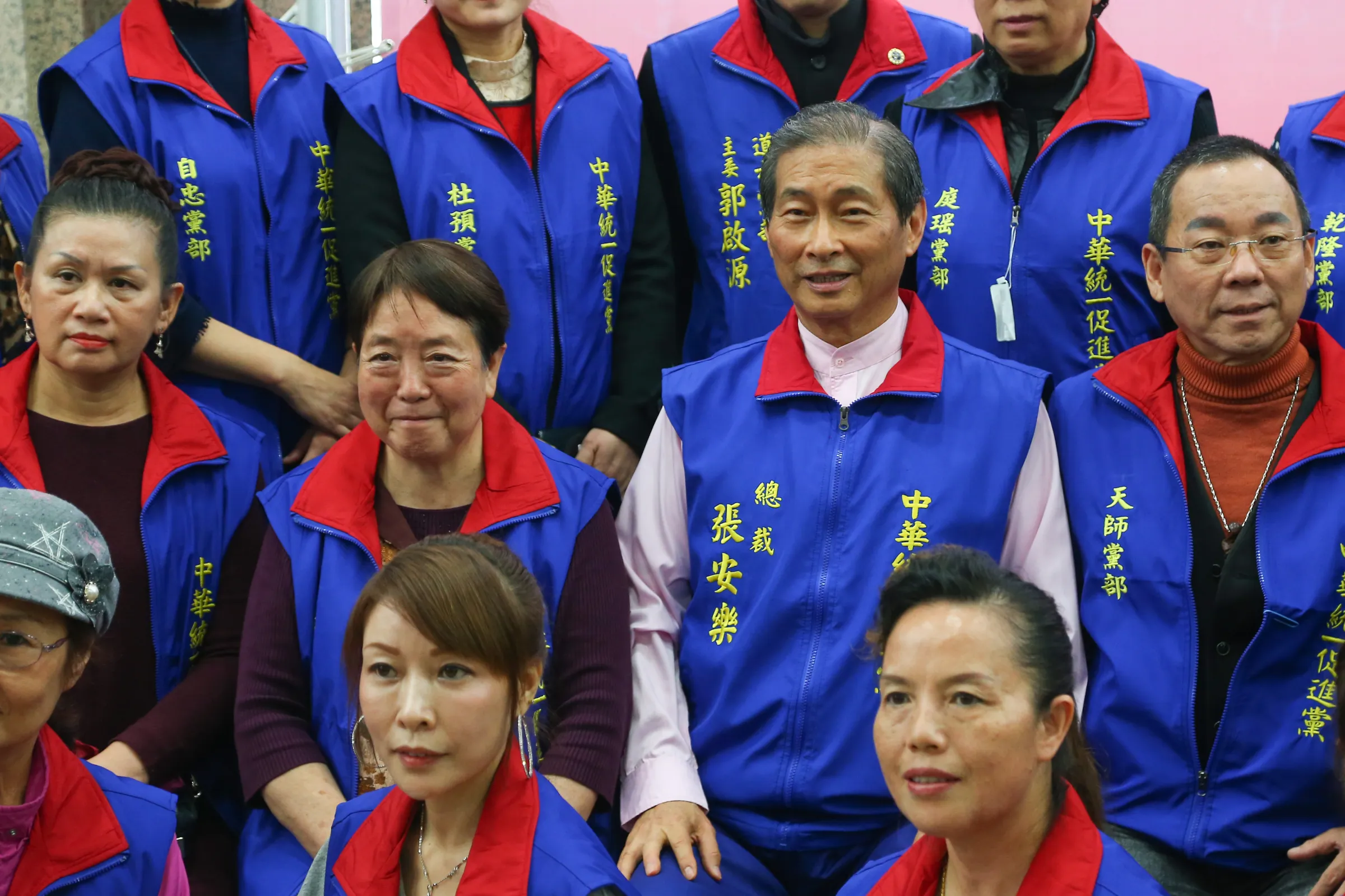
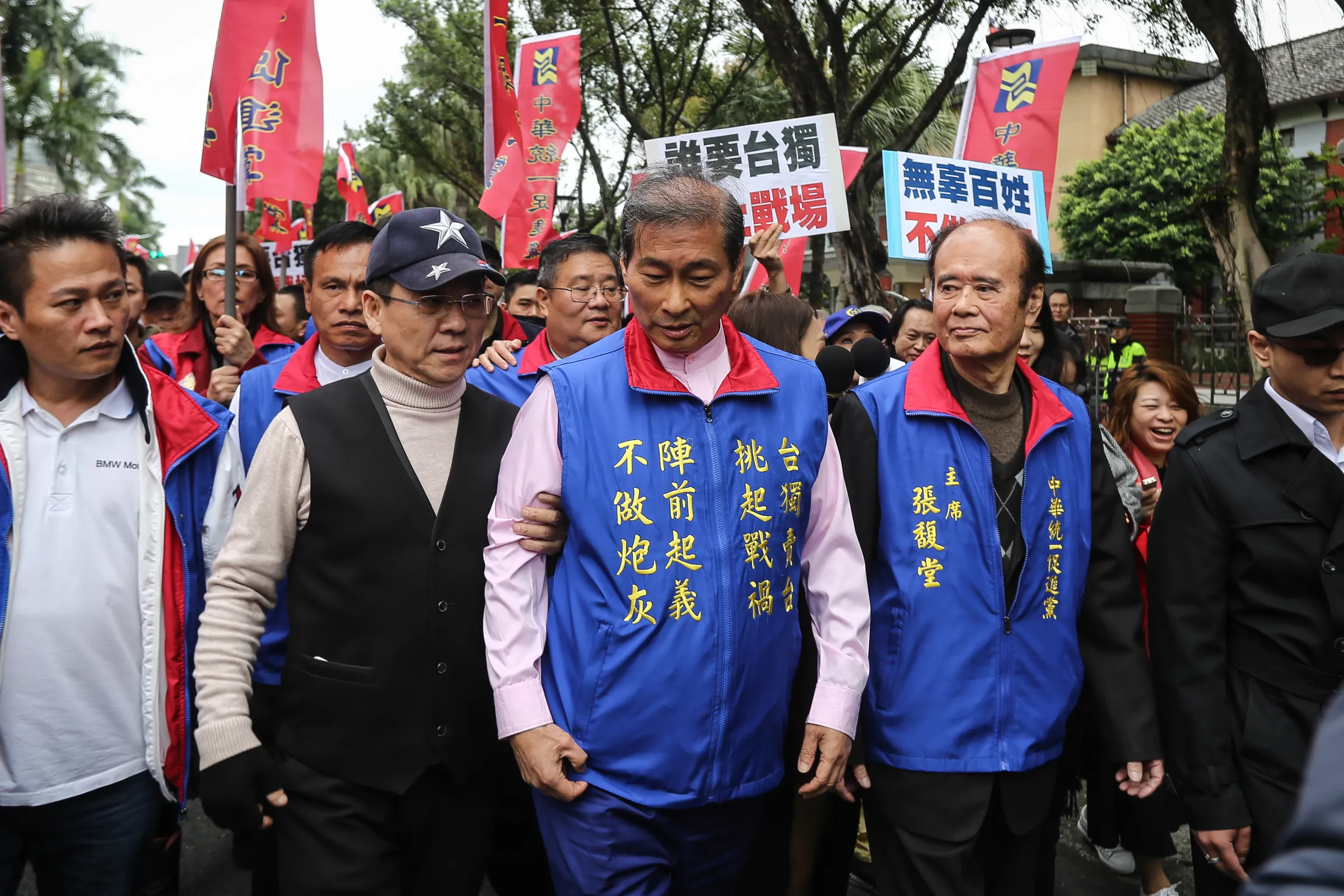
Taiwan's Ministry of the Interior has petitioned the Constitutional Court to dissolve the Chinese Unity Promotion Party, a pro Beijing party that openly campaigns for unification with China. National security officials say the party is at the same time mounting its broadest run at local office in years, with at least 15 candidates registered for the nine in one local elections at the end of 2026.
The ministry's petition rests heavily on the party's criminal record. Between 2010 and 2024, police sweeps under Operation Zhiping, Taiwan's standing crackdown on organized crime, netted 134 party members in cases ranging from homicide and robbery to human trafficking, extortion, affray, and obstruction of official duties. Prosecutors have separately charged members under the Act Governing Relations Between the People of the Taiwan Area and the Mainland Area, the National Security Act, and the Anti-Infiltration Act.
Only Two Candidates Run Under The Party's Own Name
After candidate registration closed, security agencies cross checked the rolls and found at least 15 party members or closely linked figures standing for borough chief, township and city representative, and county or city councilor. The races are spread across Yingge in New Taipei, Pingzhen and Bade in Taoyuan, Hukou in Hsinchu County, the North District of Hsinchu City, Toufen in Miaoli, Minxiong in Chiayi, and Fangliao and Chaozhou in Pingtung.
Only two are running under the party banner: Lu A-tien in Yingge and Huang Chin-liang in Hukou, both seeking borough chief posts. The rest registered under other party labels or as independents. Officials read that as deliberate distancing, given the party's explicit call for unification by force and the timing of the dissolution case.
A Convicted Temple Chairman Fields His Daughter In Tainan
The sharpest example is in Tainan. Wang Wen-tsung, chairman of the Xuejia Tzu Chi Temple and former head of the party's Qingfang branch, was convicted of harboring Hung Cheng-chun, the principal suspect in the 2022 Xuejia case in which a house was sprayed with 88 rounds. He completed his sentence and left prison in January 2026. Security officials say he is now backing his daughter, Wang Shih-yuan, in the second district race for the Tainan City Council, where she has repeatedly attacked a Democratic Progressive Party rival surnamed Hsieh.
In Chiayi County, Liao Yu-ching, a Chinese spouse originally from Hunan province, is running for a county council seat. She ran unsuccessfully for the Legislative Yuan, Taiwan's parliament, and has previously been implicated in a fraud case.
Security Officials Say Eight In Ten Have Criminal Records
More than 80% of the candidates closely tied to the party have been implicated in fraud, affray, criminal damage, intimidation, vote buying, usury, coercion, assault, embezzlement, or violations of the Election and Recall Act, according to a national security official. The worry inside the security apparatus is summed up in the phrase now attached to the party's campaign season: local politics "dyed red and dyed black," a reference to Beijing's influence on one side and organized crime on the other.
Agencies have urged voters to examine candidates' party affiliations and records before casting ballots, and to report intimidation, vote buying, or other illegal conduct to prosecutors and police.
(Related:
In-Depth | Taiwan's Security Reforms Stall as China's Ethnic Unity Law Kicks In
|
Latest
)