Beijing announced on September 21 that Xi Jinping will travel to the United States from September 23 to 25, the second formal meeting between the two heads of state this year following Trump's May visit to Beijing, and Xi's first state visit to Washington since 2015. According to the White House itinerary, Xi and his wife, Peng Liyuan, will land at Joint Base Andrews outside Washington on the 23rd, where Trump himself is expected to greet them, a break from the usual practice of receiving foreign leaders at the White House. September 24 brings the main event: a State Dining Room welcome, a Rose Garden honor guard review, closed door talks, and an evening state dinner in the East Room. The two couples are set to share a private tea and tour America's 250th anniversary exhibits at the National Archives on the 25th before Xi departs. Overseas Chinese groups and Tibetan exile representatives are already preparing protests to coincide with the visit, while China's embassy is mobilizing its own supporters to welcome him.
Economic Teams Meet First As The Real Agenda Comes Into Focus
Chinese Vice Premier He Lifeng met US Treasury Secretary Scott Bessent and US Trade Representative Jamieson Greer in New York on September 20, in talks Chinese state media described as "candid, in depth and constructive," covering implementation of prior summit agreements and artificial intelligence. Bessent called the talks "very successful" and said they were meant to set the stage for the Trump Xi summit itself.

Yet no concrete numbers or breakthroughs have emerged on the questions that matter most: whether the tariff truce struck in Busan last October, originally due to expire on November 10, will be extended; whether China is meeting its commitments on rare earth magnets and critical minerals; and whether promised purchases of American farm goods and Boeing jets are actually materializing. Artificial intelligence is one of the few areas both sides see as ripe for cooperation, but only around shared risk and safety "guardrails," not Washington's much more sensitive controls on advanced chip exports, and even there the two sides have so far only agreed to keep talking. That mirrors the pattern set at May's Beijing summit, where pledges to cut tariffs on non-strategic goods, have China buy roughly $17 billion more in American farm products, and purchase over 200 Boeing aircraft remain, months later, still "in progress" rather than delivered. Washington wants a showcase deal before November's midterm elections; Beijing is in no hurry to hand it one.
China's global trade surplus is on pace to top $1 trillion for a second straight year, and of roughly 6,500 export product categories, more than half have seen higher shipments to the United States than in 2025. Since Trump's first term, Washington's basic approach has been to use the size of the American market and the threat of tariffs to force changes in Chinese trade and industrial policy. But after years of supply chain reshuffling, China has not been pushed out of global manufacturing. It has instead expanded exports to Southeast Asia, Europe and other emerging markets. Weak domestic demand and a prolonged property downturn remain real pressures at home, but a resilient export sector gives Beijing far less reason to rush into concessions at the table.
A State Dinner With Tech Titans On Both Sides Of The Table
The guest list for the Washington dinner carries its own symbolism. The American side is expected to include Amazon's Jeff Bezos, Google's Sundar Pichai, OpenAI's Sam Altman, Apple's Tim Cook, Tesla's Elon Musk and Nvidia's Jensen Huang, while the Chinese delegation may bring BYD's Wang Chuanfu, Xiaomi's Lei Jun and CATL's Zeng Yuqun, amounting to a side by side display of both countries' technology elite. Trump arrives with his domestic approval rating dented by the war with Iran and other distractions, while Xi comes to the table with the confidence of strong exports and leverage over rare earths, critical minerals, Taiwan and AI.
Washington has kept tightening export controls on advanced Chinese technology, semiconductors and related equipment, while Beijing holds real leverage over American manufacturing through its dominance of rare earth and critical mineral supply chains. The United States controls key nodes in advanced chips, semiconductor equipment and other high end technology; China controls a vast manufacturing base along with much of the raw material supply, including rare earths, that feeds it. If the two sides do announce a new agreement, markets are likely to care less about the headline tariff rate than about whether it includes fresh trade offs on rare earth exports, critical minerals or technology supply chains.
Taiwan Rare Earths And AI Are The Real Bargaining Chips
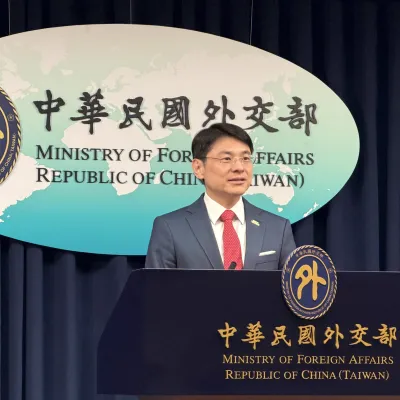
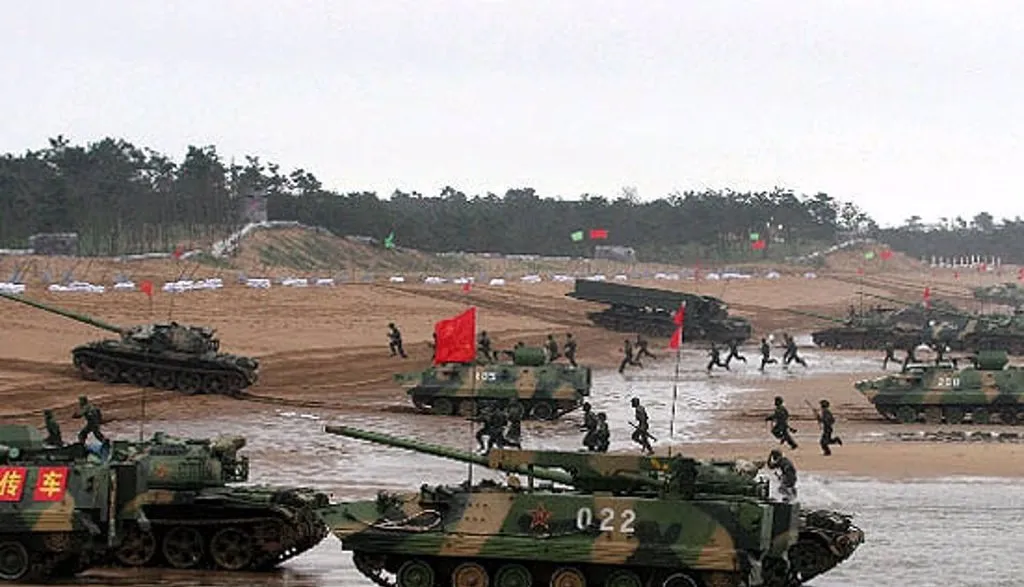
Taiwan remains the most sensitive line in the relationship. During May's meeting in Beijing, Xi repeatedly pressed Trump on arms sales to Taiwan and Washington's defense commitments, and Trump later described a roughly $14 billion Taiwan arms package as a "bargaining chip." Asian allies, Taipei and Tokyo especially, worry that Trump could soften US support for Taiwan in exchange for short term political wins such as Boeing orders, agricultural purchases or curbs on fentanyl precursor chemicals. Chinese scholars including Wu Xinbo have said publicly that Beijing is willing to "take care of" American concerns on trade, provided Washington "takes care of" Chinese concerns on Taiwan.
Rare earth supply and AI safety form a second set of hard bargaining chips. China's dominance over rare earth magnets and critical minerals directly shapes America's capacity to build advanced semiconductors and AI computing power, and Bessent has publicly called for AI safety "guardrails" to keep powerful models out of the hands of malicious non state actors. Competition between open weight and closed weight AI models, and the popularity of Chinese open source models among American firms, makes artificial intelligence a field that is simultaneously competitive and a candidate for mutual risk management.
Iran remains Trump's more urgent problem. Washington wants Xi to lean on Tehran to end a war that has weighed on Trump's approval ratings, but Beijing has continued trading with Iran through sanctions evasion channels and has shown little sign of active cooperation so far. For now, both sides lean toward keeping the relationship stable: Trump needs room to focus on Iran and domestic politics, while Xi needs time to build China's internal resilience for a long competition that will outlast this administration. As the US China relationship grows more transactional, Taiwan's security and arms sales are only becoming easier to place on the bargaining table. Whatever comes of the tariff truce or any AI safety agreement, what will really determine regional stability is whether Washington holds its red line on Taiwan, and whether Taipei can stay clear eyed and resilient while the two powers negotiate around it.