UBS told hundreds of investors at its annual Taiwan forum this week that demand for artificial intelligence infrastructure will stay strong through 2027, even as memory chips and power supply keep squeezing the island's tech industry.
The Swiss bank's Taiwan Corporate Day, now in its third decade, drew more than 300 investors and 65 companies from Taiwan's technology supply chain to Taipei this week, UBS said, generating more than 400 one-on-one and group meetings in its busiest edition yet.
Record Turnout Signals Deepening Investor Demand
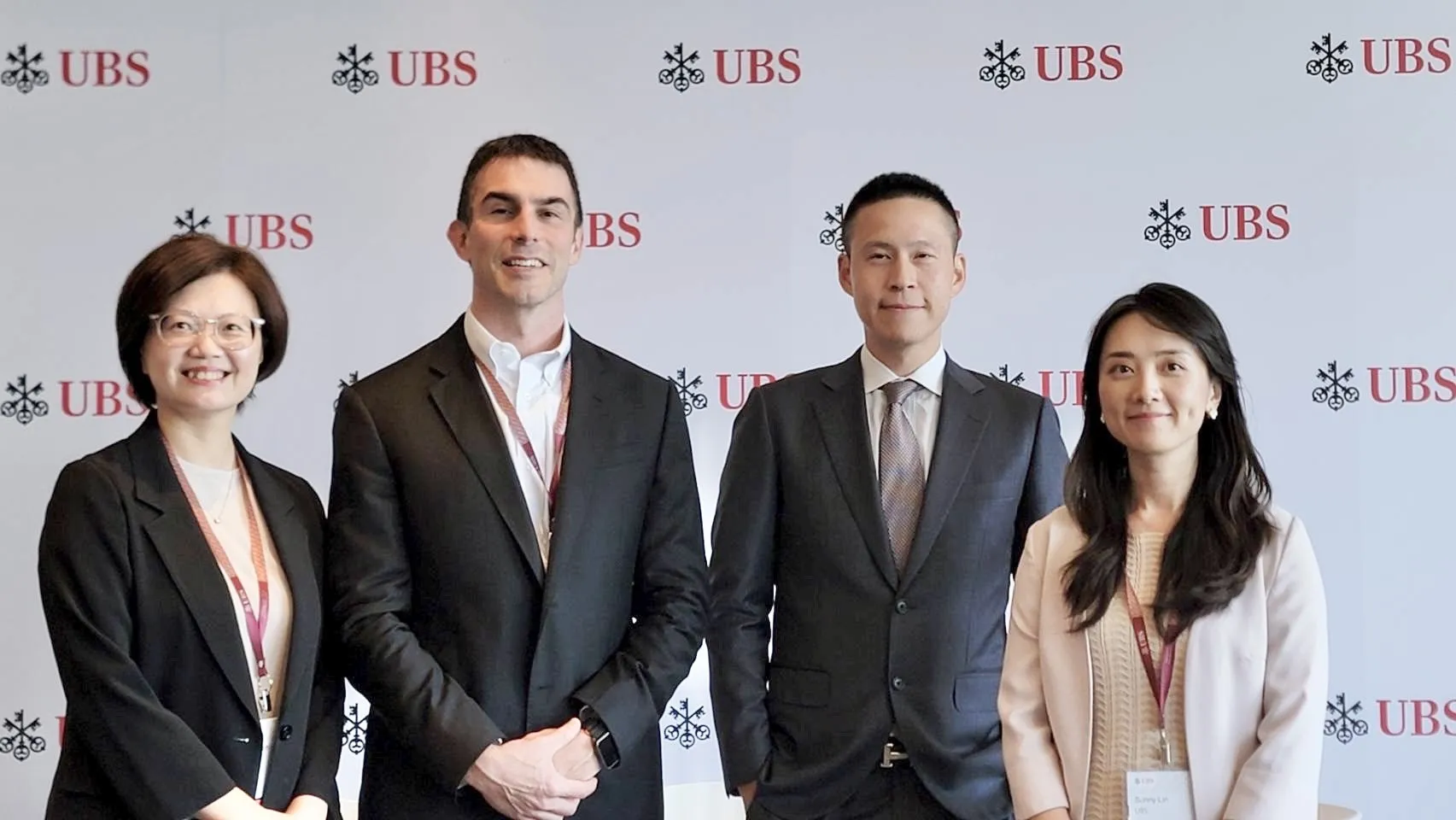
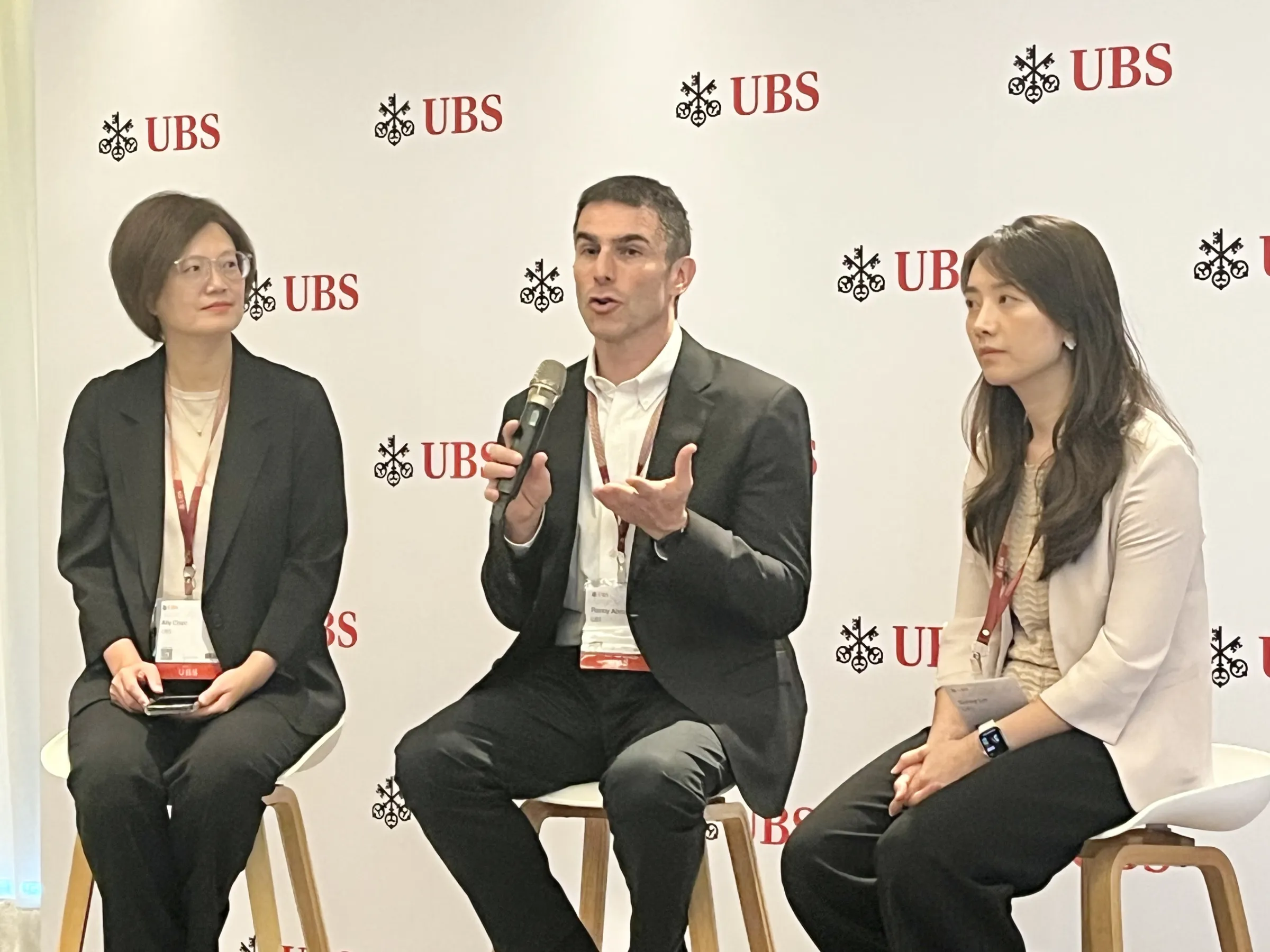
"The level of engagement between investors and companies keeps climbing," Sung Ting-wen, general manager of UBS Securities' Taipei branch and head of UBS Taiwan's global markets equities division, told reporters at a briefing tied to the forum on September 16, 2026.
Sung pointed to Taiwan's growing weight in global benchmarks as further evidence. In its most recent quarterly rebalancing, MSCI, the index provider whose decisions shape where trillions of dollars in passive fund money flow worldwide, lifted Taiwan's share of its indexes and added new constituents spanning memory makers, advanced substrate producers and electronic components firms. That, Sung said, shows international investors are widening their focus beyond Taiwan's best-known chip names to the broader technology ecosystem.
Inference And Custom Chips Take Center Stage
Looking ahead to 2027, UBS said companies across its client base broadly agree that AI demand will hold up; the binding constraint remains on the supply side, not any softening in end demand.
Investors remain focused on GPU-based server deployments, but companies themselves are increasingly emphasizing the businesses growing up around them: AI inference workloads, application-specific integrated circuits, or ASICs, power infrastructure and rack-level integration, according to Randy Abrams, UBS's head of Taiwan research.
Abrams said most companies expect platform penetration for AI inference to keep rising, with Nvidia's Vera Rubin platform beginning to ramp in the fourth quarter of this year. AI server adoption is climbing as large cloud service providers and so-called neocloud operators expand their deployments, he said, and custom chip and ASIC business is on track to grow faster than the broader server market.
That shift is also changing what customers buy. Decision-making is moving from the server level to the rack level, Abrams said, opening opportunities in liquid cooling, power distribution, manifolds and systems integration as companies compete to deliver denser, higher-value rack configurations.
Power And Memory Remain The Tightest Links
Power delivery is one of the clearest bottlenecks UBS's analysts flagged. Power-management chips and related semiconductors remain scarce even as future AI platforms demand sharply higher power per rack, the bank said, a trend it expects to accelerate adoption of liquid cooling, DC-to-DC converters and eventually high-voltage DC power architectures.
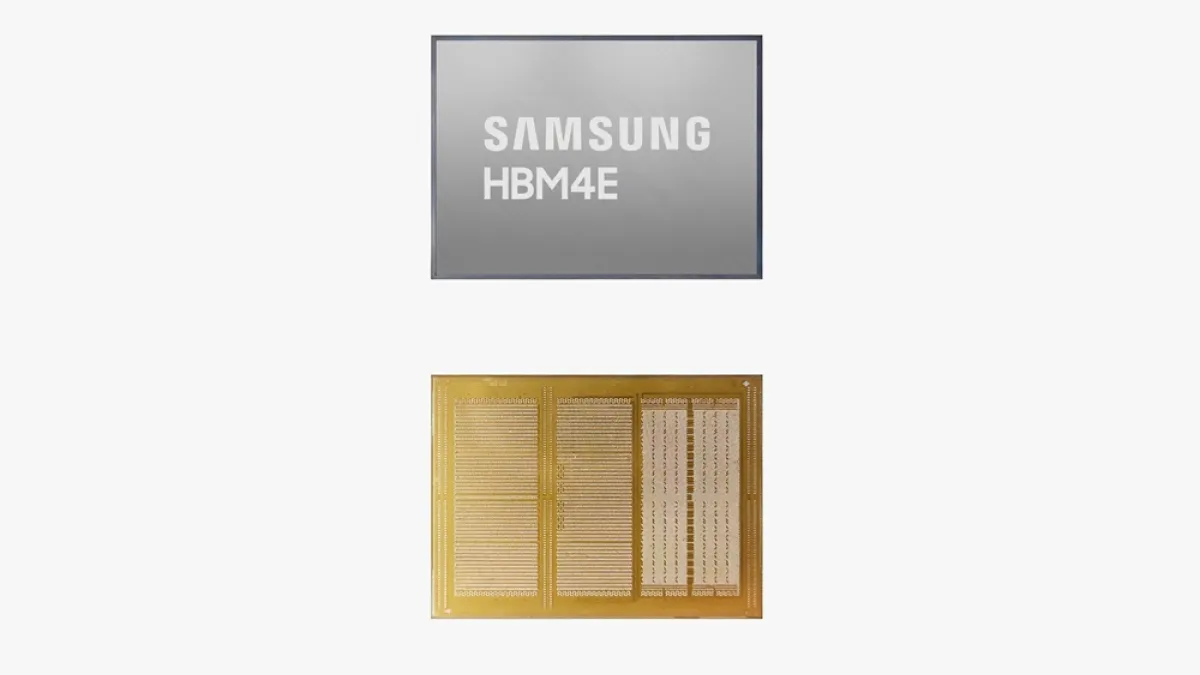
Memory is the other. UBS said its corporate contacts broadly expect the supply-demand squeeze in memory chips to persist through 2027, particularly for AI and enterprise-grade servers. Large manufacturers are turning that scarcity into an advantage, the bank said. As smaller rivals struggle to lock down enough components, bigger players with greater purchasing scale are positioned to keep gaining market share, even as demand for notebooks and consumer electronics stays soft.
Taken together, UBS's analysts said the picture is one where supply chains, not customer appetite, will set the pace for Taiwan's AI-linked companies as they head into 2027.
(Related: SEMICON Taiwan 2026 | Micron Warns Memory Shortage Will Deepen as AI Drives Demand Across HBM, DDR, and SSDs | Latest )