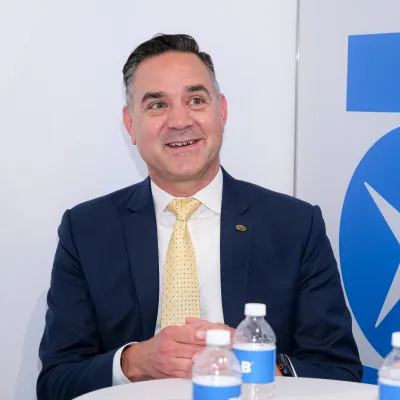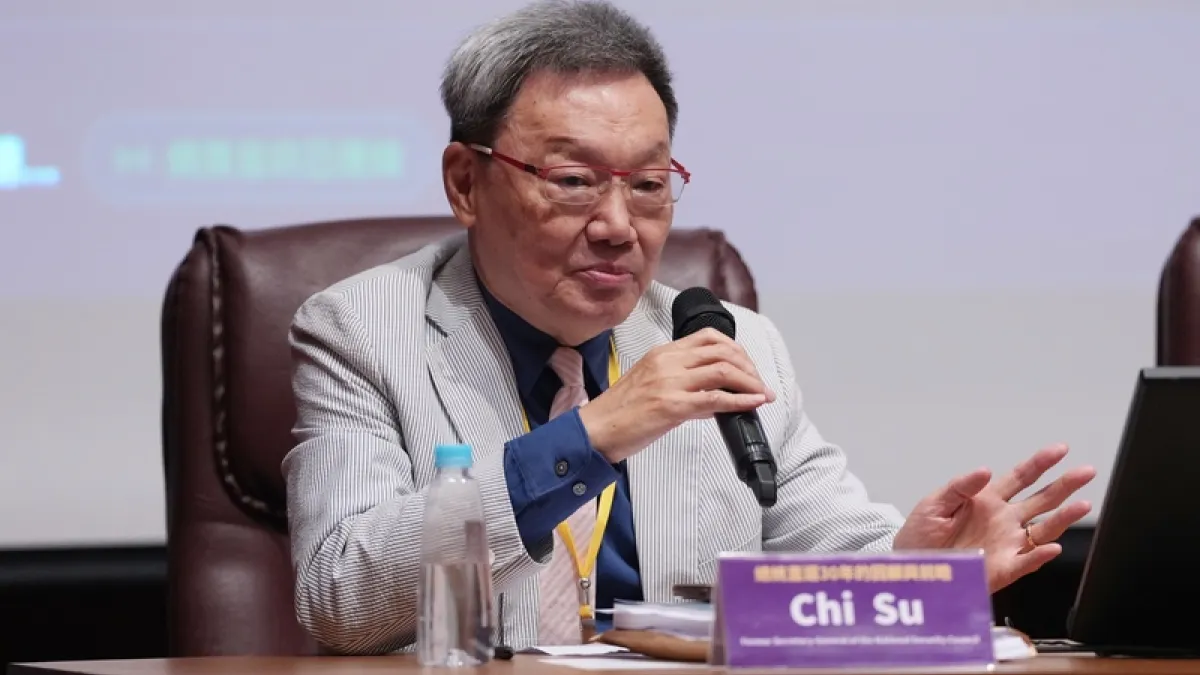
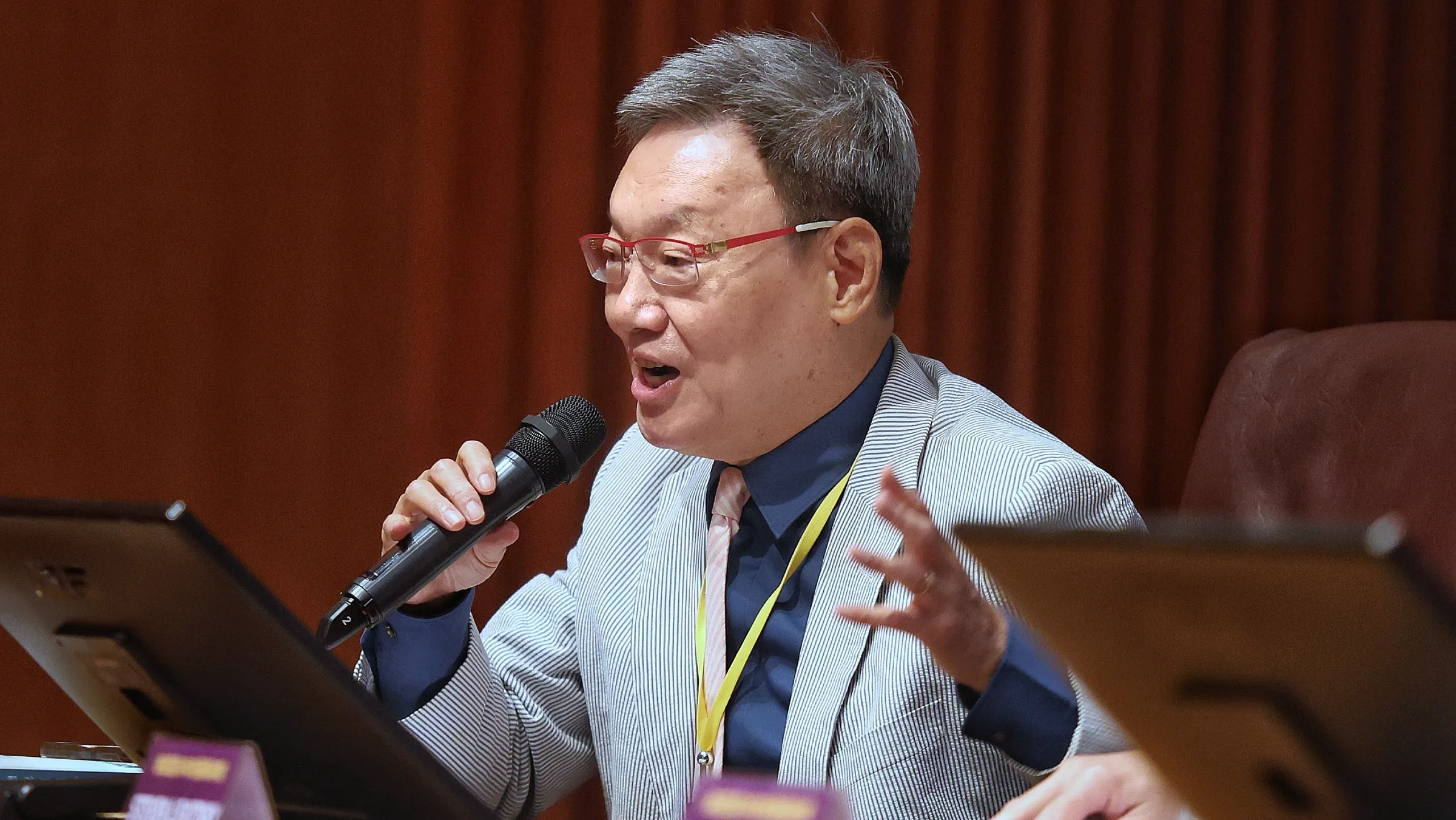
Su Chi (蘇起), who served as Secretary-General of Taiwan's National Security Council and later chaired the Mainland Affairs Council, delivered a blunt assessment of Taiwan's security position at a Taipei symposium this month, describing the island today in three words: weak, divided, and provocative. His remarks, delivered alongside a rebuttal from a former opposition party chairman who called the warning overblown, capped a two-day conference marking 30 years since Taiwan's first direct presidential election.
Why Su Chi Says Taiwan Is Weak Divided And Provocative
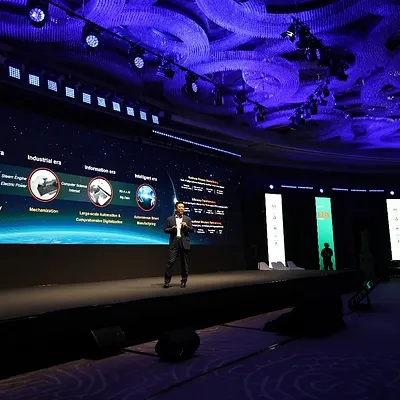
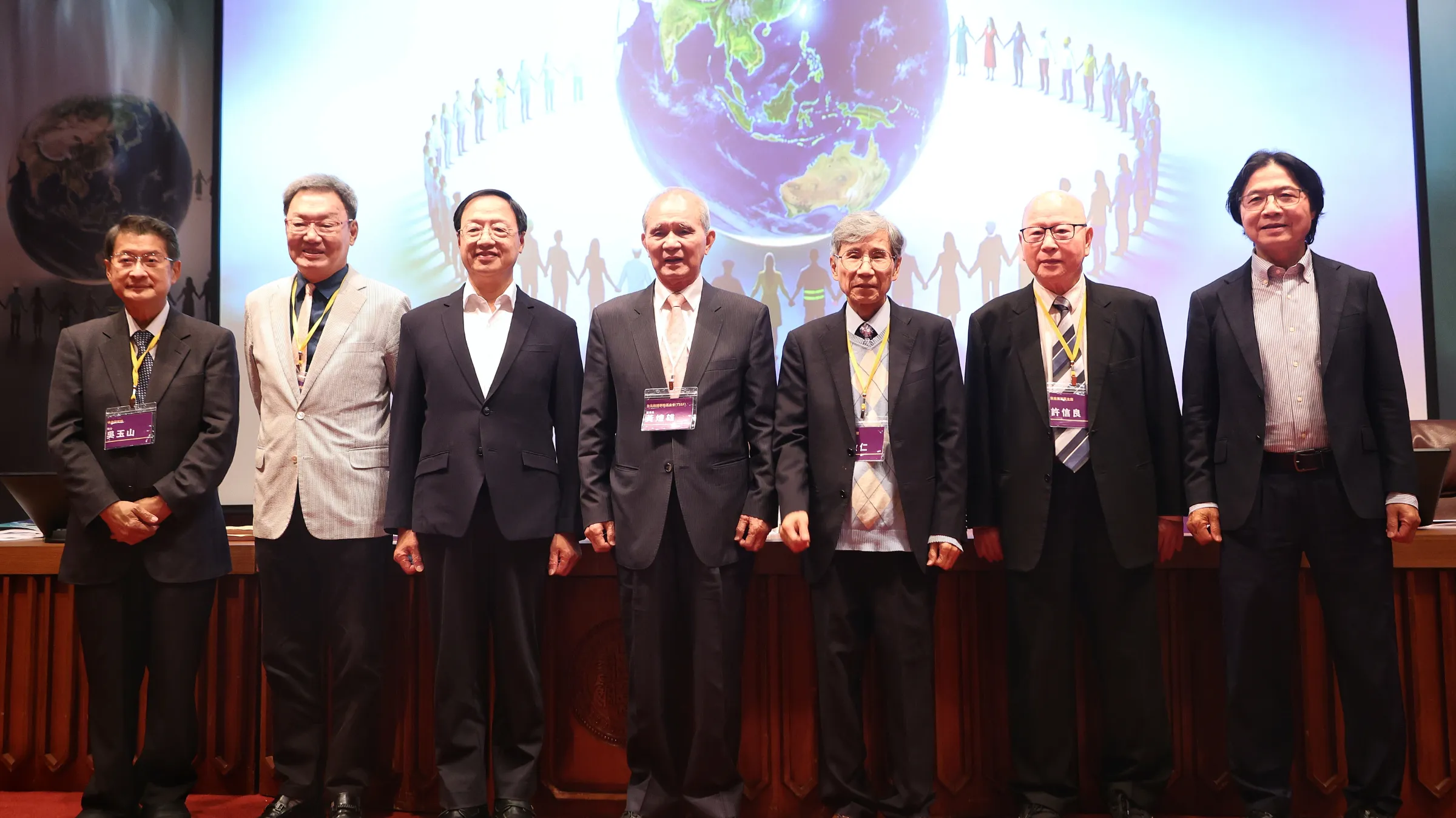
The Taipei School of Economics and Political Science Foundation hosted the conference, titled "Direct Presidential Elections at 30: Review and Outlook," with a Saturday roundtable on what organizers called "Taiwan's Machiavellian constitutional moment." Panelists included former Premier Jiang Yi-huah, Su Chi, former Democratic Progressive Party chairman Hsu Hsin-liang, Academia Sinica academician Wu Yu-shan, and chair professor Yeh Jiunn-rong.
Su, who served as deputy secretary-general to the Presidential Office under Lee Teng-hui starting in 1997 before taking over the Mainland Affairs Council in 1999, opened with a personal anecdote about Lee. He recalled that despite working closely with Lee for two years, he never detected any sign of pro-independence leanings, even after a New Party legislator alleged in the 1990s that Lee secretly favored Taiwanese independence. It was only years later, while reading Lee's papers published by Taiwan's Academia Historica, that Su found the answer: Lee had once told a foreign visitor that his call for "spiritual reform" simply meant that Taiwanese people should be able to say loudly, "I am Taiwanese, not Chinese." Su said the realization explained why Lee's true intentions had eluded him, and foreign observers, for so long, and how Tsai Ing-wen had later picked up that same thread.
How The Military Balance In The Taiwan Strait Flipped
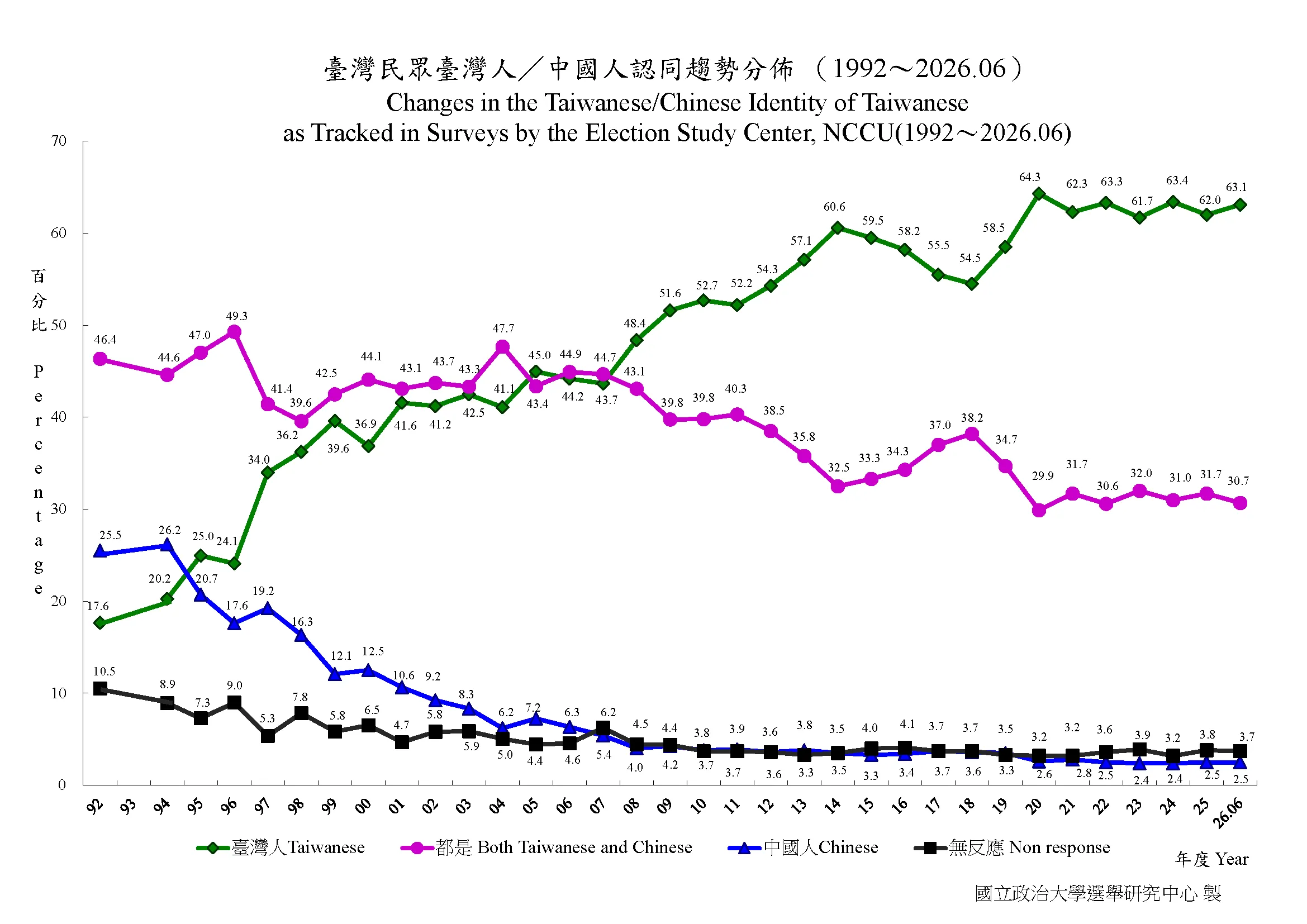
Su argued that Lee and his successors succeeded remarkably at reshaping how Taiwanese people see themselves. Citing survey data from National Chengchi University's Election Study Center, he noted that only about 18 percent of respondents identified purely as Taiwanese when the survey began in 1992, while roughly 46 percent said they identified as both Taiwanese and Chinese. By 2026, the share identifying purely as Taiwanese had climbed to 63 percent, while the dual-identity figure had fallen to around 30 percent.
But Su warned that this success in reshaping identity has coincided with a dramatic reversal in cross-strait military security. He traced a timeline in which the Taiwan Strait functioned as what he called Taiwan's own "inland sea" from 1949 to 1999, with Chinese military aircraft rarely venturing out over open water. That changed, he said, after Lee floated his "special state-to-state relations" framework in 1999, prompting Chinese aircraft to begin operating further out. Even so, Taiwan still had the capacity to "fight the PLA on its own" as of the first transfer of power in 2000. By the time Ma Ying-jeou took office in 2008, China could partially encircle Taiwan militarily, and by 2015, Su said, it could encircle the island fully. "2020 was the turning point," he said. "That was the year China test-fired a hypersonic missile capable of striking an aircraft carrier."
The Year Su Chi Says Washington Started To Pull Back
Su tied that same year to a shift in American behavior. He recalled that in 2020, then-Secretary of State Mike Pompeo had planned to send US Ambassador to the United Nations Kelly Craft to visit Taiwan, only for the trip to be scrapped at the last minute. Craft later said she received a phone call before boarding her flight informing her the visit was off. Su said he believed Chinese military pressure on Washington was behind the cancellation.
He pointed to two later episodes as further evidence. Then-House Speaker Nancy Pelosi's 2022 visit to Taiwan triggered large-scale Chinese military exercises around the island, and a 2023 meeting in California between President Tsai Ing-wen and then-House Speaker Kevin McCarthy did the same. In both cases, Su said, US aircraft carriers moved farther away from Taiwan rather than closer. "2020 was the turning point. The Americans backed off, and that is when I knew the Americans would not come to save Taiwan," he said.
A Warning That 2028 Could Be The Turning Point
Su said that, according to the US Department of Defense's own 2025 assessment, Chinese forces stationed near Taiwan now have the ability to shift from routine exercises to an actual attack at any time. "In other words, the United States has no warning time, and neither does Taiwan," he said. Against that backdrop, he expressed frustration that Taiwan's domestic politics remain consumed by disputes such as the premier's countersignature authority and other constitutional gridlock. "I really feel the Machiavellian moment is right in front of us," Su said. "2028 truly is the key year for Taiwan. The only question is whether it comes before 2028 or after."
Not Everyone Agrees Taiwan Should Be This Worried
Hsu Hsin-liang, who spoke after Su, pushed back directly, calling his former colleague's framing alarmist. "If China really attacked Taiwan today, it would be making an enemy of the entire Western world, not just Taiwan, and not just the United States. It would be an enemy of the entire Western order," Hsu said.
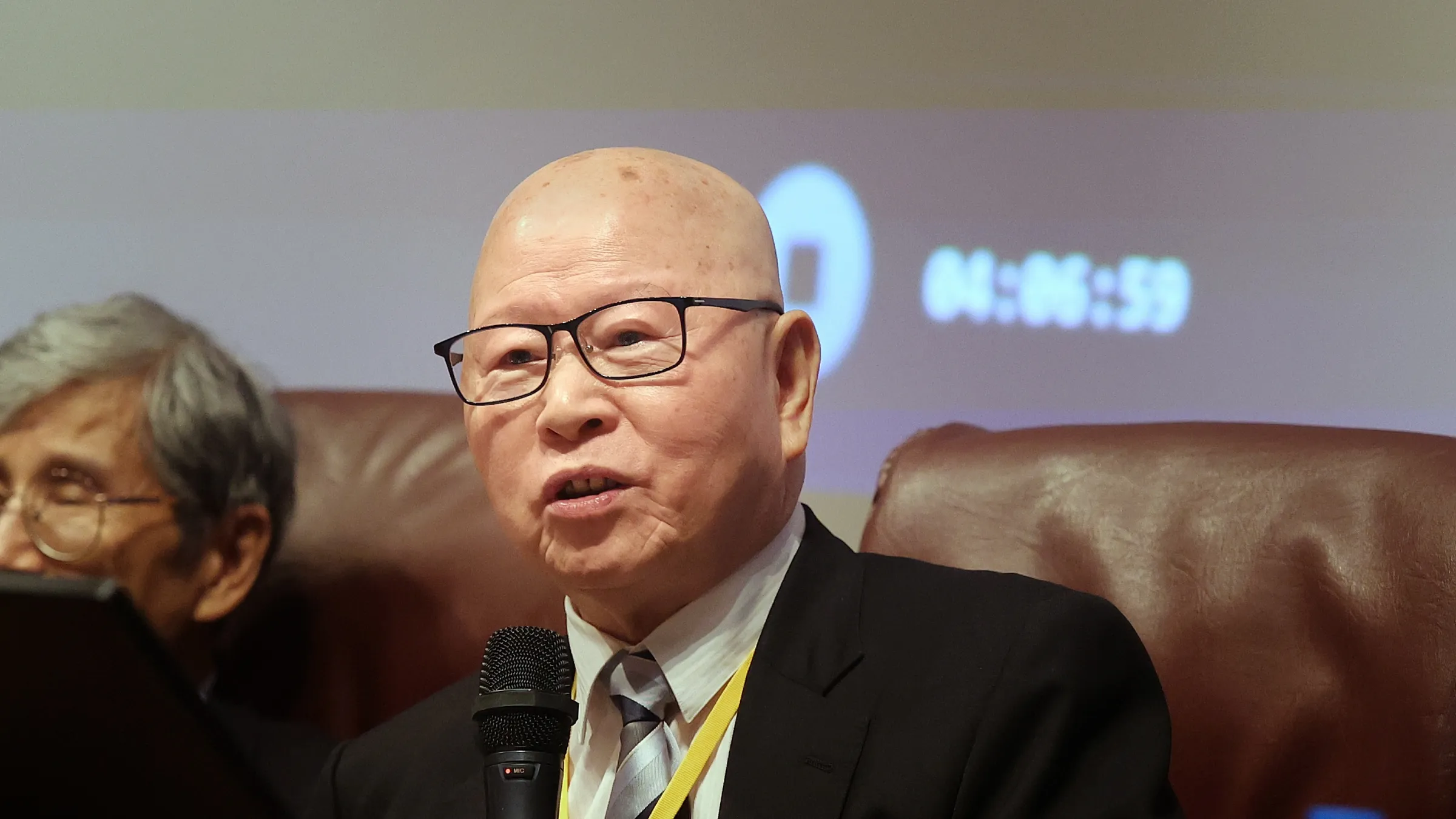
He argued that in today's globalized economy, China depends on that system to survive, and that any attempt to take Taiwan by force, similar to Russia's invasion of Ukraine, would invite years of Western economic sanctions that Beijing could not sustain. "I don't believe China can withstand that, and I don't believe China's leadership is foolish enough to try," he said.