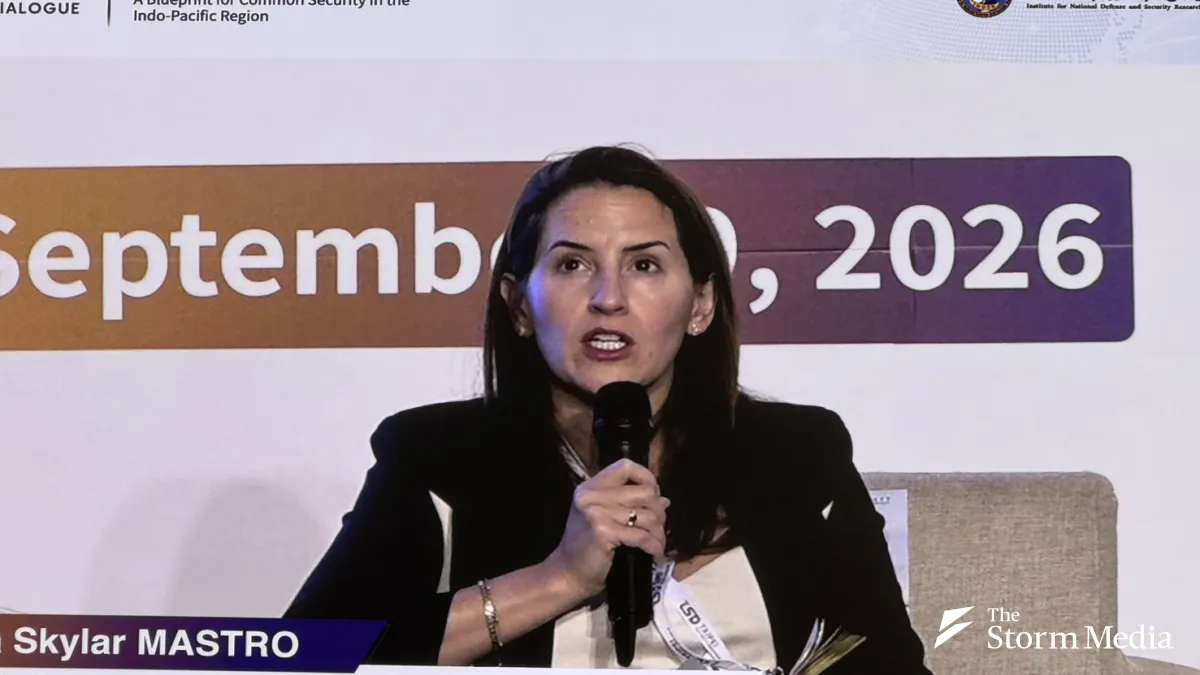
China's military has grown rapidly in recent years, and Dr. Oriana Skylar Mastro, a researcher at Stanford University's Freeman Spogli Institute for International Studies who has spent years closely tracking the People's Liberation Army, says China's military now believes it holds a "local advantage" in the Taiwan Strait.
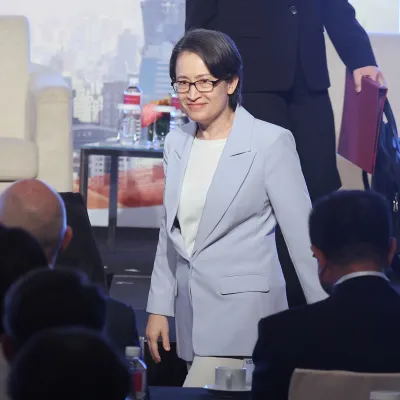
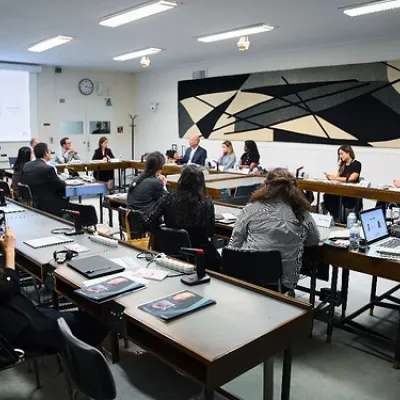
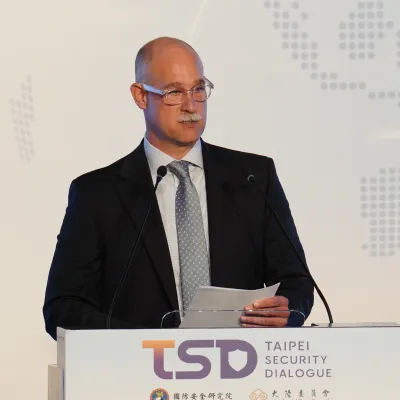
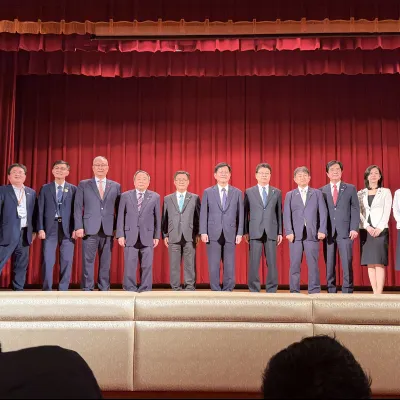
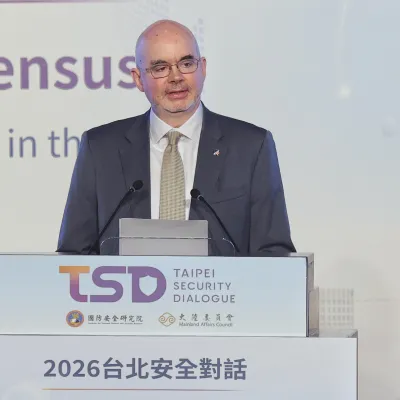
The Institute for National Defense and Security Research (INDSR) held the 2026 Taipei Security Dialogue on September 9, and one panel, titled "Responding to the New Global Security Landscape: Strategic Lessons from the Wars in Ukraine and the Middle East," was moderated by Professor Alessio Patalano of King's College London, who also serves as an academic advisor to Taiwan's Ministry of Foreign Affairs. Panelists included Professor Chen Ping-kuei of National Chengchi University's Department of Diplomacy, Dr. Julia Famularo of the University of Hawaii, Dr. Euan Graham of the Australian National University's National Security College, Dr. Oriana Skylar Mastro of Stanford's Freeman Spogli Institute, and a senior researcher from Germany's Institute for Defence and Strategic Studies. The panel dug into lessons from great-power wars, signals of deterrence between the U.S. and Taiwan, the evolution of Chinese military doctrine, and societal resilience.
Mastro, who currently also serves as a lieutenant colonel in the U.S. Air Force Reserve and has spent considerable time engaging directly with the PLA, said that based on Beijing's posture and who it is trying to deter, China's confidence regarding the Taiwan Strait has grown significantly over the past 20 years, to the point that its military now believes it holds a local advantage there.
Mastro also praised Taiwan's increased defense spending and whole-of-society preparedness efforts, but noted that the primary audience for these efforts right now is the United States, essentially a demonstration of Taiwan's own resolve to defend itself in order to secure continued American support.
Will China Invade In 2027? Mastro Says Internal Purges Could Delay The Timeline
On the strategic realities of defending Taiwan, Mastro said bluntly that Taiwan cannot realistically fend off a large-scale Chinese invasion entirely on its own, without direct U.S. military involvement and support. Asymmetric weapons alone, she said, cannot counter the world's largest military by itself, making direct U.S. military engagement indispensable.
On the question of timing and how a conflict might unfold, Mastro said that if Beijing lacks confidence it can seize Taiwan quickly while keeping U.S. forces out, it is unlikely to launch a full-scale invasion. While 2027 has often been cited as the year the PLA may be fully prepared for, or even intending, an invasion, Mastro said that internal purges within the Chinese military could push that timeline back to sometime after 2028.
Mastro warned that for the foreseeable future, some form of limited quarantine or blockade against Taiwan is highly likely, a scenario that would carry enormous economic and defense implications for Taiwan. She also stressed that cognitive warfare and gray-zone activity are tools Beijing is using to shape the battlefield ahead of a full attempt to seize Taiwan, not alternatives to one.