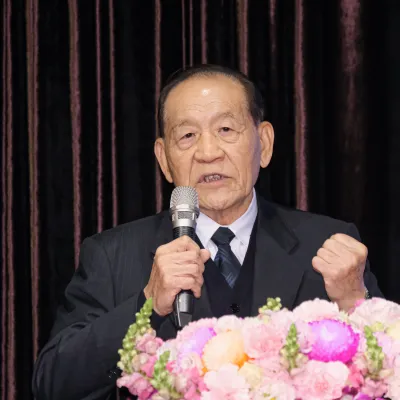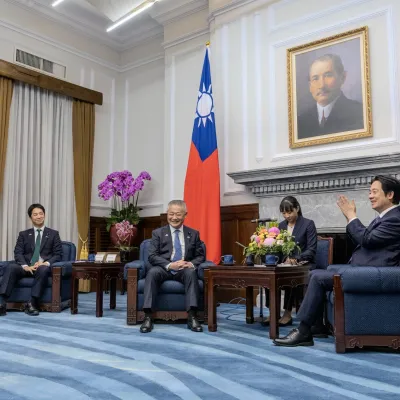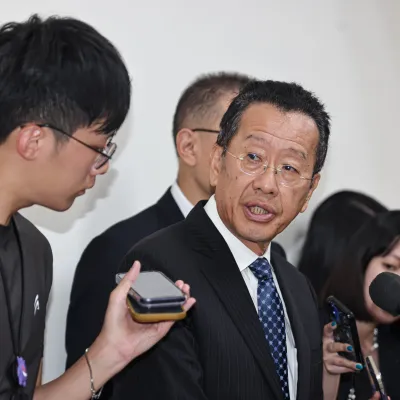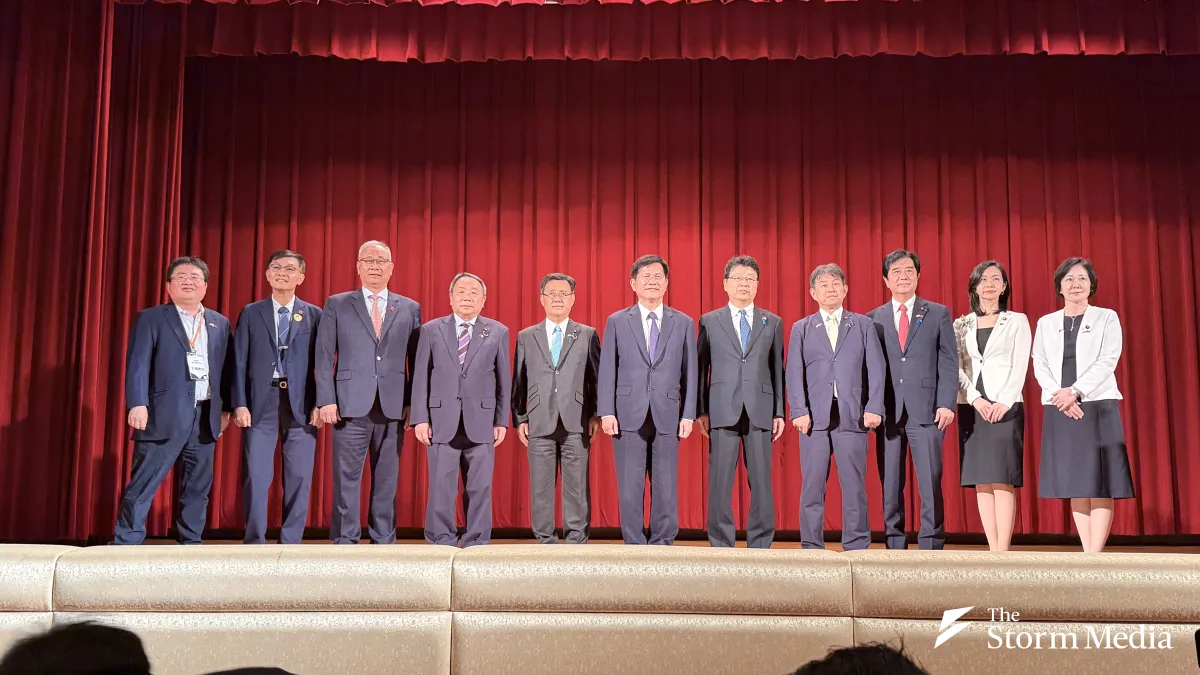
The Indo-Pacific Strategy Think Tank hosted a Taiwan-Japan Diplomatic and Defense Forum at The Grand Hotel Taipei on September 9, bringing together a cross-party delegation of seven Japanese lawmakers and a range of voices from across Taiwan to discuss peace and stability in the Taiwan Strait, Taiwan-Japan security cooperation, and the legal frameworks that might support it. Kitamura Haruo, the Japanese senator leading the delegation, said his side intends to push for a Japanese version of both the Taiwan Relations Act and the Taiwan Travel Act, aimed at boosting high-level government exchanges and deepening diplomatic, defense and security cooperation between the two sides. Fellow senator Seki Hei went further, arguing that Japan, the United States and Taiwan should form an "iron triangle" of security cooperation to jointly strengthen deterrence.
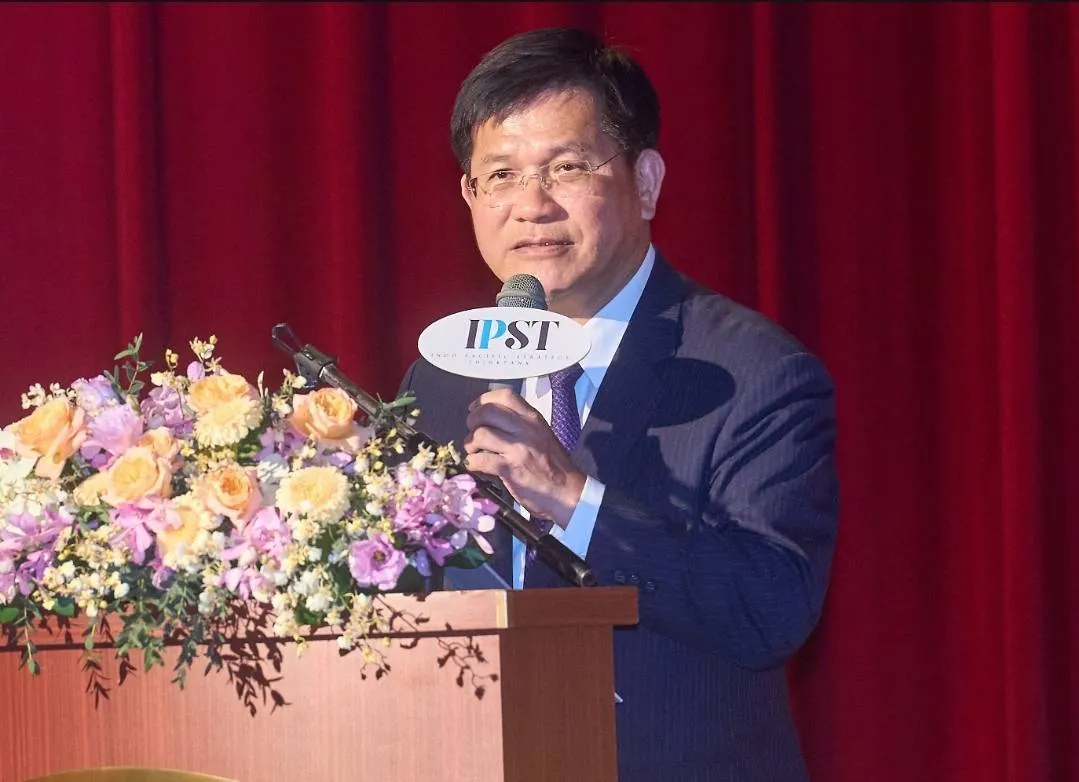
Foreign Minister Lin Chia-lung also addressed the forum, telling attendees that as China's military pressure and gray-zone harassment continue to escalate, security along the first island chain, from Japan's periphery down to Taiwan, has become tightly interconnected. He argued the region should be understood as a "single theater," and called for building a framework of shared awareness, shared early warning and shared resilience among partners.
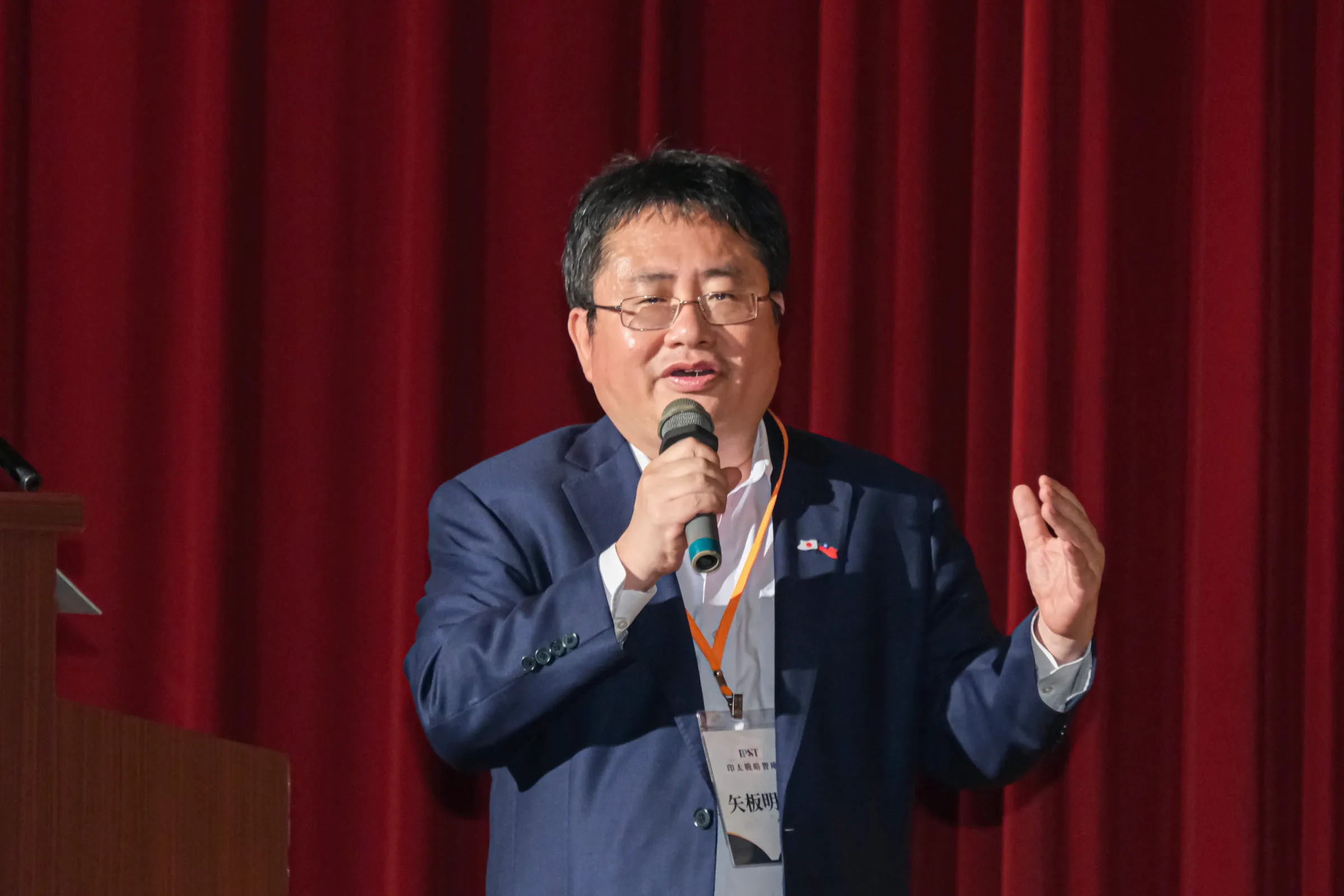
The forum was moderated by Yaita Akio, executive director of the Indo-Pacific Strategy Think Tank, who said the event was designed to give Japanese lawmakers and Taiwanese counterparts a chance to exchange views on peace across the Taiwan Strait, regional security, and related policy and legal questions.
Kitamura Calls Taiwan A Close Friend And Pushes For A Japanese Taiwan Relations Act
Kitamura, who leads the cross-party Japanese parliamentary group focused on peace and stability in the Taiwan Strait, told the forum that the "Free and Open Indo-Pacific" vision championed by the late former Japanese Prime Minister Shinzo Abe is inseparable from peace and stability across the Taiwan Strait.
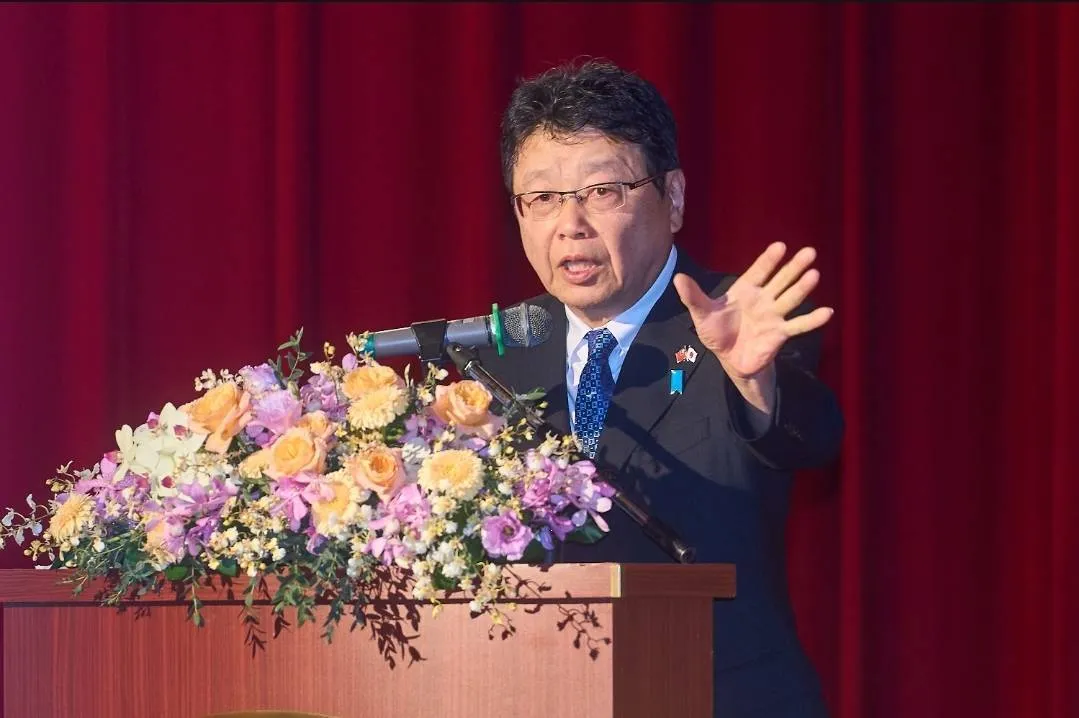
"Taiwan is an extremely important friend to Japan. In Japanese, we would call it a shin'yu, a close friend," Kitamura said, recalling the substantial aid Taiwan sent to Japan after the Great East Japan Earthquake. He said that if Taiwan ever faced a crisis, Japan should make its support for Taiwan unmistakably clear, arguing that doing so would itself serve as a form of deterrence.
Kitamura said he hopes to advance legislation creating a Japanese version of the Taiwan Relations Act and a Japanese version of the Taiwan Travel Act, to encourage high-level government exchanges between the two sides and lay an institutional foundation for cooperation on diplomacy, defense and security. He argued that if Japan, Taiwan and the United States can present a united, tightly coordinated front, it would signal to anyone seeking to undermine peace across the Strait that the three sides are prepared to respond together, reinforcing deterrence and discouraging aggression. He said he plans to keep making this case to Japan's government and public, push the legislation forward, and use that legal foundation to deepen trilateral security cooperation over time.
Seki Hei, a Japanese senator born in China who witnessed the Tiananmen Square crackdown in 1989, told the forum that when it comes to the Chinese Communist Party, "there must be absolutely no illusions."
Seki said Taiwan spent decades building the democracy, freedom and prosperity it enjoys today, achievements that were hard won and should not be allowed to fall to the Chinese Communist Party. He argued the stakes extend to Japan as well, since an armed invasion of Taiwan would not only devastate Taiwan itself but fundamentally reshape Japan's own security environment and defense posture.
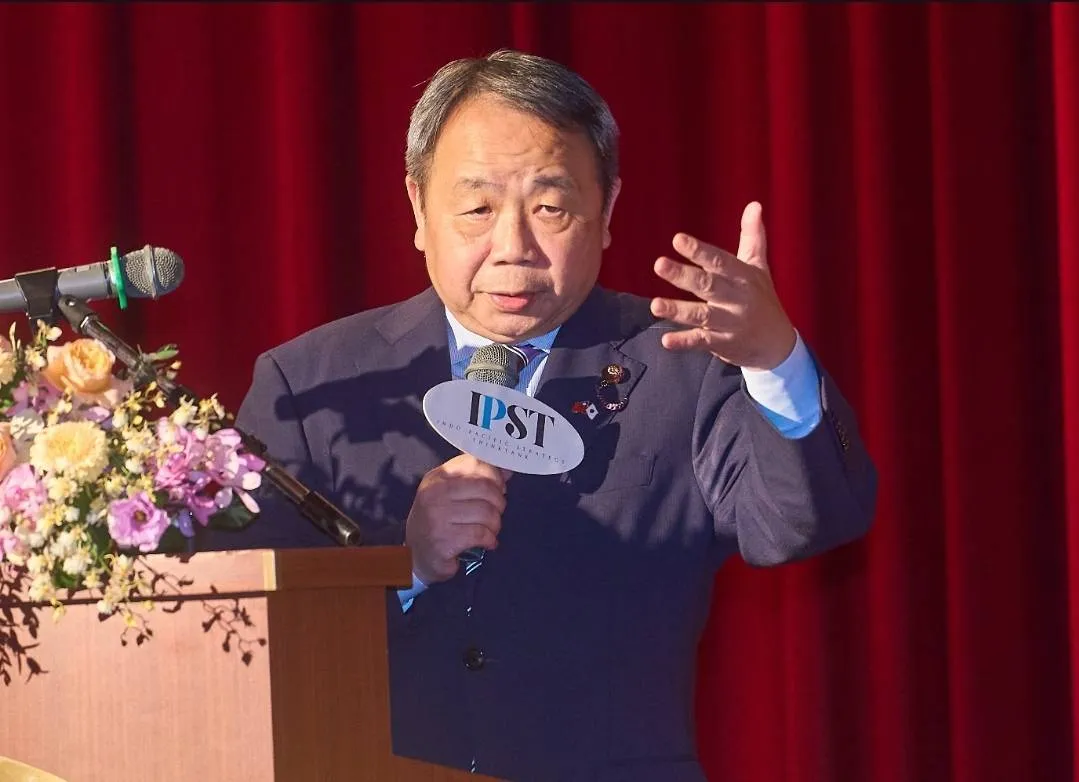
Seki said Japan and Taiwan face identical security threats and share a common fate on that front, bound together not only by shared democratic values but by a joint responsibility to protect the peace and security they currently enjoy. He said only genuine strength can truly defend freedom, independence and shared values, and stressed that building up defense capability is not about seeking conflict but about making sure any would-be aggressor understands the cost of using force, so that it chooses not to act rashly.
Beyond each side strengthening its own defenses, Seki argued that Japan and Taiwan should combine their strength more directly. He said the US-Japan alliance is still missing its Taiwan piece, and that the ideal security arrangement would bring Japan, the United States and Taiwan together into an "iron triangle," deepening cooperation among all three. Seki also backed the push for a Japanese version of the Taiwan Relations Act, saying this visit should go beyond routine friendly exchanges and move into concrete discussions on defense and security, gradually deepening Taiwan-Japan cooperation.
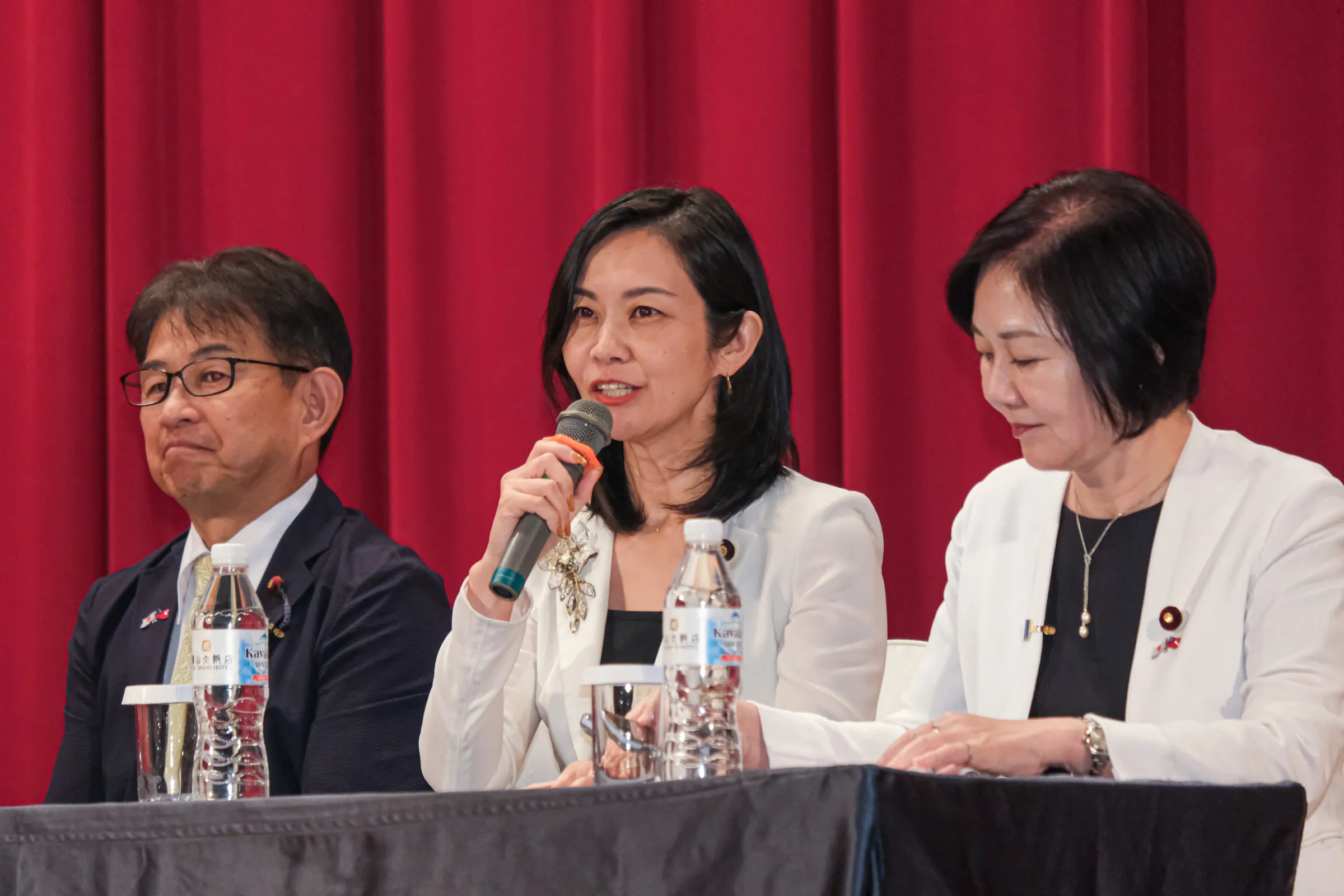
Forum Turns To Legal Gaps Defense Equipment And A Formal Security Dialogue
In the forum's second half, participants exchanged views on the institutional obstacles still standing in the way of deeper Taiwan-Japan security cooperation, including the lack of a clear legal basis for such ties, restrictions on defense equipment and technology transfers, and the absence of any formal government-to-government security dialogue between the two sides.
Kitamura and other Japanese lawmakers said pushing forward a Japanese version of the Taiwan Relations Act and Taiwan Travel Act could gradually build the institutional groundwork needed for high-level exchanges and security cooperation. Participants also discussed cooperation on countering Chinese cognitive warfare, undersea cable security, drones, and other dual-use technologies spanning military and civilian applications.
With Taiwan and Japan still lacking formal diplomatic relations, a central question running through the forum was how to build a more institutionalized security cooperation framework on top of existing civil society exchanges, industry cooperation and parliamentary diplomacy.