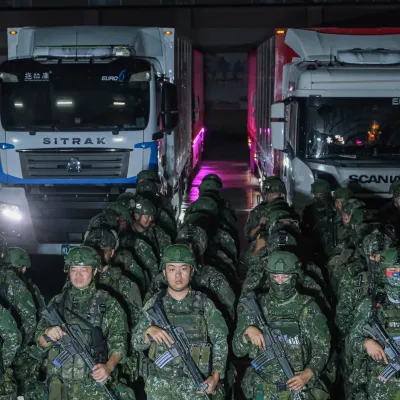
Taiwan's Ministry of National Defense has submitted its fiscal year 2027 budget request to the Legislative Yuan, and buried inside the Army's logistics and communications section is a line item that has drawn sharp questions from lawmakers and defense watchers alike. A contract worth roughly NT$1.44 billion for what the budget calls "vehicle mounted and container type missile systems" appears twice, once as a domestic manufacturing order and once as an identically priced foreign maintenance contract, raising suspicion that the numbers were padded rather than carefully calculated.
A Single Line In The Budget Book Raises Immediate Questions
Most new weapons programs in Taiwan's defense budget come with at least a short project description and a statement of expected outcomes. This one does not. The entire justification for the NT$1.44 billion manufacturing contract consists of a single line, twenty-six Chinese characters long, describing a "vehicle mounted and container type missile systems" order to be built by the Armaments Bureau's Production and Manufacturing Center. Divide the money by the character count and each character works out to roughly NT$55.38 million, an unusually opaque way to justify more than a billion dollars in public spending.
Adding to the confusion, the program sits inside the logistics and communications budget category rather than the general weapons and equipment budget where new missile systems are normally listed. People familiar with the matter say the project originated with the Army's Combat Training Department and carries a classified designation internally, which may explain the missing detail, but does not explain why it appears in a public budget document at all.
The Same Money Appears Twice Under Different Names
The total contract value is listed as NT$1,441,766,000, spread across fiscal years 2027 through 2031, with NT$407,938,000 budgeted for next year alone and assigned to the Armaments Bureau's Production and Manufacturing Center for domestic construction. Elsewhere in the same budget document, the Army has listed a separate line item for the exact same amount, covering the exact same fiscal years, but this time labeled a maintenance and repair contract for "vehicle mounted and container type missile systems" to be purchased abroad. That entry is priced in U.S. dollars, requiring $1,900,785 in the first year alone, equivalent to roughly NT$61 million.
In effect, the military has budgeted to build the system at home while simultaneously budgeting an identical sum to have it serviced overseas, mostly likely by American contractors, an arrangement that leaves the impression Taiwan can manufacture the launchers but cannot maintain them domestically. The fact that both figures match so precisely has fueled concern among observers that at least one of the two line items may be artificially inflated.
Defense Minister Wellington Koo Cites Asymmetric Warfare But Offers No Details
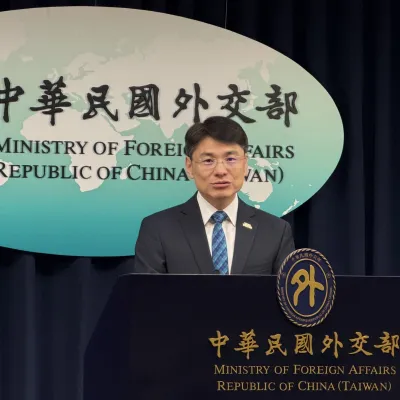
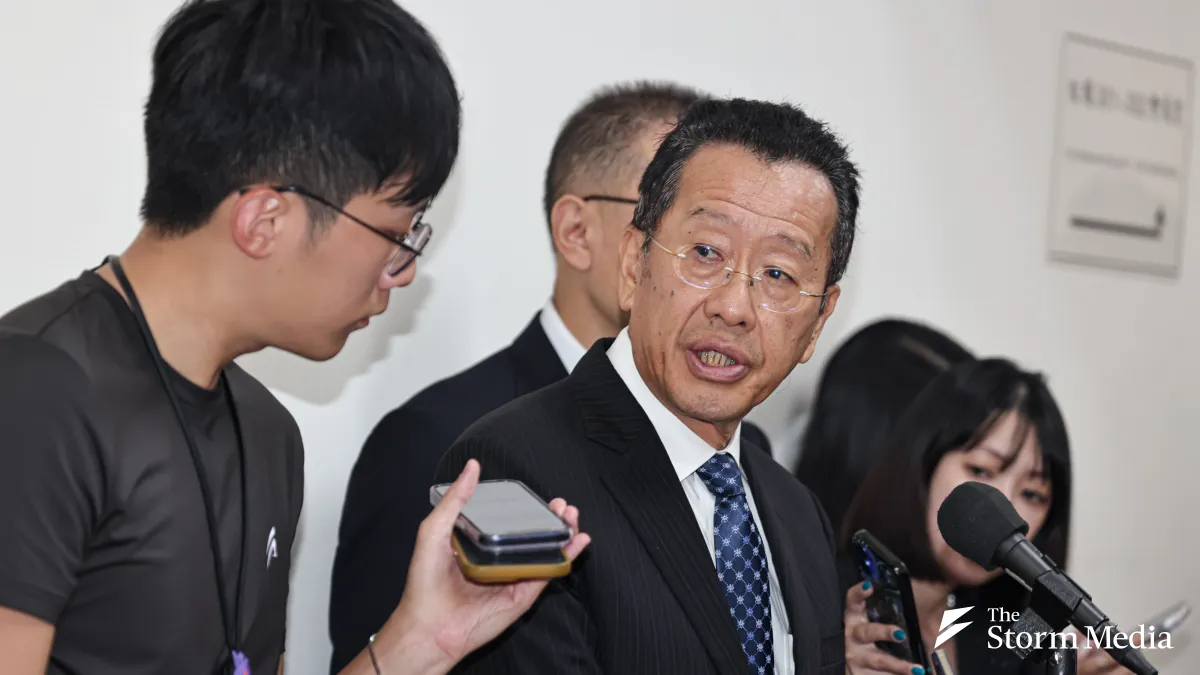
Asked directly about the Army's container based missile program, Defense Minister Wellington Koo said the ministry has been working hard to build up asymmetric combat capabilities, and described the project as part of that broader effort. He stopped short of explaining the duplicate budget lines or the classified status of the program, saying only that the relevant details could not be disclosed for the time being.
Classified Or Public The Ministry Faces A Difficult Choice
The contradiction leaves the ministry with an uncomfortable choice. If the program is genuinely sensitive enough to warrant a classified designation, defense analysts say it arguably should not appear in a public budget document in the first place. If it is not sensitive enough to justify secrecy, then the ministry owes lawmakers a clearer explanation than a single unexplained line item repeated under two different names. Either way, the vague wording is likely to make the request a harder sell when it reaches the Legislative Yuan for review.