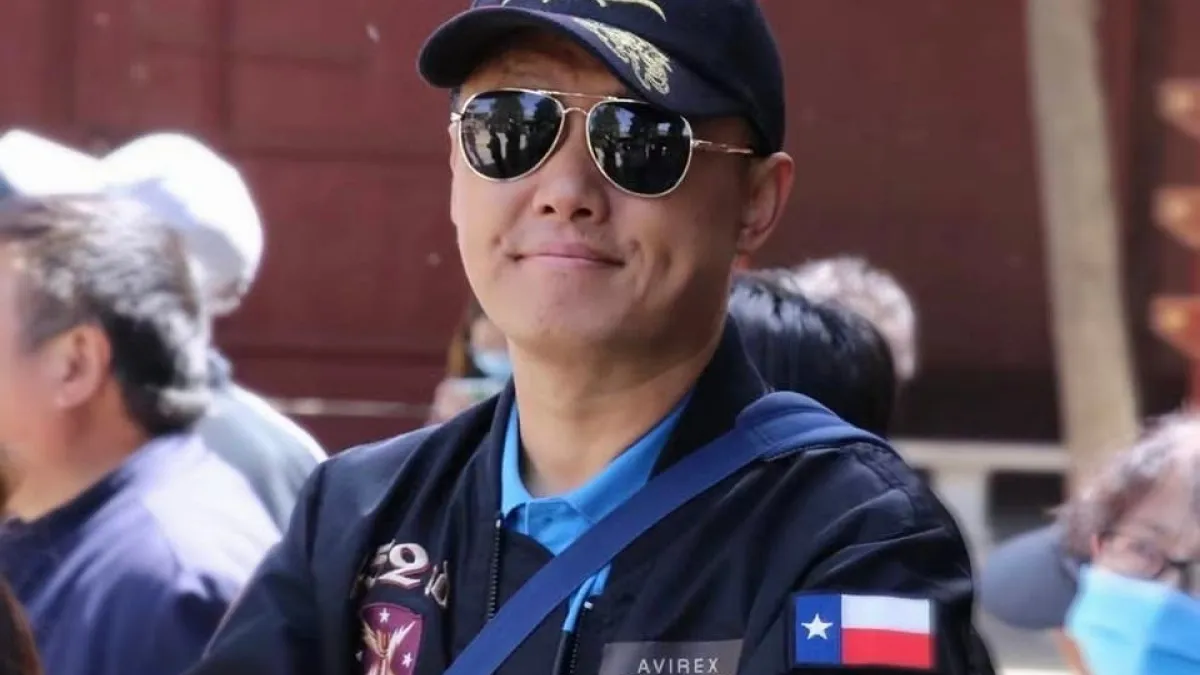
Two of China's most recognizable media personalities have quietly relocated to North America in the weeks before Beijing tightens control over who can leave the country, a departure that has turned into an unlikely barometer of anxiety among the country's chattering class.
Yuan Tengfei (袁騰飛), a former high school history teacher who built a nationwide following through viral lecture clips and appearances on state broadcaster CCTV, is reported to have moved to the United States in August. Liang Hongda (梁宏達), a television commentator popularly known by his nickname "Old Liang," has reportedly settled in Vancouver, Canada. Neither has publicly confirmed the details of a permanent move, but the timing has not gone unnoticed: China's new Regulations on Exit and Entry Administration take effect on September 15, and both men left the country beforehand.
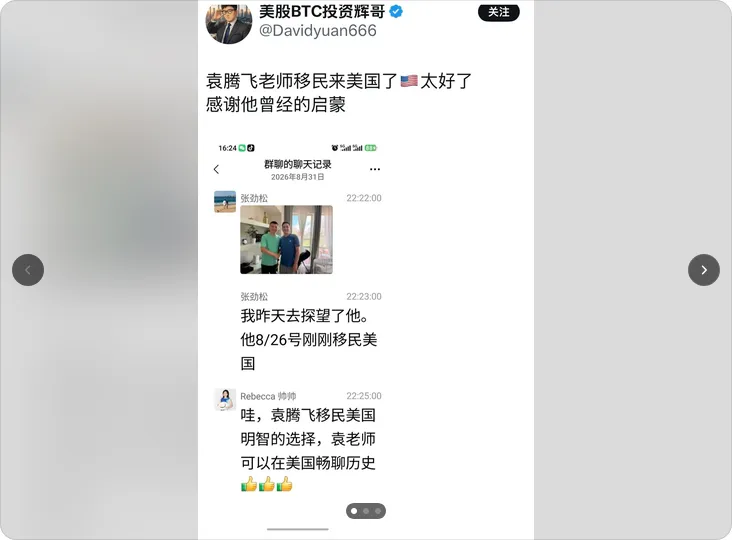
Leaving For America Is Nothing New But The Deadline Made It Urgent
Chinese celebrities and business figures moving their families abroad is hardly a novelty, but Yuan's own explanation for the move, posted in a lighthearted note on Facebook, focused on ordinary parental concerns rather than politics. He cited wanting a better school environment for his son and a quieter life with less traffic and noise. What made the post notable was less the reasoning than the timing, arriving just as speculation mounted online that a wave of well known figures were trying to get out ahead of tighter border rules.
Liang, for his part, has spent much of the past year building a footprint in North America through a touring lecture series billed as "Liang Zhi," which held its first stop in Vancouver in October last year and has added further dates in 2026. Taken together, the two men's moves have been read by Chinese internet users less as coincidence than as a signal that people with the means to leave are doing so while they still can.
Not Ordinary Influencers But Fixtures Of State Media
Part of what has fueled the online chatter is that neither man is a fringe figure. Yuan taught history in Beijing public schools before becoming a nationally known lecturer, appearing on CCTV's long running program "Lecture Room" and helping write high school history textbooks. He also contributed to drafting history questions for Beijing's college entrance examination, placing him squarely inside the system he has since left. Liang built his reputation over two decades as a sports and current affairs commentator on state and provincial television, becoming one of the most recognizable voices in Chinese broadcast media.
Their public intellectual status is precisely why their departures have resonated. Both men spent careers explaining China's history and its present to a mass domestic audience, on platforms closely tied to the state. Seeing two such fixtures relocate abroad, however quietly, has struck many observers as a small but telling data point about confidence levels even among people who benefited from proximity to official media.
Why The September 15 Deadline Became A Flashpoint
The looming regulations are what turned two personal relocations into a talking point. China's State Council has finalized rules that broaden the grounds on which authorities can bar someone from leaving the country, citing vague categories such as national security, industrial security and technological security. The rules also expand officials' authority to inspect travelers' devices and data at the border, and they allow exit restrictions to be imposed without notifying the person affected beforehand.
For ordinary citizens, the practical effect is that leaving China could become considerably harder to predict, with less recourse and less warning than under existing rules. That uncertainty appears to be what pushed some with the financial means and public profile to act before the deadline rather than risk being caught by criteria that remain deliberately undefined.
From Public Intellectuals To Celebrities Preparing A Second Life
The reaction online has not been uniformly sympathetic. One widely shared comment drew a sharp distinction between figures like Yuan and Liang, who work in commentary and entertainment, and someone like Liang Wenfeng, the founder of the artificial intelligence company DeepSeek, whose expertise sits at the center of technology Beijing considers strategically vital. The comment argued that while pundits and celebrities can slip out and start what amounts to a second life abroad, a person holding core technological know how would face a far tougher path to exit under the incoming rules, precisely the kind of scenario the new regulations appear designed to prevent.
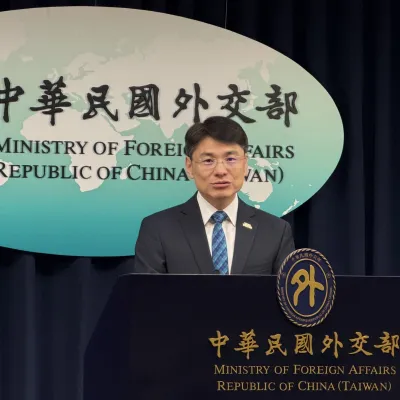
The episode has also drawn attention beyond China's borders. In Taiwan, National Security Council Secretary General Wu Chao-hsieh has publicly urged people planning to travel to China to weigh the risks carefully, part of a broader pattern of officials in Taipei flagging the tightening legal environment facing both Chinese citizens and foreign visitors. For now, Yuan and Liang's moves remain unconfirmed in their particulars, but the pattern they represent, well known figures quietly repositioning themselves abroad ahead of a hardening exit regime, has become its own story inside China's tightly watched online discourse. (Related: Red Dragnet|'Criticise Beijing and You're Anti-China': Inside the Self-Censorship of New Zealand's Chinese Community | Latest )