Yoshida Masako became toji — master brewer — of Yoshida Sake Brewery at 24. In Japan's sake world, the title raised eyebrows. Some doubted she was truly the one behind the fermentation. She answered simply: "I really am the one making it."
The Fukui Prefecture brewery she now runs, headquartered in Eiheiji-cho at the foot of Eiheiji Temple, was founded in 1806 and is entering its 220th year. The name on its flagship label — Hakuryu, or White Dragon — dates to the brewery's earliest days. On cold mornings, white mist rises from the Kuzuryu River and rolls through the valley like a dragon lying across the earth. The name has stayed ever since.
Yoshida had not expected to be the one carrying it forward. She was midway through an economics degree when her father's health declined and she was called back to Eiheiji-cho. Her path turned entirely toward sake — and toward a set of responsibilities that, in most Japanese sake houses, would have been held by two separate people.
When Owner and Brewer Became One
In Japan's traditional sake industry, the kuramoto — the brewery owner — and the toji — the master brewer — have long been distinct roles. The owner manages the business; the toji controls the fermentation and makes all technical decisions. Yoshida Sake Brewery once relied on outside toji networks to handle production. Under Yoshida Masako's generation, that division disappeared.
The consolidation matters beyond its organizational form. When the person running the business is also the one deciding what goes into the tank, she observed, the brewery's commercial direction and its creative vision can finally align. It was a quiet statement, but one that explains her significance more precisely than any age record.
Since 2018, the brewery has been reordering its identity under the name Eiheiji Hakuryu — placing the town's name directly inside the brand — while steadily accumulating recognition in Japan's domestic sake competitions. Yoshida does not frame any of this as a personal milestone. Her language, in public, turns reliably toward the water, the rice, and the brewery itself.
Two Breweries, Two Ways of Thinking About Time
Yoshida Sake Brewery now operates two facilities in parallel. The older Kitajima Kura preserves the classical brewing methods accumulated over generations. The newer Kimine Kura, opened in 2023 at a more mountainous position drawing water from the Hakusan mountain range, represents a different set of priorities: white-walled interiors, modern environmental controls managing temperature, humidity, airflow, and light so precisely that any contamination or anomaly becomes visible at a glance.
It looks scientific. But the approach echoes a principle left by her father: me ga todoku, te ga todoku, kokoro ga todoku sake-zukuri — sake made so that the eye can reach every corner of the process, the hand can touch what it needs to touch, and something of the brewer's intent arrives at the person drinking it. Kimine Kura is high-tech in its methods and deeply traditional in its intention.
Yoshida describes the two facilities plainly: one is "classical," one is "innovative." She did not sever the older kura. She let something new grow beside it.
Bringing Terroir Into the Sake Glass
When Yoshida discusses the land behind her sake, she reaches for a word borrowed from the wine world: terroir. She uses it without apology, and with a specific purpose — she wants the framework wine drinkers use to understand place and soil to become available to sake drinkers too.
The rice — Yamada Nishiki and Gohyakumangoku — is grown in Eiheiji-cho by the brewery itself and by contracted local farmers. The water comes from the snowmelt aquifer system beneath the Hakusan mountains. The soil carries volcanic ash and centuries of sediment deposited by the Kuzuryu River across the land. Two hundred and twenty years of brewing on the same ground is itself part of the terroir.
The sake released under Eiheiji Hakuryu arrives with names that make no prior demands on the drinker: Toast, Peak, Rich, Edge, Joy. No polishing ratios. No rice-variety terminology at the front door. The entry point is emotional; the technical story comes after, for those who want it.
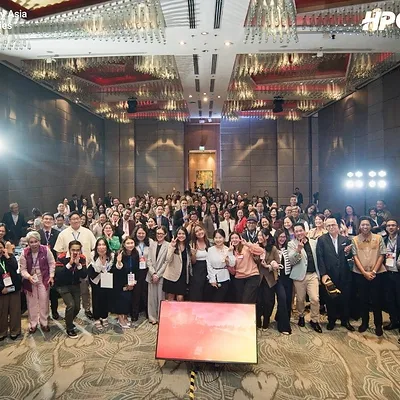
The sake poured at CRAFT SAKE WEEK 2026 in Taipei, Toast, opens with white grape sweetness and lactic brightness, settles into a texture reminiscent of fresh cream, and closes with a faint warmth of toasted bread that lingers longer than expected. It is the kind of sake that does not require explanation to enjoy — and does not preclude it either.
The Author Who Speaks Through the Work
Yoshida Masako rarely places herself at the center of her own story. When she mentions becoming toji at 24, she does not dwell on it. When someone brings up the fact that some in the industry still question whether she truly makes the sake herself, she acknowledges it calmly — and then adds, without particular emphasis: "I really am the one making it."
But the sake is specific in ways that only reflect a single, clearly held point of view. Where sweetness lands and how long it stays. When the acidity appears and how it moves. Whether the alcohol announces itself or recedes. How far each bottle travels toward tradition or modernity. What name it enters the market under, and how much a drinker needs to already know to find a way in.
These are not inherited defaults. They are decisions — and someone with a very clear editorial sense is making them. Yoshida's authorship lives in those choices. For anyone paying attention to the liquid in the glass, it speaks plainly.
Yoshida Sake Brewery keeps records of every generation's methods. Yoshida Masako has read her father's notes and can trace the decisions that shaped what she inherited. But the two kura running side by side, the Eiheiji Hakuryu branding, the English names, the vocabulary borrowed from wine — these are hers. The past is intact. Something new has grown beside it. She rarely announces that.
The sake already has.
Storm Media reminds readers to drink responsibly. Do not drink and drive.