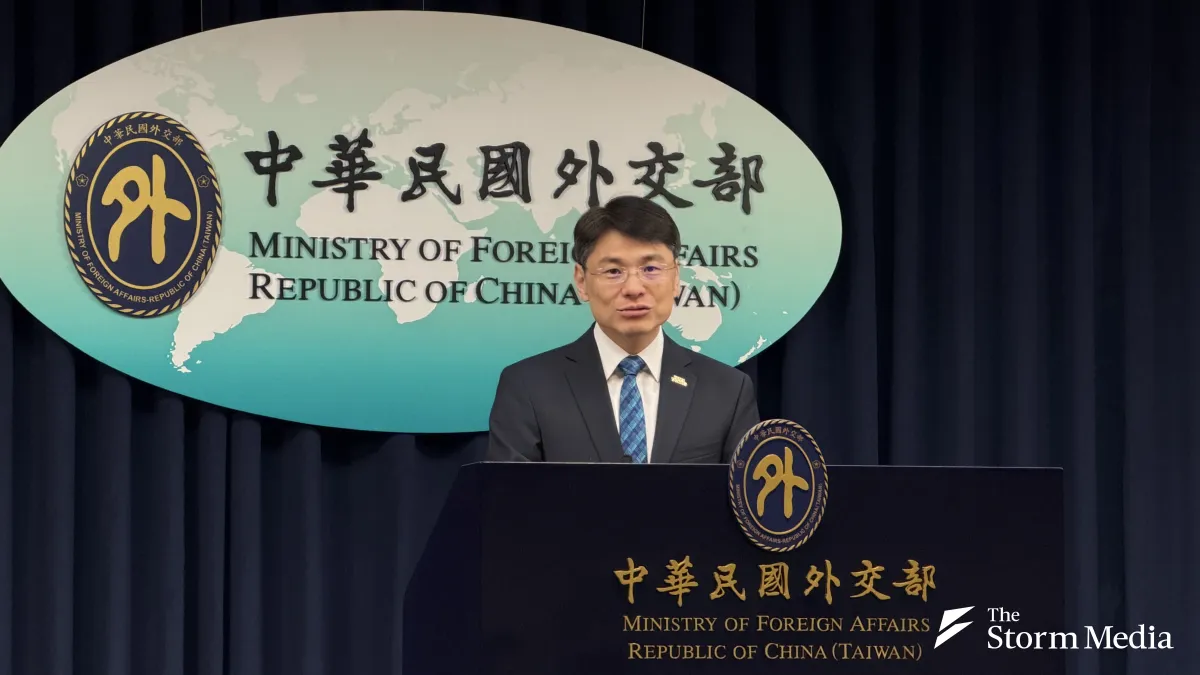
Taiwan's Ministry of Foreign Affairs warned Tuesday that Myanmar has enacted a sweeping new law imposing penalties as severe as death for online fraud, torture linked to scam compounds, and cryptocurrency crimes, with the law applying to foreign nationals as well as Myanmar citizens. Southeast Asia's scam compound problem has grown rampant in recent years, and the ministry said it had recently been notified that three Taiwanese nationals were arrested and charged by Myanmar law enforcement on suspicion of running online fraud operations inside the country. Ministry spokesperson Hsiao Kuang-wei said cracking down on cross-border telecom fraud has become a shared priority across Southeast Asia, and Taiwanese who gamble on getting away with it now risk standing trial in a foreign court.
Three Taiwanese Arrested In Myanmar Fraud Crackdown
Posts advertising high-paying jobs abroad continue to circulate widely on social media, and the ministry has issued repeated warnings this year urging caution. Storm Media has previously reported that while some of the Taiwanese who end up trapped in Southeast Asian scam compounds are genuine trafficking victims lured there under false pretenses, plenty of others go in fully aware of the risk, chasing the promise of quick money anyway. Taiwan's overseas missions in the region have been stretched thin working to rescue citizens caught up in these operations, only for some of the people they rescued to later attempt to defraud the government themselves, leaving the ministry footing the bill twice over.
A New Law With The Death Penalty On The Table
At the ministry's regular briefing Tuesday, Hsiao said Myanmar's government enacted its Anti-Cyber Fraud Law on July 31, marking the first time the country has set out severe criminal penalties specifically targeting online fraud, torture carried out inside scam compounds, and cryptocurrency-related crime, with a maximum sentence of death. Crucially, the law applies to foreign nationals, meaning Taiwanese caught running telecom scams in Myanmar going forward will face serious criminal liability rather than the lenient prosecution or simple deportation that was common in the past.
Thailand Tightens Rules For Illegal Workers After Prison Release
Hsiao also flagged new immigration enforcement measures in Thailand. Starting August 28, Thailand implemented its 2026 Prime Minister's Office Deportation Regulation, under which foreign nationals convicted of offenses carrying prison terms of five years or more, including illegal entry, overstaying a visa, working illegally, running an unlicensed business, or forging government documents, will be deported once they complete their sentence and may also be barred from re-entering the country.
A Shorter Visa Free Window For Thailand
Citing domestic security concerns, Thailand's government has also announced that starting September 15, the visa-free stay period for citizens of 60 countries, including Taiwan, will be cut from 60 days to 30 days. The ministry urged anyone planning to travel to Thailand to check the latest entry requirements before departing and to avoid using visa-free entry as cover for other illegal activity, warning that doing so risks enforcement action by Thai authorities.
Southeast Asia Is Cracking Down Taiwan Warns
Hsiao said the ministry has already updated its travel advisories on the Bureau of Consular Affairs website to reflect Thailand and Myanmar's latest enforcement measures targeting foreign nationals. He stressed that combating overseas telecom fraud has become a shared consensus across the region, with Southeast Asian countries in particular showing clear resolve to crack down on cross-border scam operations in order to keep foreign nationals' illegal activity from undermining local security.
Hsiao added that citizens who gamble on high pay, free flights or free lodging to take part in illegal activity abroad risk facing trial under a foreign country's own legal system. "Overseas is by no means a lawless zone," he said. "Wherever our citizens travel, they are obligated to obey local law, and we ask everyone to value the visa-free or visa-convenience treatment we have worked hard to secure, and to help protect our country's reputation as a whole."