After a viral video exposed vendors in China dipping napa cabbage in formaldehyde before shipping it nationwide, Taiwanese consumers have started asking an uncomfortable question: could the same tainted vegetables reach Taiwan by way of a third country. Their suspicion is not new. Taiwan's government warned back in April that Chinese produce was likely being relabeled as Vietnamese to dodge the island's import ban, and the latest scare has pushed both regulators and major retailers to respond again.
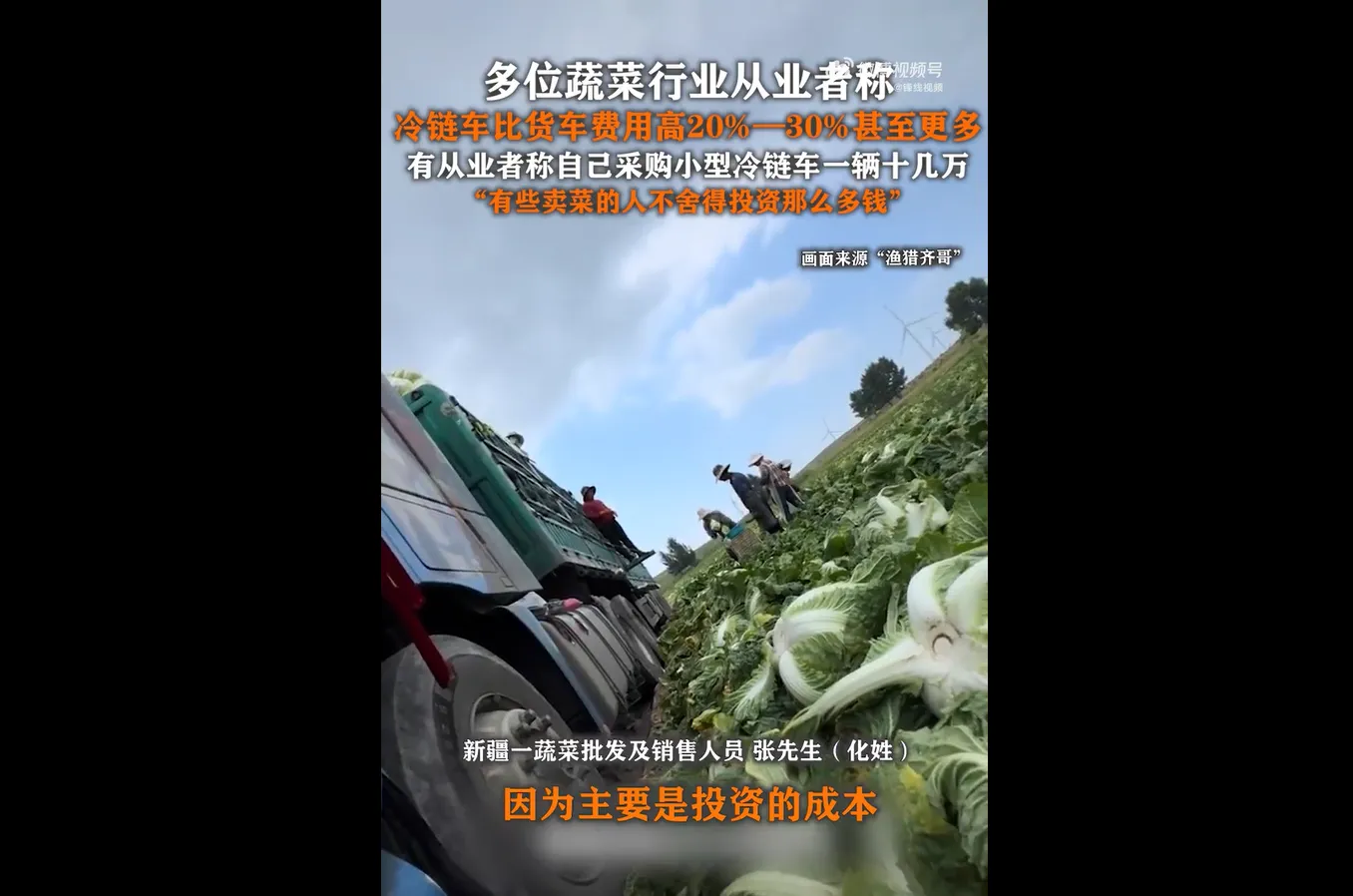
A Viral Video Exposes Chinas Latest Formaldehyde Cabbage Scandal
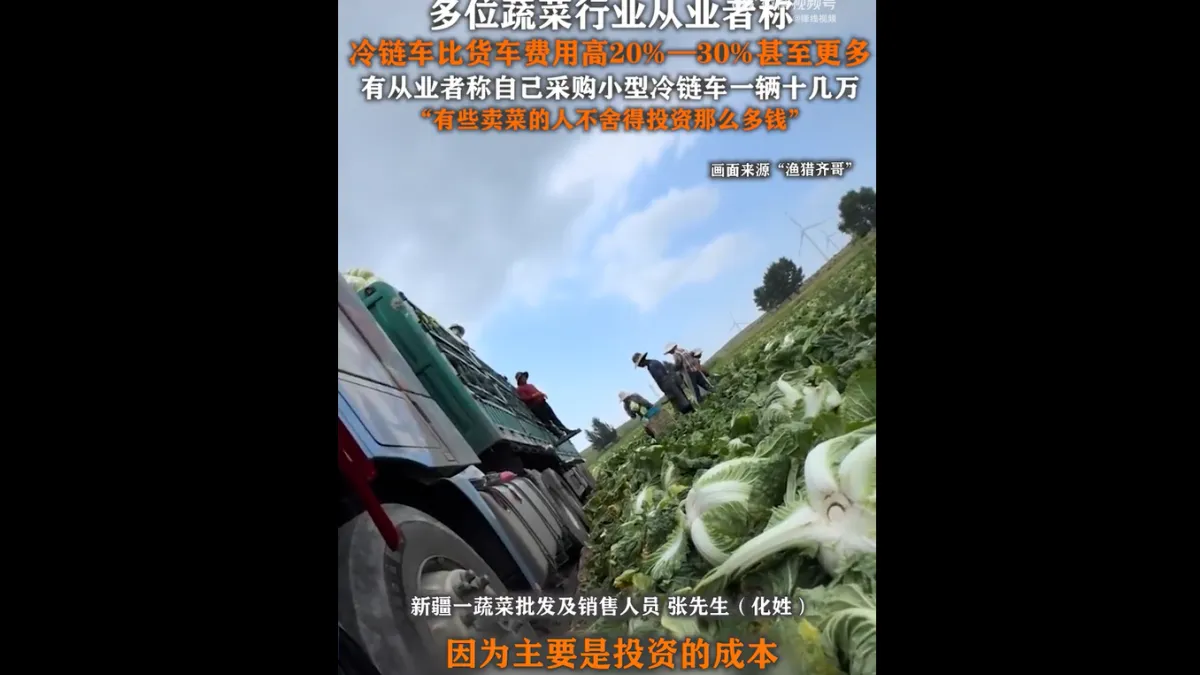
The scare began on August 22, when a video posted to Chinese social media showed produce buyers in Kangbao County, part of Hebei province's Zhangjiakou city, dipping freshly harvested napa cabbage in a solution containing formaldehyde before loading it onto trucks bound for wholesale markets around the country. The chemical, which the World Health Organization classifies as a Group 1 carcinogen, keeps vegetables looking fresh and slows spoilage over long hauls, but is explicitly banned from any use in food production under Chinese law. Local officials confirmed the same day that the footage was accurate, took what they called compulsory measures against the people and vehicles involved, and opened an investigation to trace how far the tainted cabbage had already traveled. State media weighed in forcefully as well, with the People's Daily's app calling the practice an egregious act that showed total disregard for consumer safety. It was not the first time the trick has surfaced in China: authorities caught vendors spraying cabbage with formaldehyde in Shandong back in 2012, leading to the seizure of more than 120 tons of tainted product in Guangzhou, and a similar case turned up in Hebei's Dingzhou market as recently as 2025.
A Suspiciously Long Lasting Cabbage Raises Alarms In Taiwan
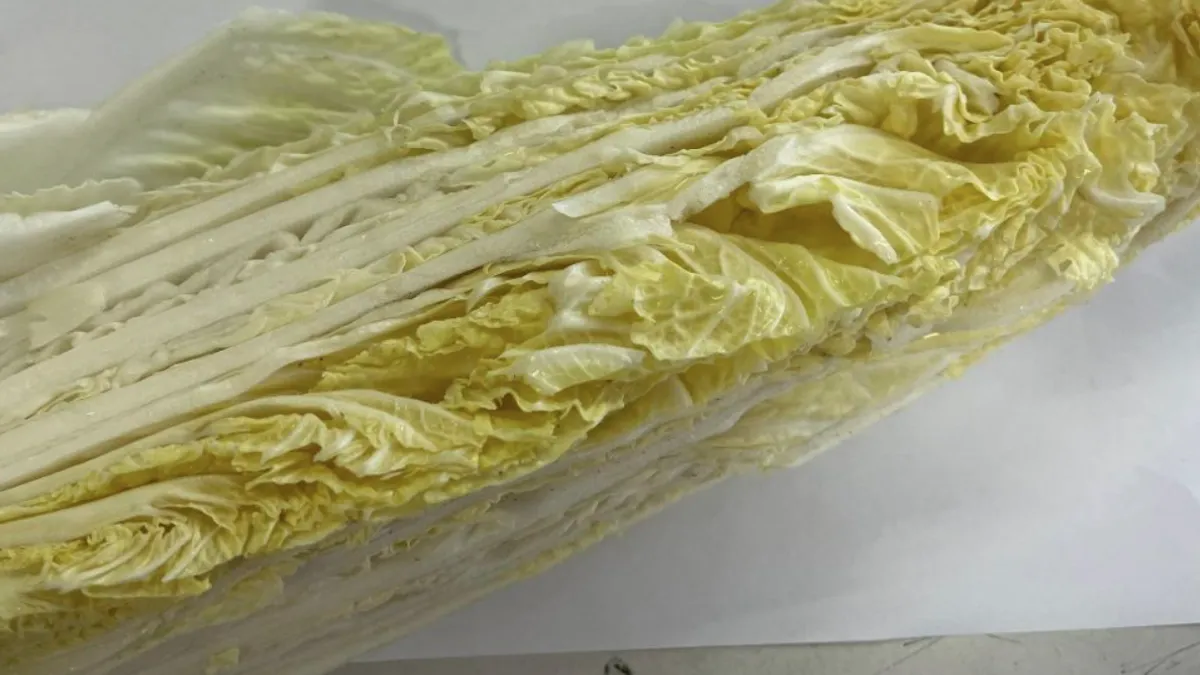
The scandal quickly crossed the strait in the public imagination. Taiwanese shoppers began comparing notes online after one consumer noticed that baby cabbage labeled as a product of Vietnam had sat in a refrigerator for three weeks without showing any sign of spoiling, fueling speculation that it may have been treated with formaldehyde or some other preservative and simply relabeled to get around Taiwan's ban on importing fresh or chilled Chinese cabbage. The worry did not stop at cabbage. Because much of the napa cabbage used to make kimchi in South Korea is itself sourced from China, some Taiwanese consumers also began asking whether kimchi sold locally under a Korean label could carry the same contamination risk, especially after South Korean authorities separately confirmed that some batches of kimchi made with tainted cabbage had entered that country's own market.
Taiwan Already Warned About Vietnam Relabeling Back In April
Concern over Chinese produce being laundered through Vietnam is not a new theory prompted by the cabbage scandal. Taiwan's government first raised the alarm publicly on April 30, accusing Chinese exporters of shipping vegetables, mainly napa cabbage and mushrooms, to Vietnam, repackaging them there and relabeling them as Vietnamese goods before sending them on to Taiwan, a workaround for the more than 1,000 Chinese agricultural and fishery products the island bans outright. Democratic Progressive Party legislator Chiu Yi-ying (邱議瑩) told lawmakers that Vietnamese certificates of origin could reportedly be purchased for around NT$13,000, or roughly US$410, allowing exporters to paper over a product's true source. Agriculture Minister Chen Chun-chi (陳駿季) responded by pledging tighter scrutiny of imports from Vietnam and other third countries, and said the ministry was considering aerial surveys of Vietnamese farmland to check whether reported production volumes were even plausible, along with third party isotope testing capable of verifying a shipment's true geographic origin.
Regulators And Retailers Move To Calm Shoppers
With the cabbage scandal reviving those April warnings, Taiwan's Food and Drug Administration said on the evening of August 27 that it was stepping up border inspections for formaldehyde in cabbage and kimchi products regardless of which country they are declared to come from, and would adjust its controls further depending on what the testing turns up. The agency also pointed to its own import records, known as the IFI system, which show zero inspection records for Chinese grown cabbage entering Taiwan between January 1 and August 25 of this year, and said the same system shows no import record for the specific South Korean kimchi product implicated in that country's own investigation. Major retailers moved quickly to reassure customers as well. Costco said its fresh produce is sourced and inspected in line with Taiwanese regulations and company quality standards, and noted that fresh or chilled Chinese cabbage is already barred from import regardless of the mainland scandal. PX Mart and its Da PX Mart stores said their imported produce comes with supplier inspection certificates and is subject to the chain's own periodic testing, while Prosperity Plaza and Uni-Prosperity, the rebranded former Carrefour hypermarket and supermarket chains, said their imported produce carries Food and Drug Administration import permits and undergoes spot checks before reaching shelves. (Related: China's Cabbage Is Soaked In A Cancer Causing Chemical And Shipped Nationwide | Latest )