China's delegation has withdrawn entirely from the 2026 Gwangju Biennale, just two days before its September 5 opening, after South Korean organizers restored the disputed "Taiwan Pavilion" name for Taiwan's national museum delegation, reigniting a monthlong tug of war over how Taiwan is labeled at an exhibition held in the birthplace of Korean democracy.
A Last Minute Walkout Over A Name
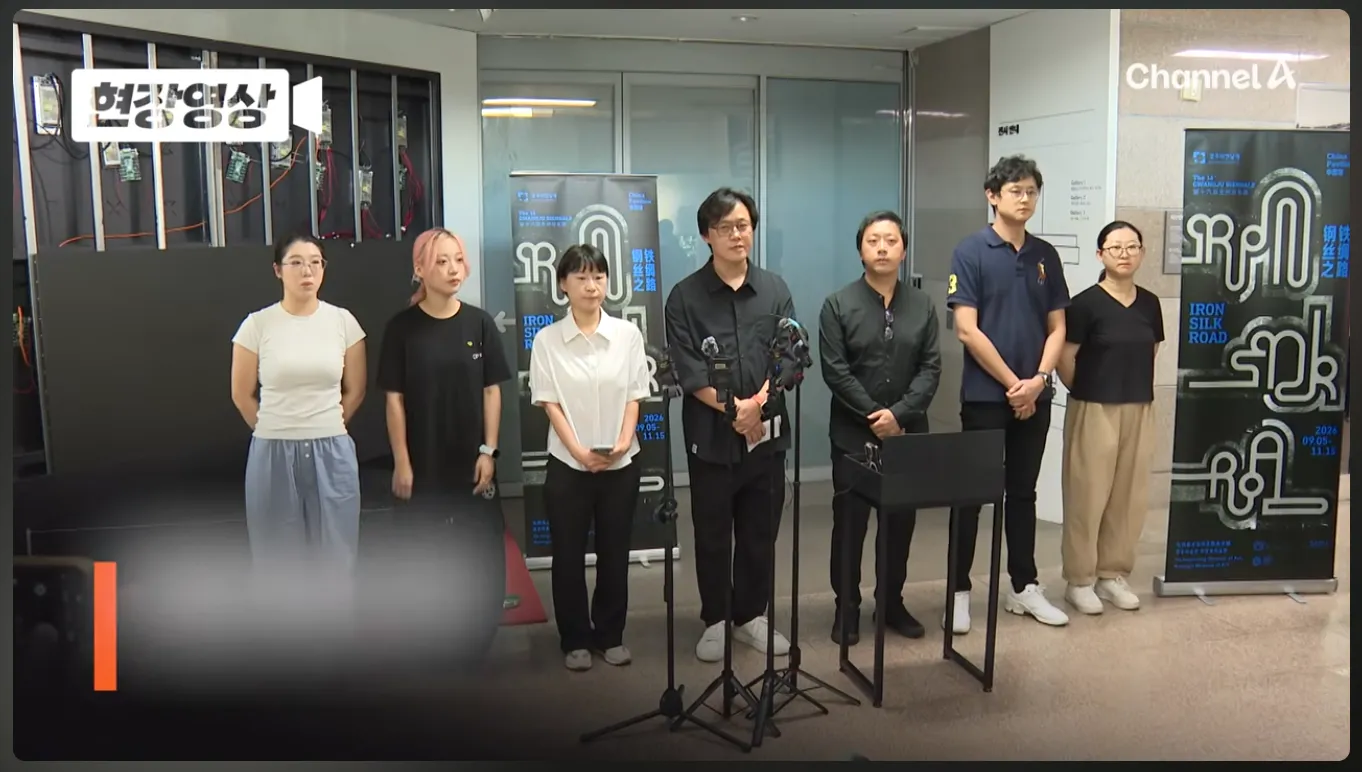
China's curator for the biennale, Ruan Yuelai, told reporters at a press conference at the museum, which reportedly lasted barely three minutes, that Chinese artists and institutions found the organizers' decision "unacceptable" and had unanimously chosen to withdraw as their strongest form of protest, halting all exhibition and installation work at Gwangju's Ha Jung-woong Museum of Art. "We place great importance on the Gwangju Biennale and have put in enormous effort preparing for it," Ruan said, "yet the organizers used an incorrect designation for Taiwan's participation, letting political factors invade the art world."
How A Naming Dispute Escalated In The Weeks Before Opening
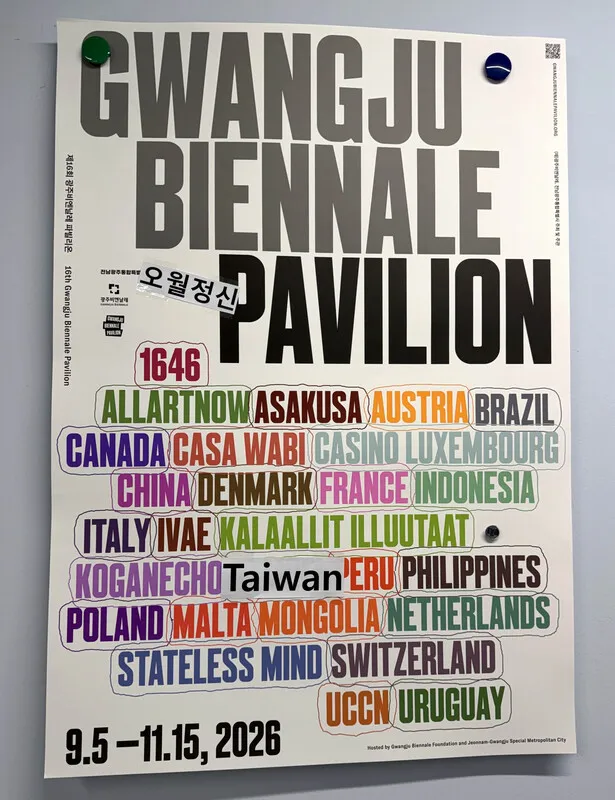
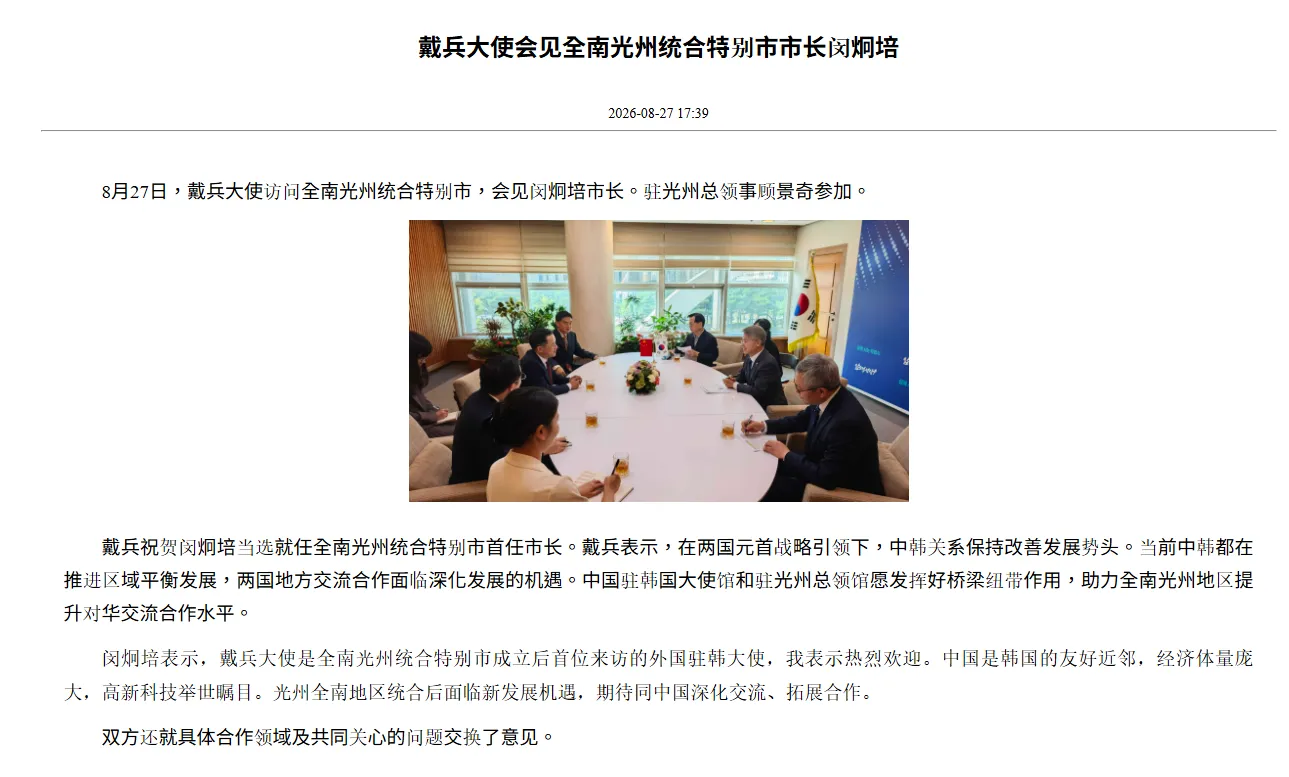
This year's biennale invited 16 countries and 11 professional institutions to take part. Taiwan's National Taiwan Museum of Fine Arts, representing Taiwan as an institution rather than a national delegation, was initially approved to exhibit under the name "Taiwan Pavilion," before organizers quietly switched the designation to "NTMoFA Pavilion" starting in June, prompting strong protests from Taiwan and accusations from local Korean art groups that the move amounted to self censorship. Facing mounting public pressure, the Gwangju Biennale Foundation reversed course on August 25 and restored the "Taiwan Pavilion" name. Gwangju's mayor, Min Hyung-bae, backed that decision the next day, telling reporters on August 26 that "political and administrative power should not interfere in the realm of art." China's side responded quickly: its ambassador to South Korea traveled to Gwangju on August 27 to lodge a protest, Chinese artists began pulling out of the exhibition by August 28, and China's delegation formally announced its full withdrawal at the September 3 press conference, two days before the biennale's opening.
Why Gwangju Is Known As Koreas Democracy Holy Land
The intensity of the dispute is tied closely to Gwangju's own history. The city was the site of South Korea's May 18 Democratic Uprising in 1980, when residents rose up against a military crackdown that followed the imposition of martial law under General Chun Doo-hwan, and paid for it with hundreds of lives as troops moved in to suppress the protests. The uprising is now widely regarded as a turning point that helped push South Korea toward full democratization in 1987, and Gwangju has since become known nationally as the birthplace of Korean democracy, with records from the uprising inscribed on UNESCO's Memory of the World register. Mayor Min's remark about keeping politics out of art was widely read in Taiwan as an implicit rebuff of Beijing's pressure campaign, precisely because it came from the leader of a city that sees resistance to authoritarian interference as part of its own identity. After the Taiwan Pavilion name was restored, Taiwan's Minister of Culture, Li Yuan, thanked Gwangju for standing by what he called the "Gwangju spirit" of resisting authoritarianism in the pursuit of freedom and democracy, recalling that he personally witnessed South Korea's June 1987 democratic struggle.
Local Artists Rally Behind The Taiwan Name
The dispute drew visible support from Gwangju's own art community. After the foundation briefly rebranded the exhibit as "NTMoFA Pavilion," local artists' groups pushed back publicly, at one point covering over an "NTMoFA" sign at a Gwangju venue with stickers reading "Taiwan" in a show of solidarity with Taiwan's delegation.
Beijing's Embassy Pressures Gwangju City Government
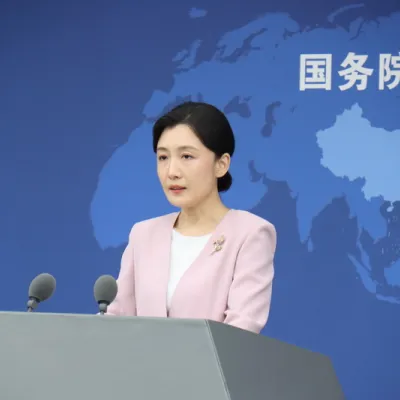
China's embassy in Seoul issued a statement backing its delegation's withdrawal, saying that allowing the "Taiwan Pavilion" name violated the "one China" principle that it says the South Korean government has committed to uphold. The embassy said it and China's consulate general in Gwangju had repeatedly raised the issue with the Gwangju city government and the Gwangju Biennale Foundation but had not received what it called "proper handling." Chinese Ambassador Dai Bing personally met South Korean foreign ministry officials to lodge the same protest over the pavilion's name.
Seoul Rejects Beijing's Interference
The response from Korean authorities came in two parts. Gwangju's city government said on August 31 that it respects Beijing's "one China" position, even as it left the restored "Taiwan Pavilion" name in place. South Korea's foreign ministry, for its part, said separately that it regretted the situation but firmly rejected any suggestion that the central government should intervene, stressing that the Gwangju Biennale is an independent event run by a private foundation rather than a state institution. With China's delegation now sitting out the exhibition entirely, the naming dispute leaves the Gwangju Biennale opening this week under the same kind of political spotlight that has followed Taiwan's participation in international forums for years. (Related: South Korea Called Taiwan "China." Now Taiwan Is Calling It "South Korea." | Latest )