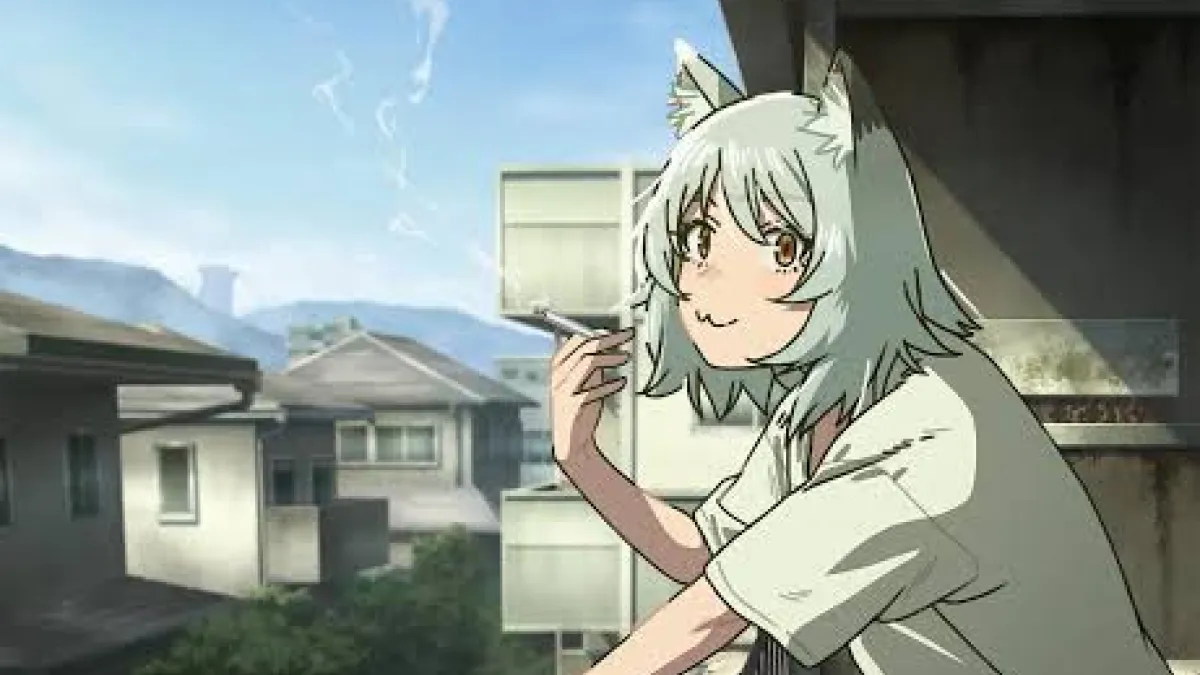
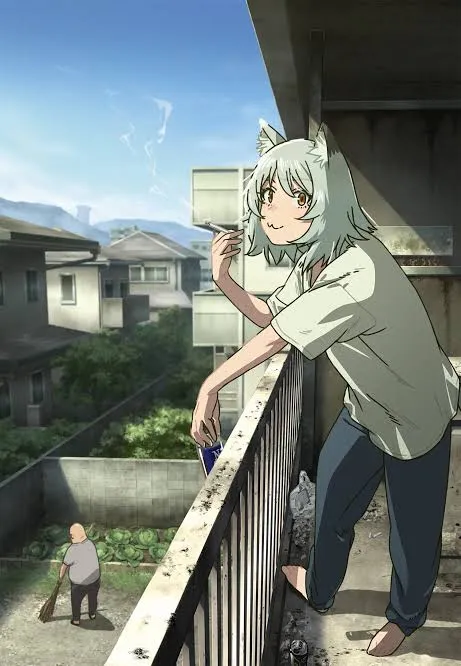
A Japanese anime about a chain smoking cat has turned into an unlikely fight over tobacco regulation, creative freedom and streaming platform accountability in Taiwan. Since late August, health authorities have pushed to have repeated close up shots of real cigarette brands removed or blurred from "Chainsmoker Cat," a PG-15, late night Japanese series that several Taiwanese platforms pulled entirely, while Netflix has kept releasing new episodes without the changes regulators are demanding.
A Chain Smoking Cat Draws A Formal Complaint
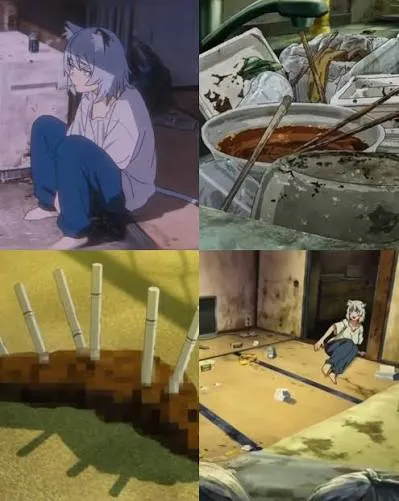
"Chainsmoker Cat" follows an anthropomorphic cat character with a heavy smoking habit, and its frequent, unobscured shots of identifiable cigarette packaging quickly caught the attention of Taiwan's anti-smoking advocates. The John Tung Foundation filed a formal complaint, prompting a review by the Ministry of Health and Welfare. Minister Shih Chung-liang told reporters on August 21 that "the series indeed does not comply with the regulations," pointing to multiple close up shots of cigarette brands that were not blurred and smoking scenes that lacked the health warnings Taiwan's Tobacco Hazards Prevention Act requires. Under the law, distributors found in violation can face fines of up to NT$1 million, roughly US$31,700.
Streaming Platforms Split Between Compliance And Holding Out
Local platforms including Bahamut Animation Crazy and Ani-One Asia pulled the series from their lineups following the complaint and the ministry's review. Netflix, which had been releasing the series weekly and uncut as part of a global simulcast, did not follow suit, continuing to stream new episodes with the same unblurred tobacco imagery regulators had flagged. Part of the delay traces back to Netflix's own internal process: changes to the platform's content in Taiwan require sign off from the company's headquarters in the United States, slowing down any response to local regulatory pressure.
A Creative Rights Group Pushes Back On The Removal
The removals did not sit well with everyone in Taiwan's anime community. The ACGN Creative Rights Association protested the platforms' decision to pull the series, arguing the move "contravenes the principle of proportionality and stifles creative expression," and noting that platforms had removed the show under the threat of penalties before any investigation had actually concluded. "Opposing harmful tobacco effects does not mean opposing artistic portrayals of those effects," the group said, with some fans arguing the character's visible struggle with addiction functions as anti-smoking messaging rather than promotion. Supporters of the crackdown counter that repeatedly showing a specific, identifiable cigarette brand in close up is different from simply depicting a character smoking, and worry that leaving such scenes unaltered could normalize tobacco brands for younger viewers or invite similar content to slip through under the same reasoning.
Health Authorities Keep The Pressure On Netflix
With Netflix continuing to stream the unaltered episodes, Taiwan's health authorities have kept pressing the company directly. The Hsinchu City Health Bureau issued a formal notice to Netflix on August 25 demanding that it obscure clearly identifiable tobacco brands and add health warnings to smoking scenes, and officials met with Netflix representatives on August 31 to check on its progress. At a press conference on September 1, Health Promotion Administration Director-General Shen Ching-fen said the agency would "actively continue liaison" with the company and hoped Netflix would "promptly obscure clearly identifiable tobacco brands," stressing the need to minimize the potential impact on young viewers and consumers more broadly. (Related: Taiwan Considers A Lifetime Smoking Ban For Everyone Born After 2009 | Latest )
The Numbers Behind Taiwan's Concern Over Youth Smoking
The dispute over one anime series sits against a broader backdrop of concern about nicotine use among Taiwanese teenagers. A 2026 youth smoking survey cited by the Health Promotion Administration found that 5.1 percent of high school students use e-cigarettes, or roughly 40,000 young people, while another 1.8 percent use heated tobacco products. The agency has pointed to a free, confidential smoking cessation hotline as one of the resources available to young people, and has emphasized that what teenagers need is accurate information and support rather than judgment. For now, the fate of "Chainsmoker Cat" in Taiwan remains a test case for how far streaming platforms, and their headquarters overseas, are willing to go to satisfy local tobacco control rules once a show has already found a global audience.