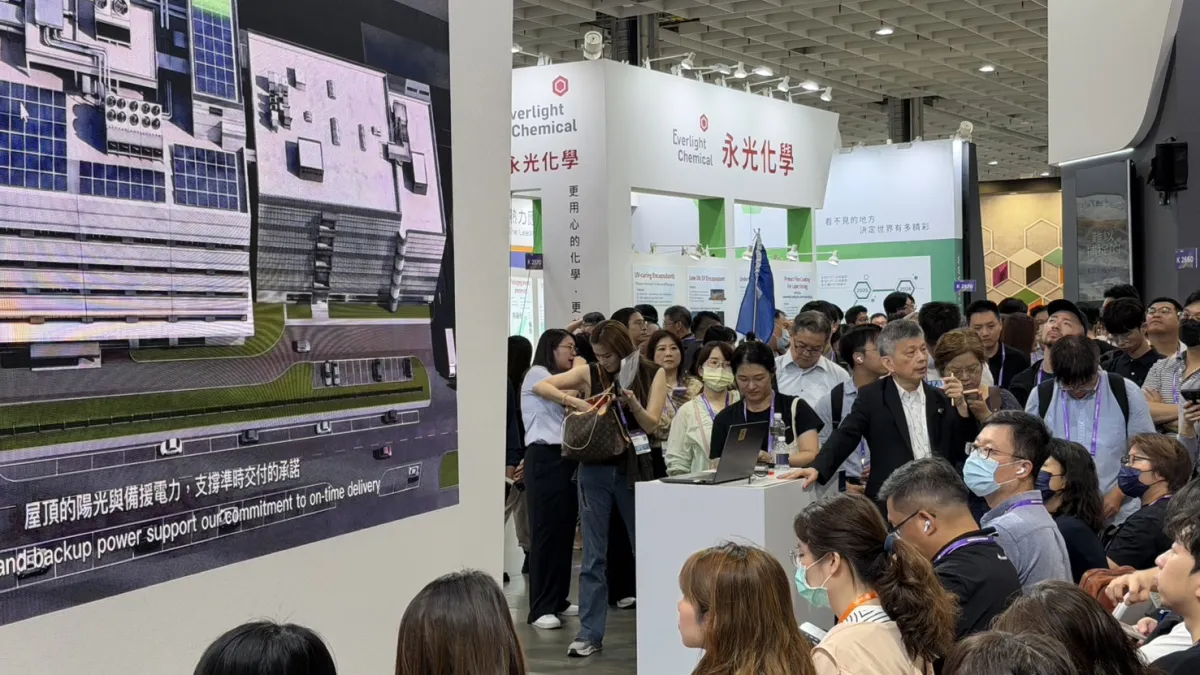
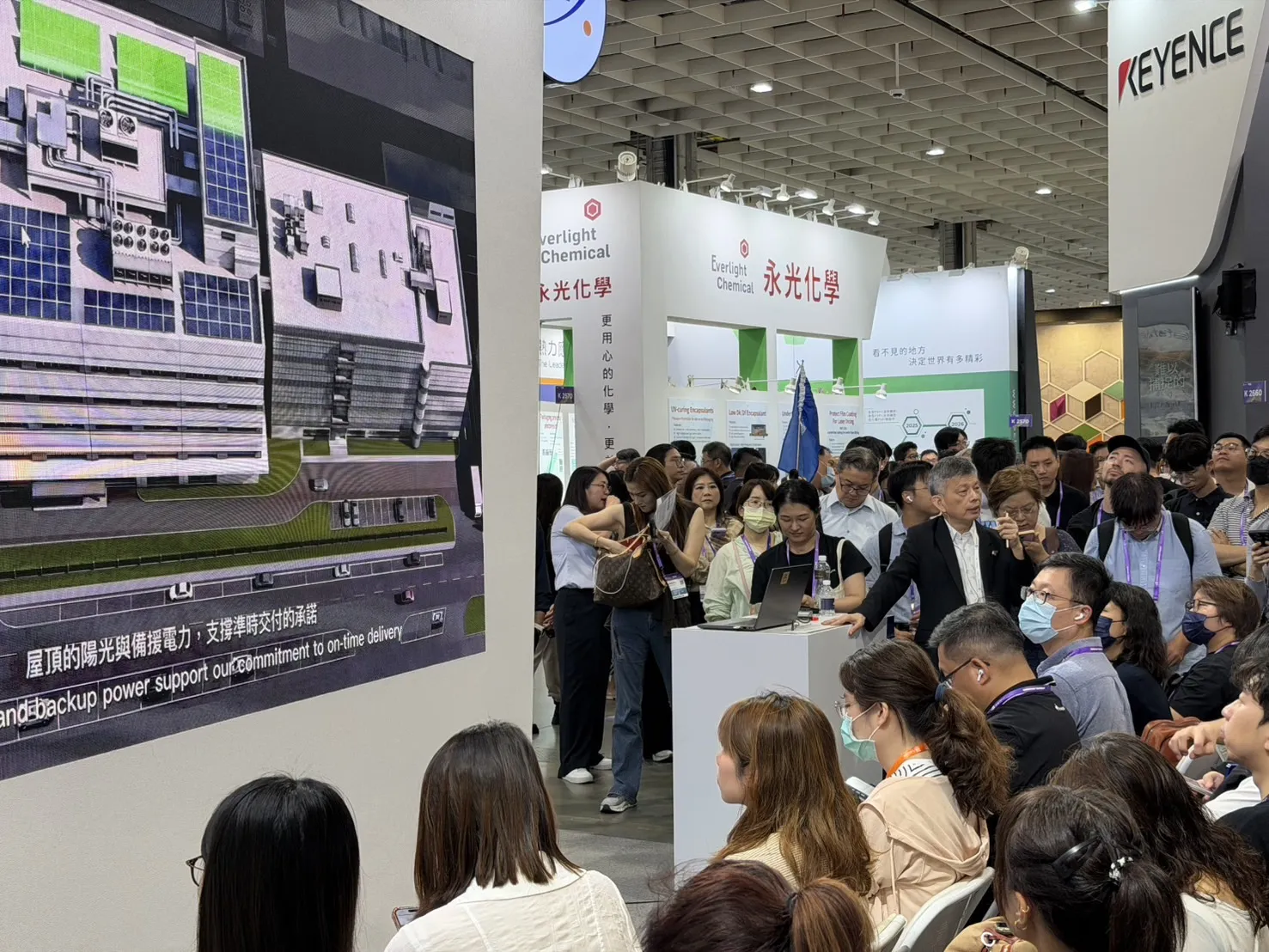
Rising AI chip performance is pushing pin count, power consumption and thermal management to the center of a new set of challenges in semiconductor testing. Chunghwa Precision Test Technology (中華精測) showcased a lineup of AI and high performance computing test interface solutions at SEMICON Taiwan 2026 on September 2, where general manager Huang Shui-ko unveiled the company's newest addition, an AI agent system called Agent P, short for Agent Precision. The platform folds more than two decades of the company's accumulated engineering knowledge into an AI system, cutting simulation calculations that once took hours down to minutes, or in some cases seconds.
Rising Pin Counts And Power Draw Create Three New Testing Challenges
As AI, high performance computing and advanced packaging processes evolve, chip designs are growing more complex, with pin counts and power consumption climbing together and pushing up the difficulty of testing. Test interfaces now have to manage high speed signal integrity and large current supply while also handling thermal performance, measurement accuracy at extreme temperatures, and the durability and consistency required for large scale production.
As power consumption in AI ASICs and high performance computing chips keeps climbing, test equipment has to simulate long stretches of high load, high temperature operation to catch reliability problems before they reach customers, while rising pin counts test a probe card's contact precision, high speed signal transmission and current carrying capacity all at once. Chunghwa Precision Test's new AI probe card, aimed at high performance computing chips, can test up to 48,000 pins simultaneously and supports testing under high current and extreme temperature conditions to verify chip quality and stability across different operating states. A second product, a high pin count probe card built for 65,000 pins, combines high current and high speed signal testing so multiple checks can run in a single pass, shortening mass production test time, while withstanding hundreds of thousands of test cycles to meet the durability and consistency demands of large volume manufacturing.
A High Power Burn In Board Simulates Sustained Heavy Loads
For power hungry chips such as AI ASICs, Chunghwa Precision Test also displayed a high power burn in board capable of supporting tests up to 1,000 watts, simulating the kind of prolonged, high load operation chips face in extreme use conditions in order to flag potential reliability problems early. The company said the board uses a modular design and reinforced thermal structure aimed at keeping test results stable under high power and high temperature conditions. As AI accelerators and custom chips draw ever more power, burn in testing increasingly has to confirm not just whether a chip functions, but whether performance degrades, signals turn erratic or failures emerge after sustained periods under heavy load.
The lineup on display also included memory probe cards, rounding out a test interface portfolio that spans wafer level vertical probe cards, high power burn in boards, IC load boards and system level test boards, covering everything from wafer stage electrical testing through burn in and system level verification.
Agent P Puts Two Decades Of Engineering Knowledge Behind A Voice Command
Alongside the hardware upgrades, Agent P was the other centerpiece of Chunghwa Precision Test's showing. The system integrates more than 20 years of the company's accumulated engineering knowledge, letting users call up its corporate knowledge base through voice commands, after which the AI runs simulations and analysis based on historical engineering data to help engineers narrow down feasible solutions faster. The company said Agent P can compress simulation calculations that once took hours into a process lasting minutes or even seconds. Facing technical problems involving high frequency signals, large currents and thermal management, the platform also supports real time collaboration between remote teams and frontline engineers, cutting down the time different departments spend repeatedly confirming data and rerunning calculations.
Agent P's use is not limited to engineering design. Chunghwa Precision Test said the platform can also simulate different risk scenarios spanning product design through procurement, helping teams assess the potential impact of supply chain disruptions before they happen and informing procurement and production decisions.
Every Verification Feeds Back Into The System, Narrowing The Knowledge Gap
Chunghwa Precision Test frames Agent P as a self developed AI agent platform built under what it calls an "AI in house" strategy, in which data generated by every engineering verification feeds back into the system, gradually expanding the company's internal engineering knowledge base. "Every verification's data gets fed back into the system," the company said, allowing Agent P to keep accumulating reusable analytical experience as usage and the number of engineering cases grow. Beyond boosting efficiency, the design is meant to preserve institutional knowledge, converting judgment once locked inside senior engineers' individual experience into a corporate asset that can be stored, searched and reused.
For the semiconductor test industry, where products are highly customized and engineering expertise takes years to build, shortening the learning curve for new hires and narrowing the knowledge gap left behind when veteran staff move on has become a key reason companies are turning to AI. Chunghwa Precision Test's rollout of Agent P also signals that competition among test interface makers is expanding beyond the raw hardware performance of probe cards and test boards into engineering data, design efficiency and supply chain decision making. (Related: Chunghwa Precision Test Prepares to Open Third Plant Amid AI Chip Boom | Latest )