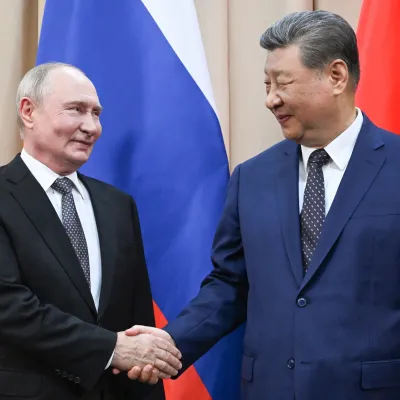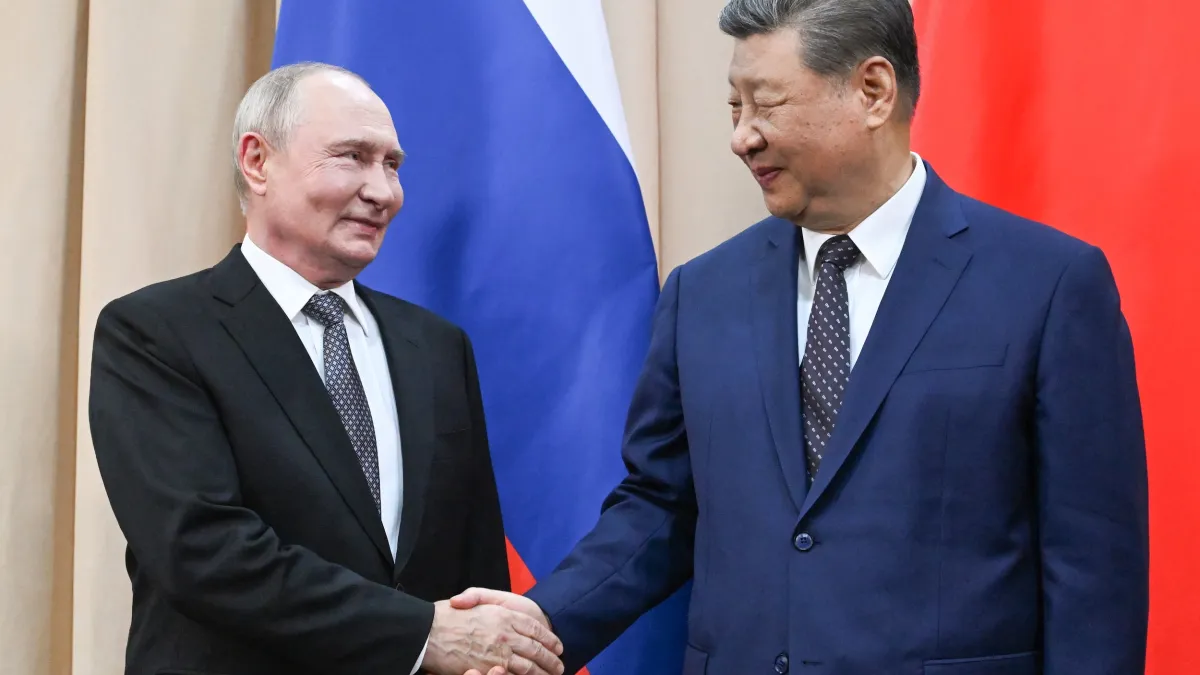
Taiwan's national security agencies say they have identified a new pattern along the First Island Chain: Beijing and Moscow appear to have reached an understanding to cooperate with each other across the region, including pooling their information resources and distribution channels to amplify and spread selected narratives for maximum effect.
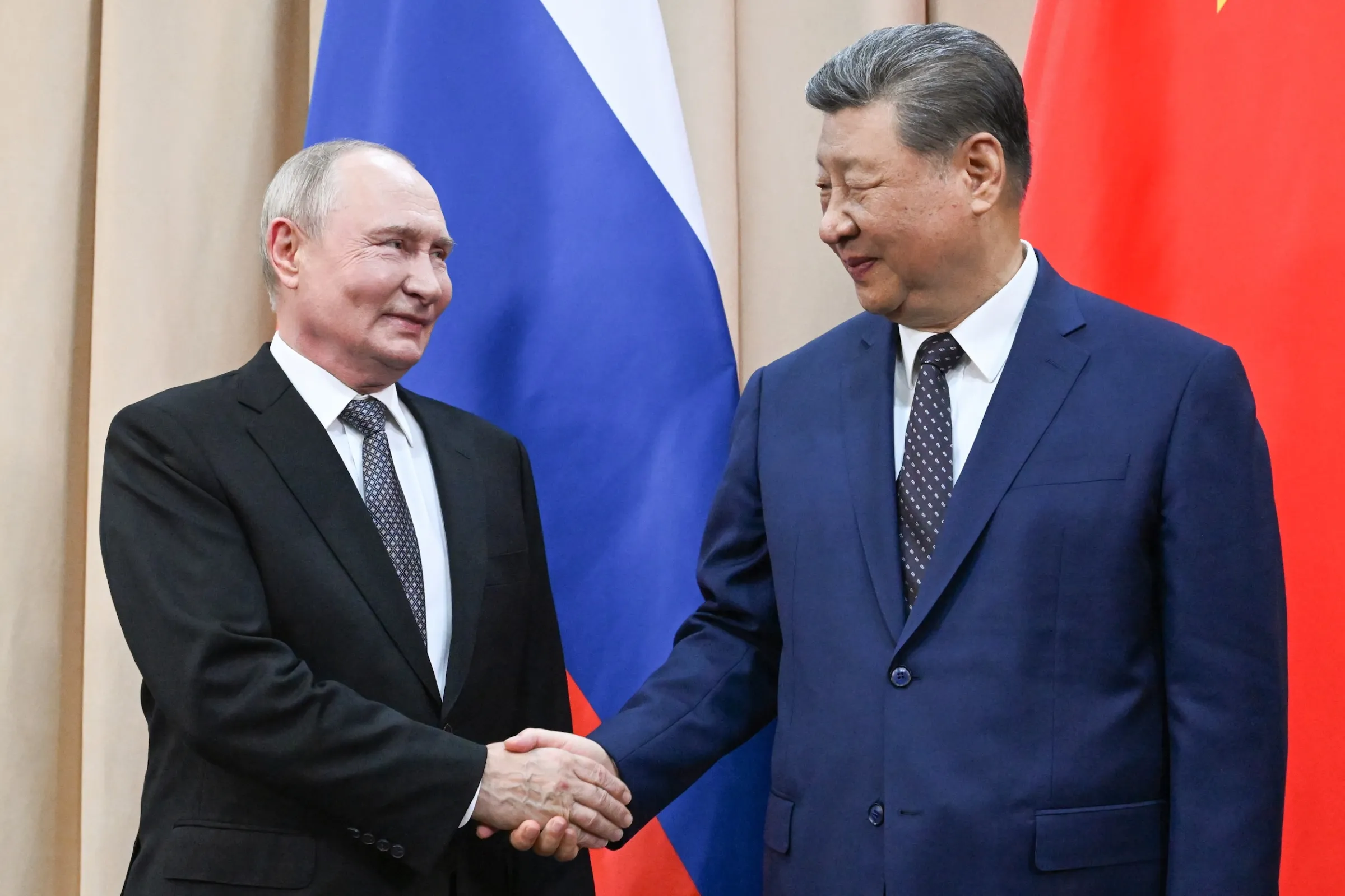
Borrowing Each Other's Media To Amplify The Same Message
According to a national security official, China and Russia have each been using their own local resources and affiliated organizations to assist the other's cognitive warfare operations. The official pointed to Japan as an example: whatever narrative Beijing wants amplified, such as unfavorable coverage of Prime Minister Sanae Takaichi, Russian media outlets and their affiliated online networks have moved to help spread it, particularly around elections and politically sensitive messaging.
Russian Outlets Have Already Been Seen Echoing Chinese Messaging
The official said Taiwan has already observed instances of Russian media echoing Chinese narratives aimed at overseas audiences. Taiwan's security agencies are now watching closely for signs that Beijing and Moscow might similarly deploy their networks, affiliated organizations or state media apparatus in a coordinated cognitive warfare campaign targeting Taiwan specific issues.
A Monument At Mena House Aims To Cement China's Cairo Declaration Claim
The official also disclosed that Chinese leader Xi Jinping plans to unveil a monument in Egypt, outside the Mena House Hotel where the Cairo Declaration was signed in 1943. According to the official, the monument's inscription reads that it commemorates the site where the Cairo Declaration was reached, and states that Taiwan's return to China was an important part of the outcome of the Allied victory in World War II and of the postwar international order.
Officials Say The Historical And Legal Basis Remains Thin
Taiwan's national security official characterized the monument as part of a broader campaign by Beijing to exhaust every available avenue for building an international historical and legal case that Taiwan is an inalienable part of Chinese territory. The official argued, however, that no wartime document actually settles Taiwan's political status, and said Beijing's attempt to cement its claim through a monument inscription is unlikely to hold up as a matter of law. (Related: ASPI Warns China Could Use Russian Decline to Outflank Island Chain | Latest )